How to Maintain Your Pool Year-Round in Florida
Keeping your pool in top shape in Florida isn't just a summer job. With warm temperatures, humidity, heavy rain, and coastal winds, your pool needs attention all year round. If you want your pool to be clean, safe, and inviting, you’ll need a maintenance plan that fits Florida’s unique climate. This guide will show you what to focus on, how to prevent common problems, and when it might be time to call in professional pool cleaning or a full pool service plan.
Florida has over 1.8 million residential pools, so it's no surprise that year-round care is crucial. In places like Treasure Island, extra exposure to salt, wind, and debris makes maintenance even more important. For more on pool safety, the CDC Healthy Swimming page offers great tips on water care and safe operation.
Why Florida Pools Need Year-Round Attention
Heat and humidity speed up algae growth.
Florida’s warm weather is perfect for swimming, but it also speeds up algae growth and chemical breakdown. Water that looks fine in the morning can turn cloudy or green if circulation weakens or sanitation slips. When temperatures are high for long periods, sanitizer gets used up faster, so weekly testing and cleaning become crucial.
Rain, wind, and debris create constant cleanup.
Florida weather can change quickly, often bringing leaves, pollen, dirt, and debris into the pool. Heavy rain can dilute pool chemicals and disrupt chlorine, pH, and alkalinity balance. Wind can clog skimmers and filters. Even a short neglect period can lead to extra chemicals, more brushing, and deeper cleaning. Staying on top of things prevents bigger repairs later.
Coastal properties face added corrosion risk.
Homes near the Gulf deal with more than just sun and rain. Salt can be tough on metal parts, seals, rails, pumps, and heaters. Over time, this can lead to corrosion, leaks, and reduced equipment life if inspections aren’t done regularly. If you live near the coast, think of maintenance as protection, not just cleaning.
Set a Weekly Maintenance Routine That Actually Works
Skim, brush, and vacuum consistently
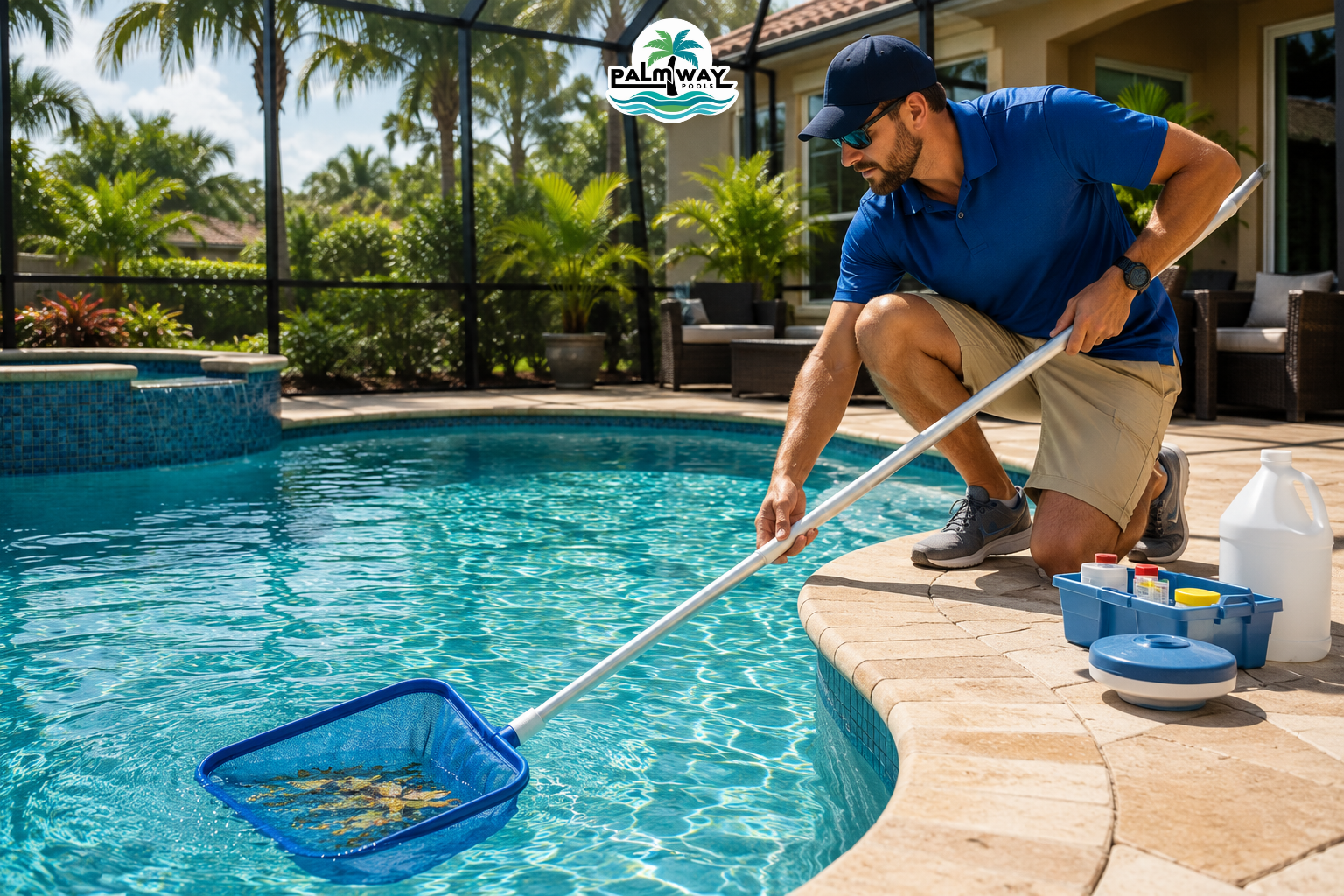
Every week, skim the surface, empty baskets, brush walls and steps, and vacuum or use a robotic cleaner. These tasks prevent stains, slippery surfaces, and algae spots. If you want steady support, professional pool cleaning can handle these basics on schedule, even during busy weeks or when you’re away. Consistency is key in Florida pool care.
Test the water before problems show up.
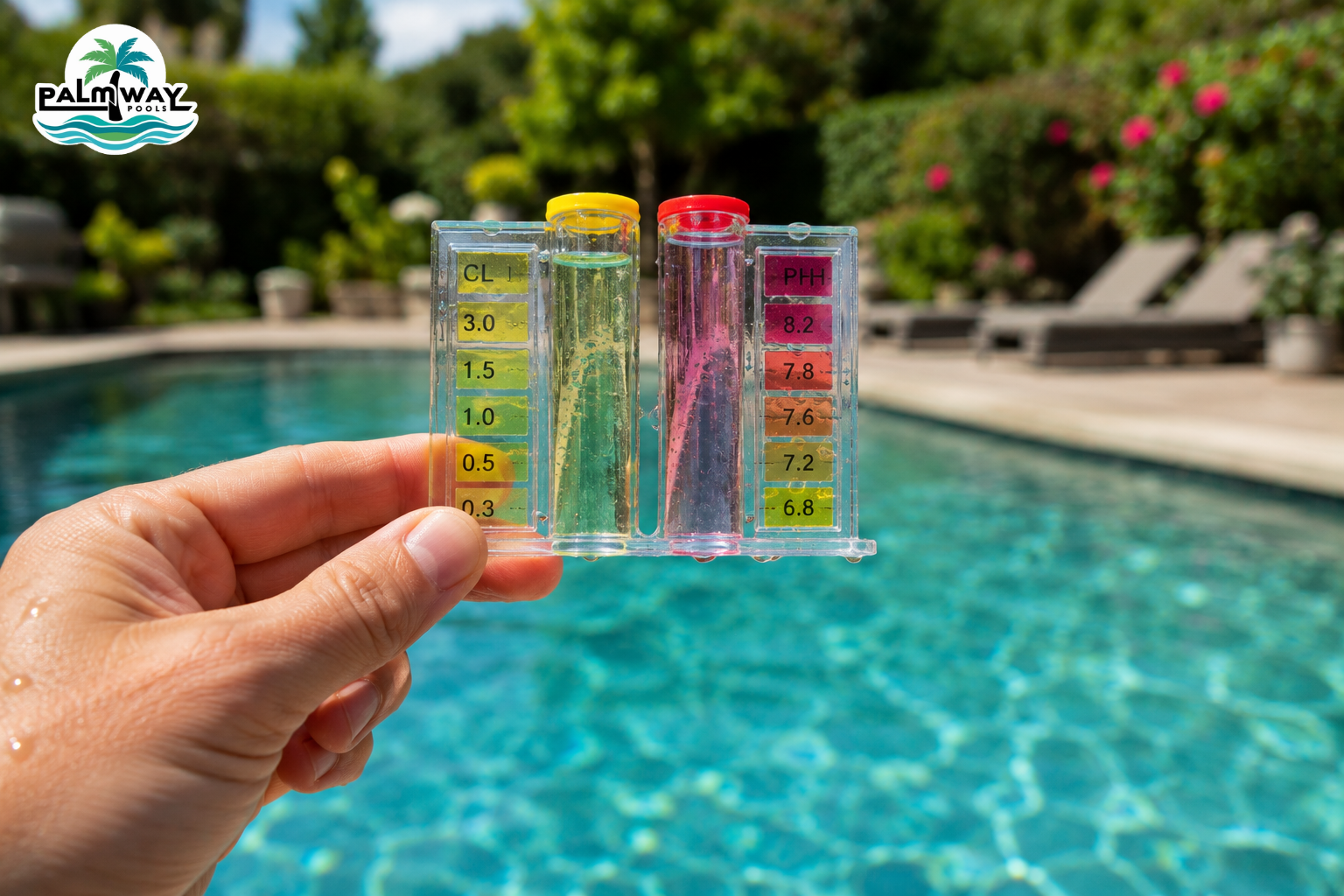
Test water at least once a week, and more after storms, heavy use, or if you notice changes in water clarity. Waiting until the water looks bad means the imbalance may already be affecting surfaces, comfort, and equipment performance. Keep an eye on chlorine, pH, alkalinity, and calcium hardness. Experts recommend keeping calcium hardness in the 200–400 ppm range to reduce corrosion and scaling, especially in challenging climates.
Inspect circulation and flow.
Good circulation keeps a pool healthy. If the pump sounds off, pressure changes, or water moves weakly, your system needs attention. Small circulation problems can grow into larger sanitation issues. If you notice weak flow, leaks, or strange noises, a timely pump repair can prevent a costly breakdown later.
Understand Florida Water Chemistry the Right Way
Balance pH, sanitizer, and alkalinity
Florida’s weather can cause constant chemistry drift, especially after rain or heavy use. High pH levels can reduce sanitizer effectiveness and lead to scale buildup, while low pH can make water irritating and corrosive. Alkalinity helps stabilize pH. A balanced pool is easier to maintain, more comfortable to swim in, and less likely to damage surfaces or equipment over time.
Track calcium hardness and salt levels
Because Florida pools face heat and evaporation, mineral levels can change quickly. If calcium hardness is too low, surfaces and equipment may corrode; if too high, scaling and cloudy water can appear. Saltwater systems need regular monitoring because salt levels affect sanitizer production and overall water balance. For best results, have someone who understands how these elements interact check your chemistry.
Watch for the signs of chemical imbalance.
Cloudy water, eye irritation, strange odors, and slippery surfaces all need chemistry checks. Many pool owners think a strong chlorine smell means the pool is clean, but it often comes from chloramines and poor water balance. If problems keep returning, the issue may be broader than just one chemical adjustment. A deeper inspection of circulation, filtration, and sanitation strategy is usually the right next step.
Prevent Algae Before It Becomes a Bigger Problem
Use algaecides and phosphate control strategically
Preventing algae is easier than removing it, especially in Florida, where growth happens fast. Algaecides can help as part of a broader program, while phosphate removers reduce the nutrients algae need. These products aren’t magic fixes, but when used correctly, they support healthier water and reduce the chance of recurring blooms.
Don’t miss the service during the wet season.
Missed service visits are a common reason pools slip out of balance in summer and rainy months. In Florida, algae can bloom within 48–72 hours of a missed visit, so a small gap in care can create a noticeable problem quickly. That’s why many owners choose a dependable pool service schedule to keep everything on track, even when the weather is unpredictable.
Brush dead spots and shaded areas.
Algae often starts in low-circulation areas, such as steps, corners, behind ladders, and shaded walls. Brushing these areas helps break up buildup before it turns into a larger issue. This is especially important for pools with trees nearby or properties that don’t get full sun. If problem spots keep returning, the pool may need improved flow, better filtration, or equipment adjustments.
Protect Your Equipment for Long-Term Performance
Clean filters and monitor pressure
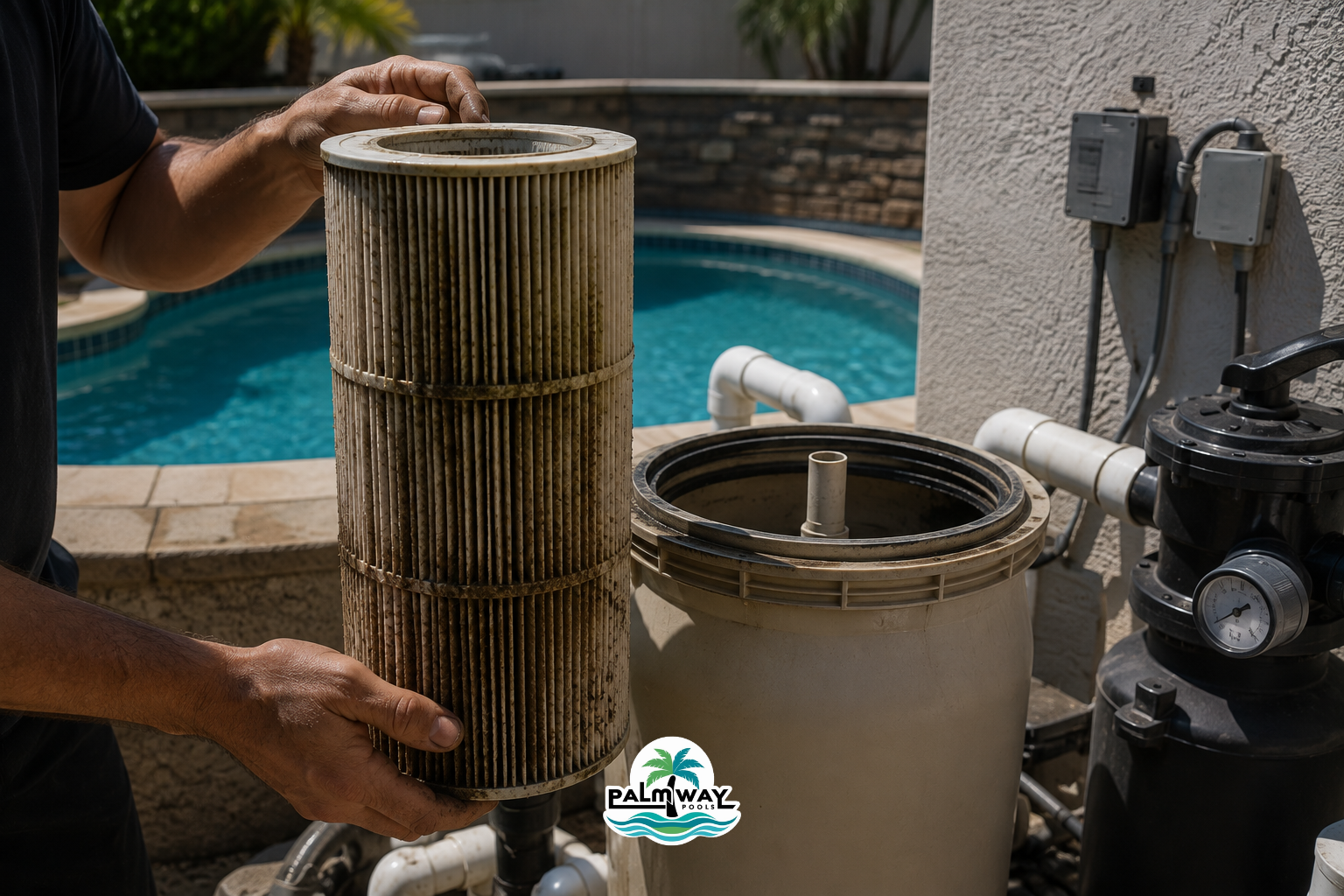
Filtration is the backbone of water clarity, but filters can only work if they’re clean and sized properly. Rising pressure, reduced flow, or murky water often point to a clogged or worn filter. Replacing a tired filter can improve performance, reduce strain, and make upkeep easier. If your filter is past its useful life, consider pool filter replacement before small issues start affecting the whole pool.
Repair small issues before they spread.
Florida’s climate is tough on pool systems, and small mechanical problems often get worse faster than expected. A noisy motor, dripping seal, or weak circulation pattern may seem minor, but they can signal bigger wear inside the system. If a pump isn’t holding pressure or moving water efficiently, a prompt pump repair can save both energy and equipment life.
Know when replacement is the smarter choice.
Some equipment is too old or inefficient for repeated repairs. If a pump fails often, a heater isn’t reliable, or the system struggles to keep up, replacement might be the better financial choice. Modern equipment can improve circulation, reduce energy use, and make maintenance easier, which is valuable in Florida, where pools are often used.
Adjust for Florida’s Wet and Dry Seasons
The rainy season changes the chemistry fast.
During the wet season, rainwater can dilute sanitizer and shift pH and alkalinity. Debris also enters the pool more frequently, which means filters clog faster and skimming becomes essential. After heavy rain, test water ASAP and correct the balance before problems spread. Seasonal awareness often determines whether a pool stays stable or becomes a hassle.
Dry season increases evaporation and concentration.
In the dry months, evaporation can raise mineral levels and concentrate chemicals. That means water may drift toward scaling, staining, or irritation if not monitored regularly. Evaporation also changes the water level, affecting skimmer performance and pump operation. A good maintenance plan adapts to these shifts instead of using the same approach year-round.
Plan seasonal deep cleaning and equipment checks.
Seasonal transitions are ideal for deep cleaning, drainage, and equipment inspection. If a pool has stubborn stains, buildup, or discoloration, a pool drain and acid wash may restore the surface. This is useful before heavy use or after poor water quality. Regular service is about prevention, but seasonal deep maintenance helps reset the system when needed.
Use Technology to Make Pool Care Easier
Automated monitoring improves consistency.
More homeowners are using digital water monitoring systems and automated dosing equipment because they make it easier to stay on top of chemistry changes. These tools reduce guesswork and provide timely alerts. In Florida’s climate, consistency makes a big difference. Technology doesn’t replace good maintenance habits, but it strengthens them by adding better visibility.
Robotic cleaners reduce labor.
Robotic cleaners save time and improve debris removal. They help keep floors, walls, and waterlines cleaner between service visits, which is helpful during high-debris seasons. For a more hands-off routine, robotic cleaning can be paired with professional maintenance. This often leads to clearer water and fewer surprise cleanups.
Energy-efficient upgrades lower long-term costs
Energy use is a concern for many pool owners, especially when equipment runs frequently. Variable-speed pumps, upgraded filters, and efficient heaters can reduce operating costs while maintaining strong performance. If your pool equipment is outdated, a strategic pool equipment repairs and upgrades plan can improve comfort and control without sacrificing reliability.
Real-World Example: What Year-Round Care Looks Like in Treasure Island
Coastal conditions need local expertise.
Treasure Island properties face salt air, wind-blown debris, and heavy use year-round. A pool here may need extra attention on metal components, water chemistry, and filtration because the environment is demanding. Palmway Pools understands these conditions, which is why local knowledge matters. Homeowners benefit when their maintenance plan considers the real conditions around the property, not just the pool itself.
A practical service example
Imagine a residential pool that starts each spring in good shape but becomes cloudy after rain and wind. A maintenance team might start with water testing, skimming, brushing, filter inspection, and circulation checks. If the pump is weak or the filter is clogged, those issues are corrected before more algae can develop. In some cases, a full cleaning paired with pool service keeps the pool stable through the season without disruption.
When professional help saves time and stress
Homeowners often wait until problems are obvious, but the best time to call for help is before the water turns. Professional care is valuable for rental properties, busy households, and commercial spaces that can’t afford downtime. If you live near the coast and want dependable support, local service can keep the pool ready for guests, family, and everyday use.
Common Questions Florida Pool Owners Ask
How often should I service my pool?
Weekly service is usually recommended in Florida because heat, humidity, and debris can affect water quickly. Some pools with heavy use, trees nearby, or coastal exposure may need even more attention at certain times of year. The goal is not just to clean the pool, but to keep chemistry and equipment stable before issues become visible.
What are the signs of a chemical imbalance?
Cloudy water, irritated skin or eyes, strong odors, scaling, and slippery surfaces can all indicate balance problems. If these symptoms appear repeatedly, the pool may need more than a quick chemical adjustment. Circulation, filtration, and bather load should all be evaluated, too. Testing early and often keeps minor issues from turning into costly corrections.
How can I prevent algae growth most effectively?
Use a mix of brushing, filtration, sanitizer management, and targeted products like algaecides when needed. Avoid skipping service visits, especially during warm and rainy periods. Keep the pool circulating and make sure hidden areas are brushed regularly. If algae keeps returning, the issue may be related to equipment, dead zones, or inconsistent maintenance rather than chemistry alone.
Build a Year-Round Pool Plan You Can Stick To
Start with a service schedule.
A simple calendar-based plan is often more effective than reacting to problems. Weekly cleaning, regular testing, filter checks, and seasonal tune-ups create a routine that fits Florida conditions. If you need help keeping everything on track, professional pool cleaning and full pool service make it easier to stay consistent without adding stress to your week.
Pair maintenance with smart upgrades
As equipment ages, maintenance gets harder and more expensive. That’s why many homeowners eventually choose targeted upgrades for pumps, filters, and circulation components. In some cases, a repair is enough; in others, replacement is the better long-term move. If your pool still struggles after repeated service, it might be time to explore pump replacement or other improvements.
Use local experts when the stakes are high.
Florida pool care isn’t just about keeping water blue. It’s about protecting your investment, reducing repair costs, and making sure the pool is always safe and ready to use. For homeowners and businesses in Treasure Island and the surrounding area, working with a trusted local team can make year-round care much more manageable. Palmway Pools is here to help with steady maintenance, equipment oversight, and reliable support whenever your pool needs attention.
For more about the local service approach, you can also explore our Treasure Island pool cleaning and maintenance page. If you’re ready to simplify your routine, protect your equipment, and keep your water clear all year, reach out to Palmway Pools at (844) 307-1680 or email info@palmwaypools.com. Consistent care today can prevent bigger problems tomorrow, and the right maintenance plan makes a Florida pool much easier to enjoy every season.
For additional standards and best practices, the Pool & Hot Tub Alliance provides industry resources on water care and equipment guidance, while Florida residents can review weather and storm preparation information through Florida Disaster to better plan for seasonal pool conditions. These resources, combined with a dependable maintenance routine, create a strong foundation for long-term pool health.