Why Your Pool Water Turns Cloudy and How to Fix It
Cloudy pool water is like a red flag that something in yo ur pool needs a little TLC. Sure, it might seem harmless at first, but that haze usually means there's an issue with filtration, chemicals, or something else that's not quite right. If you want that crystal-clear water, it's all about figuring out what's causing the cloudiness and tackling it head-on. Sometimes, reaching out for professional pool cleaning or a full pool service plan can save you a lot of hassle.
Cloudy water often pops up after a lot of swimming, a storm, or if the filter's not working right. The upside is, once you know what's wrong, you can usually sort it out in a day or two. This guide will help you understand why your pool might be cloudy, how to troubleshoot it, and when it’s time to call in a pro. The U.S. Environmental Protection Agency highlights how important routine maintenance is for water quality and safety (EPA water resources).
What Cloudy Pool Water Actually Means
Cloudiness isn't the real problem.
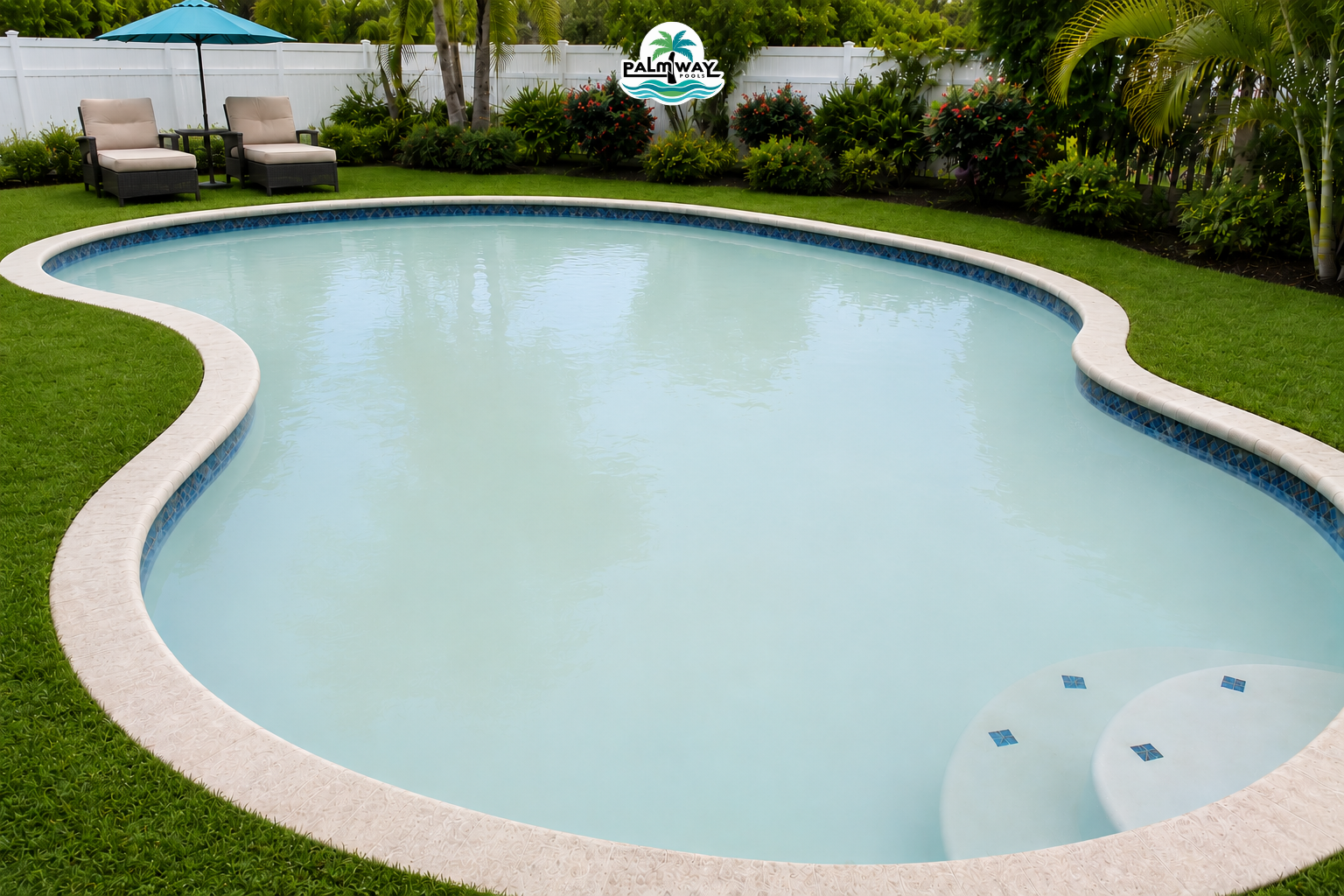
If your pool looks dull or milky, it's a sign that particles are hanging out in the water instead of being filtered out. This could be anything from organic debris to dead algae or dirt. Even if the water isn't green, cloudiness can still mean your pool's not being properly sanitized or filtered.
Think of cloudy water as an early warning. It can show up before bigger issues like algae blooms or equipment problems. If it keeps coming back, it might be a deeper issue like a worn-out pump that needs repair or even replacement. Catching it early can save you time and money.
Clear water is more than just pretty.
Clear water isn't just about looking good. When the water's cloudy, it's hard to see the bottom, which can be a safety risk, especially for kids. Cloudiness might also mean low sanitizer levels, which can lead to irritation or exposure to germs. Public health experts like the Centers for Disease Control and Prevention stress the importance of proper disinfection (CDC Healthy Swimming).
For homeowners, a clear pool is more inviting and fun. Nobody wants to swim in murky water. Keeping your pool clear also helps maintain its value and keeps your equipment in good shape.
The Most Common Causes of Cloudy Pool Water
Poor filtration and weak circulation
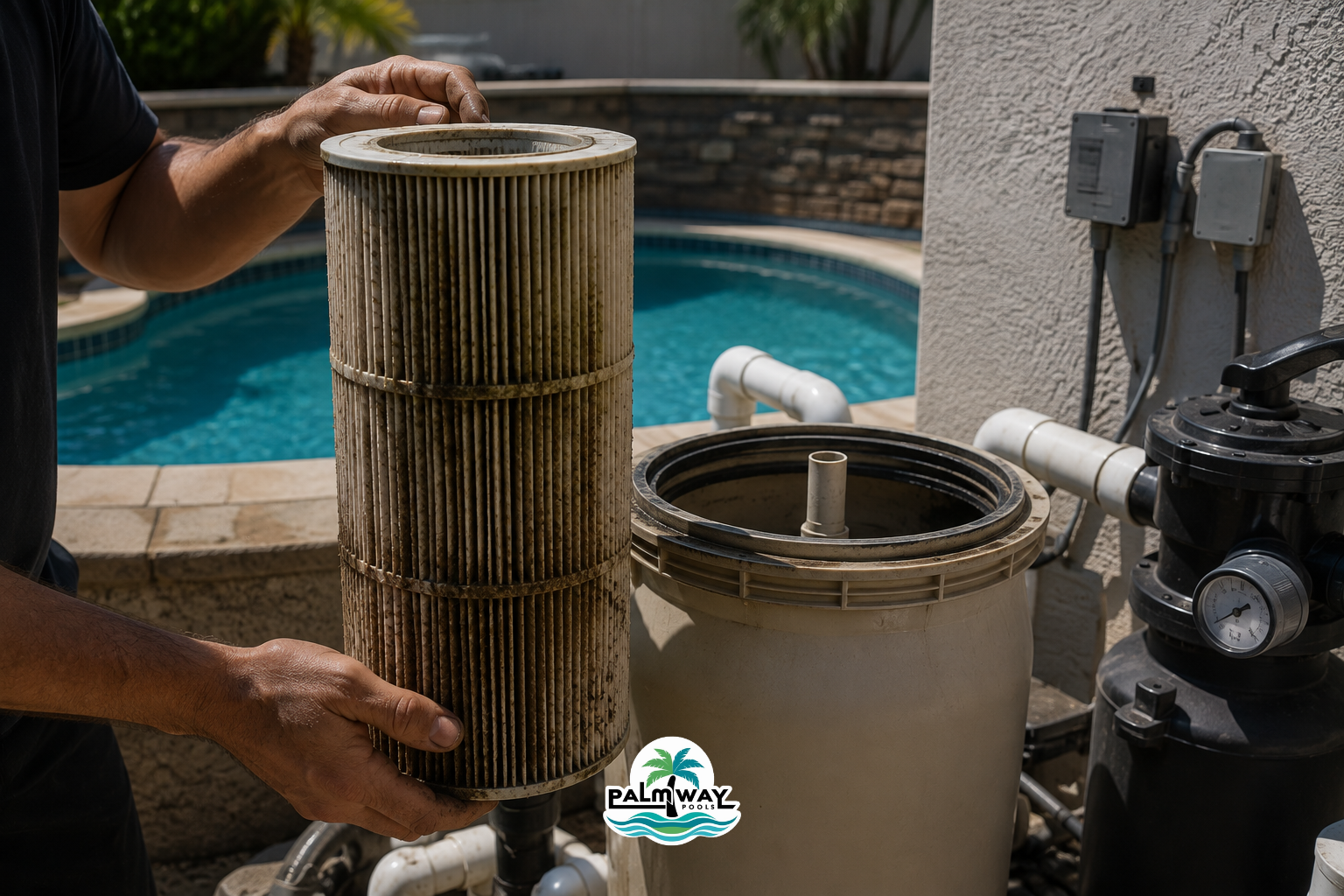
One big culprit of cloudy water is a filter that's clogged, too small, or just not running enough. If your pump isn't moving water effectively, those tiny particles won't get filtered out, making the water look milky. Regular filter replacement can help keep everything working smoothly.
Poor circulation can be just as bad. Areas with little water movement can let debris settle and weaken the sanitizer, especially in corners and steps. This is crucial in warmer climates where bacteria grow faster.
Unbalanced water chemistry
Your pool's chemistry is a bigger deal than you might think. If things like pH, alkalinity, or calcium hardness are off, particles can fall out of solution, making the water cloudy. High pH is common and can reduce chlorine efficiency, leading to scale or precipitation.
Experts suggest keeping free chlorine between 1 and 3 ppm, pH between 7.4 and 7.6, and total alkalinity between 80 and 120 ppm. These numbers aren't one-size-fits-all, but they're a good start for maintaining clear water. If you're constantly adjusting the chemistry, a professional might need to look at the whole system.
Organic contaminants and environmental debris
Things like sweat, sunscreen, leaves, and dirt can all add up, making your pool water look dull. After storms or heavy pool use, cloudiness is common because debris enters faster than the pool can handle.
Research shows that regular cleaning, skimming, brushing, and vacuuming can significantly cut down on cloudy water events. Proper filtration and balanced chemistry are crucial for preventing these issues.
How to Diagnose the Problem Step by Step
Start with the filter and pump system.
If your pool's cloudy, check the circulation first. Make sure the pump runs long enough, the skimmer baskets are clean, and the filter pressure isn't too high. A noisy pump or weak flow might mean a repair is needed.
Each filter type needs different care, so check the backwash or cleaning schedule. If the filter is damaged or too old, cleaning might not be enough.
Test the water before adding chemicals.
Dumping in extra chlorine might not fix everything. You should test sanitizer levels, pH, alkalinity, calcium hardness, and stabilizer first. If something's out of range, the cloudiness might return even after a shock treatment. The National Swimming Pool Foundation emphasizes routine testing for safe pool care (National Swimming Pool Foundation).
If chlorine is low, adjust the sanitizer. If pH is high, chlorine isn't as effective. Each test helps pinpoint the issue.
Look for signs of contamination or algae.
Cloudy water might be the start of algae growth, especially if the pool hasn't been brushed or shocked lately. Slippery walls or slight green tints are warning signs. Even if the water isn't fully green, a hidden bloom might be forming in low-circulation areas.
Organic contamination is more likely after heavy pool use or rain. In Treasure Island, Florida, frequent storms can make this a common issue, so quick maintenance responses are often needed.
The Best Ways to Fix Cloudy Pool Water
Improve filtration and run time.
Once you know the cause, focus on filtration. Clean the basket, rinse or backwash the filter, and ensure the pump circulates the water efficiently. During swimming season, running the pump 8 to 12 hours a day can help capture those fine particles.
If the filter is old or too small, an upgrade might be the best solution. Constantly dealing with cloudiness can be more costly than fixing the system.
Balance the water chemistry carefully.
With stable circulation, correct the chemistry. Get pH in range, adjust alkalinity if needed, and ensure sanitizer levels are correct. Balanced water often clears up within 24 to 48 hours if the issue is chemistry-based.
Adjust one issue at a time and retest before making more changes to avoid overcorrection. If repeated chemical fixes make the water unstable, a professional assessment can help restore clarity.
Shock the pool after heavy use or rain.
Shocking the pool helps restore sanitizer strength and break down contaminants, especially after parties or storms. Shock treatment doesn't replace filtration, but it can speed up recovery when the water's clouded by organic material.
Follow product directions and confirm water balance before reopening the pool. Over-shocking can create new problems, so treat the pool carefully.
When Cloudy Water Becomes a Bigger Equipment Issue
How circulation problems create repeat cloudiness
Some pools clear up temporarily but become cloudy again due to unresolved circulation issues. A failing pump or undersized filtration system can cause recurring problems. Without steady flow and functioning equipment, chemical treatments only provide a temporary fix.
If your pool needs constant attention, consider a professional inspection. Regular equipment checks alongside water treatment often lead to better results than addressing cloudiness one case at a time.
Signs that repair or replacement may be necessary
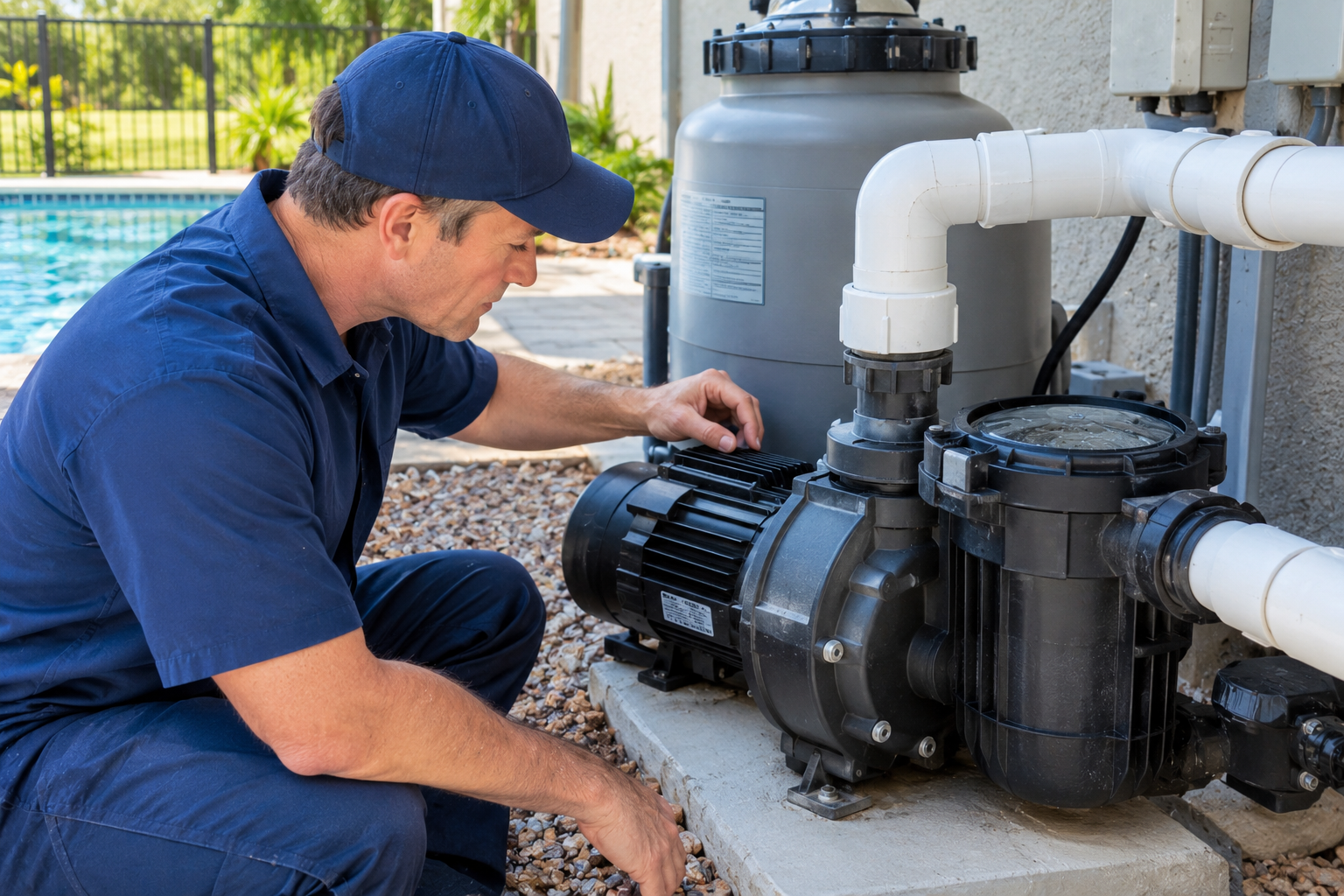
Strange noises, reduced flow, leaking seals, and pressure changes often indicate a pump or filter issue. If these signs align with cloudy water, they may be connected. Sometimes repair is enough, but older systems might need replacement for better long-term performance.
Professional help can identify whether the issue is isolated or part of broader wear. For instance, a functioning pump might have a motor nearing the end of its life. Replacing just the filter without considering pump health might not resolve cloudiness.
Real-World Examples and What They Teach Us
A high pH pool in Florida
One Florida pool stayed cloudy despite repeated chlorine treatments. Testing showed high pH and alkalinity as the real culprits. Adjusting the pH and alkalinity cleared the water in 48 hours, showing the importance of chemical balance over just adding more sanitizer.
This case highlights the risks of guessing. The owner thought algae was the problem, but a precise diagnosis saved time and unnecessary shock treatments.
Storm debris and a community pool
After heavy rainfall, a community pool became cloudy due to debris and diluted sanitizer. A thorough cleaning, brushing, filtration cleanup, and shock treatment resolved the issue in 36 hours. It taught that weather-related contamination often requires a combined response.
In coastal areas like Treasure Island, pools need extra care after storms, as wind and rain quickly add contaminants. Dependable maintenance is essential.
How to Prevent Cloudy Water from Coming Back
Stick to a consistent maintenance schedule.
Prevention starts with regular service. Skim, brush, vacuum, and test the water regularly. Inconsistent tasks make cloudiness more likely. Consider a structured service plan from Pool Cleaning to keep the water clear.
Consistency is key because water chemistry changes over time. Sun, rain, swimmers, and equipment wear all affect balance. A clear pool today can drift out of range quickly without monitoring.
Use smart habits around swimmers and weather.
Encourage swimmers to rinse off before entering the pool to minimize oils and debris. After large gatherings, consider a cleanup or shock treatment. After storms, check the pool quickly to prevent contaminants from settling.
Think of prevention as a mix of habits and hardware. Clear input leads to clear output.
Schedule seasonal inspections and professional support
Have a technician review circulation, filtration, chemistry trends, and equipment wear at least once or twice a year. Seasonal inspections before heavy-use months or after storm season are valuable. A full pool service plan can keep everything running smoothly.
Proactive care helps maintain an inviting pool and reduces the need for emergency treatments. Professional support isn't just for emergencies; it's a top prevention tool.
Frequently Asked Questions About Cloudy Pool Water
How long does it take to clear cloudy pool water?
Cloudy pool water often clears within 24 to 48 hours once you fix the cause. If it's a chemistry issue, the response is usually quick. If the filter or circulation is weak, it might take longer.
Is it safe to swim in cloudy water?
Swimming in cloudy water isn't recommended. Even if it doesn't smell bad or look green, cloudiness can mean low sanitizer or hidden contamination. It also reduces visibility, affecting safety. Wait until the pool is clear again.
Should I add more chlorine right away?
Not always. Chlorine can help, but it doesn't fix every type of cloudiness. If pH, alkalinity, or calcium are out of range, adding more chlorine without testing won't solve the problem. A balanced approach is better.
Final Thoughts and Next Steps
Cloudy pool water can be a headache, but it's usually manageable once you find the cause. Common issues include poor filtration, circulation problems, chemical imbalances, and organic debris. Regular testing, proper filtration, timely shock treatments, and consistent cleaning can turn cloudy pools clear and safe. If the problem keeps coming back, it might be mechanical, and expert help can be crucial.
For lasting clarity, prevention is key. Routine maintenance, seasonal inspections, and prompt repairs protect water quality and equipment life. If you need help diagnosing cloudy water or want a reliable maintenance plan, Palmway Pools offers professional cleaning, equipment checks, and services tailored to your pool’s needs. Learn more about our filter replacement options, or explore our equipment repair and upgrade services to keep your pool running smoothly. Clear water begins with consistent care, so tackle cloudiness quickly to keep your pool looking its best.