What Makes a Pool Look Clean and Safe
A pool might look inviting at first glance, but keeping it truly clean goes beyond just sparkling water. A well-maintained pool feels safe, works efficiently, and stays balanced without hidden issues. Homeowners and property managers who want consistent results usually focus on routine care, smart equipment choices, and early attention to warning signs.
In this guide, we’ll explore what really makes a pool look clean and safe, including water chemistry, filtration, circulation, safety measures, and the latest trends in pool care. We’ll also discuss how professional pool cleaning and pool service can protect your investment, reduce headaches, and keep your pool ready for daily use.
If you’re researching best practices, it's helpful to know that pool care is getting more efficient and tech-driven every year. According to AQUA Magazine, many companies are using all-in-one software and AI tools to improve service delivery. This shift benefits pool owners too because well-maintained pools today often have systems that prevent problems before they become visible.
Clear Water Is Just the Beginning
Appearance Is Just Part of the Picture
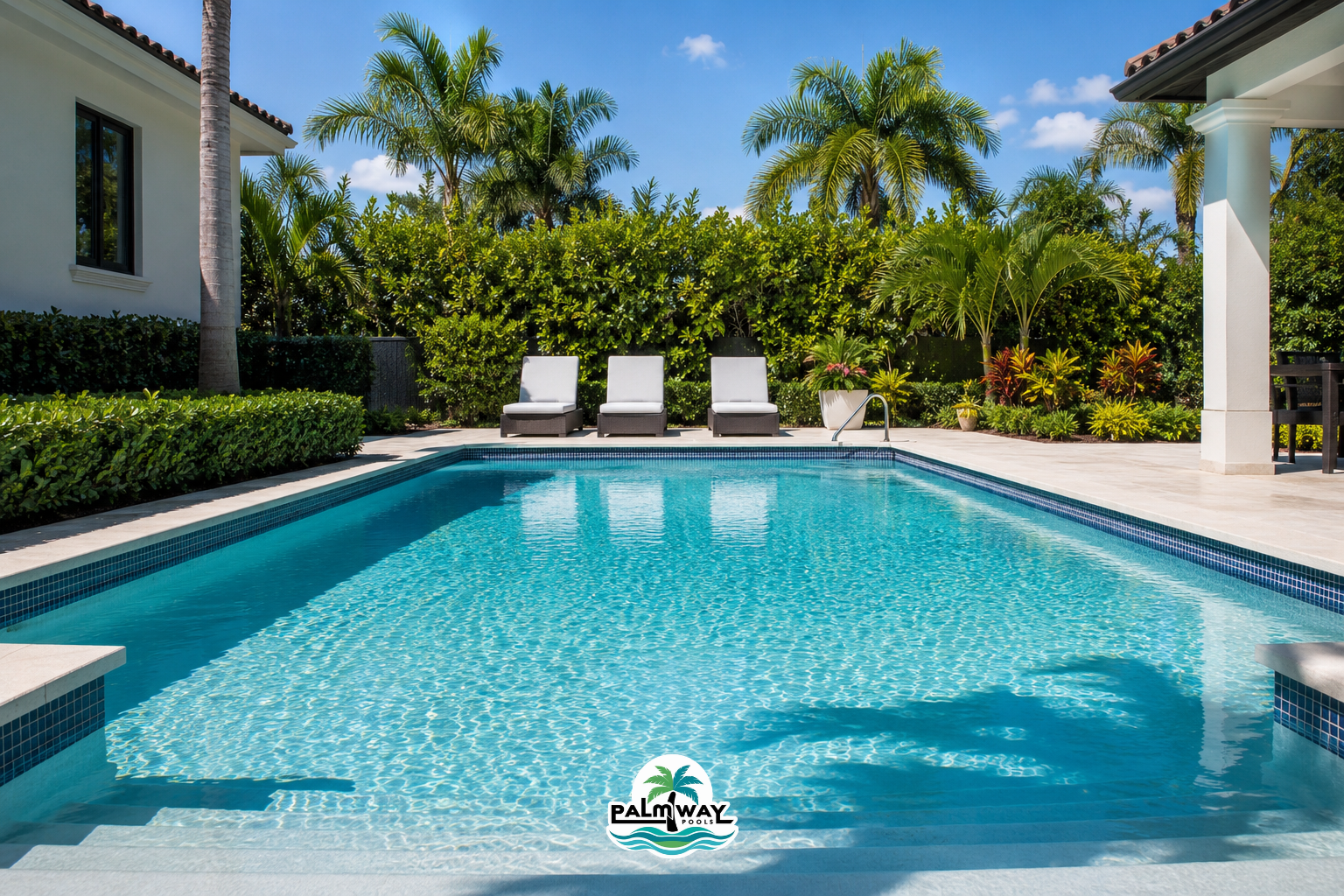
Crystal-clear water is the first thing most people notice. A clean pool should have water clear enough to see the bottom, walls free of buildup, and no debris or algae on the surface. But appearance doesn't guarantee safety or proper maintenance. A pool can look good but still have issues like chemistry problems or equipment strain that might show up later.
Professional care involves more than skimming and brushing. It includes balancing sanitizer levels, checking pH, inspecting filters, and ensuring proper water circulation. When these fundamentals are in place, the pool stays cleaner longer and feels better for swimmers. If the water turns cloudy often, the underlying system might need attention. Many owners turn to pool filter replacement or pump repair to address these issues before they worsen.
Signs of a Truly Clean Pool
A clean pool has balanced water, a fresh smell, and no visible signs of contamination. The water shouldn't sting your eyes, leave residue on surfaces, or create foamy buildup. The tile line, steps, and skimmer baskets should be free of excessive dirt and debris. When all these details come together, the pool feels maintained, not just cleaned.
Regular maintenance is recommended weekly for most residential pools. This routine keeps debris from building up, reduces the chance of algae growth, and makes chemical balancing easier over time. For consistent upkeep, a scheduled service plan is practical because it keeps cleaning, testing, and inspection on track without guesswork.
Water Chemistry Is the Foundation
The Importance of Balanced Chemistry
Balanced water is key to a safe, well-maintained pool. Proper chlorine or sanitizer levels control bacteria and algae, while pH and alkalinity affect comfort and clarity. According to the Centers for Disease Control and Prevention, proper chemical balance is essential to reduce the risk of water illnesses. That's why professional care involves more than just adding chlorine when the water looks dull.
How Balanced Water Should Feel
Well-balanced water should be comfortable to swim in and not have a harsh chemical smell. Strong odors often mean chloramines or other contaminants are building up, indicating the sanitizer isn't working effectively. Clear, comfortable water usually shows that the pool is regularly tested and adjusted before small issues turn into bigger problems.
How Chemistry Affects Pool Appearance
Unbalanced chemistry can make water look cloudy, cause surfaces to scale or stain, and create conditions where algae grows quickly. Low sanitizer levels might let contaminants multiply, while wrong pH levels can reduce chlorine effectiveness. Over time, this can cause wear on heaters, pumps, and filters, raising the ownership cost.
The good news is that preventing chemistry problems is often easier than fixing them. A reliable maintenance schedule, paired with regular testing, helps keep the water stable and the system running smoothly. When combined with professional pool cleaning, this stability is a clear sign of a well-maintained pool.
Circulation and Filtration Make a Difference
Why Moving Water Stays Cleaner
Water that moves is easier to keep clean than water that sits still. Good circulation helps distribute chemicals evenly, pushes debris toward the filtration system, and prevents dead spots where algae can start. If a pool has weak circulation, even regular cleaning may not be enough to maintain its appearance.
This is why pump performance matters. A noisy pump, low flow, or repeated prime loss can signal that the system isn't supporting the pool properly. When circulation weakens, many owners benefit from pump repair or, for older equipment, pump replacement.
How Filtration Supports Clean Water
Filters remove fine debris that skimming can't catch. Dirt, pollen, body oils, and tiny organic particles can cloud water if the filter is undersized, dirty, or worn out. Even a regularly brushed and vacuumed pool can lose its sparkle if filtration doesn't keep up.
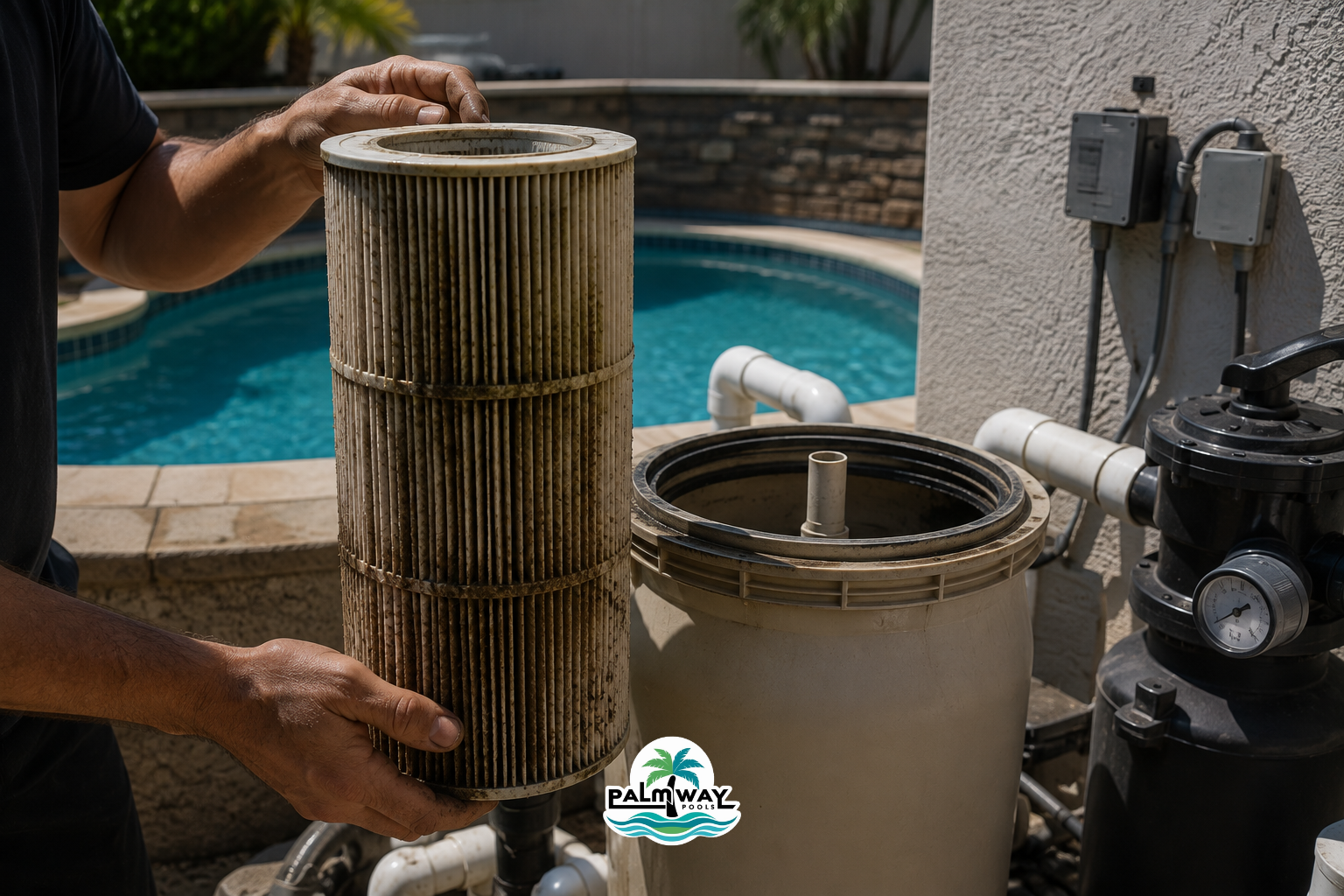
That's why filter maintenance is crucial. A clean filter improves clarity, supports sanitizer performance, and reduces strain on the system. For pools with persistent clarity issues, professional pool filter replacement can be a smart investment, especially when the existing filter is past its prime.
Energy-Efficient Circulation Is a Best Practice
Energy use is a big part of pool maintenance today. Variable-speed pumps are popular because they adjust output to match demand instead of running at full power all the time. Industry sources report that variable-speed pumps can pay for themselves in about one to two years through electricity savings, depending on usage and local rates.
This efficiency trend aligns with broader industry changes. Homeowners are looking for equipment that cuts waste without sacrificing performance. If circulation and filtration are the engine of a clean pool, then efficiency keeps that engine affordable over time.
Safety Features Are Part of the Look
How Safety and Cleanliness Work Together
A pool doesn’t look fully maintained unless it feels safe. Clean decking, clear visibility, secure ladders, and safe fencing contribute to a pool’s overall presentation. Safety features might be subtle, but they show the property owner's commitment. A pool may be beautiful, but if the surrounding area feels slick or cluttered, it won't seem well-maintained.
According to the U.S. Public Health Service Commissioned Corps, pool safety is important because improperly managed pools can pose hazards. The best-maintained pools address all these areas together.
Practical Safety Features That Improve Appearance
Non-slip surfaces, secure handrails, and clear signage contribute to a professional look. Even small details, like organizing toys and maintenance tools, help a pool area look cared for rather than neglected. A tidy deck suggests the pool itself is monitored closely.
Regular inspections are also important for ladders, diving boards, gate latches, and drain covers. These parts might not be as visible as the water, but they're essential to safe operation. Many owners notice that when they invest in pool equipment repairs and upgrades, the entire pool area looks newer and more reliable.
Why Safety Boosts Confidence
People feel more comfortable swimming in an organized, well-cared-for pool. That confidence comes from visible cleanliness and knowing that the pool is checked for hazards. For rentals, community pools, and family homes, that confidence is a major part of the pool’s value.
Safety and appearance reinforce each other. A safe pool tends to be maintained more consistently, and a consistently maintained pool tends to look better. That's why proactive care is more effective than emergency repairs or occasional deep cleaning.
Modern Pool Care Is Getting Smarter and Greener
How Technology Is Changing Expectations
One of the biggest trends in pool service is the adoption of technology. Recent reports show that 47% of companies are using or testing AI tools to improve service delivery. For pool owners, this means faster response times, better scheduling, and more reliable maintenance records.
Smart pool controllers help maintain a cleaner look by keeping filtration, heating, and chemical management consistent. When a system operates predictably, there are fewer surprises like cloudy water or missed cleanings. That consistency often shows up in the pool’s appearance, which is why technology is becoming part of what “well maintained” means.
Sustainable Choices Are Becoming Standard
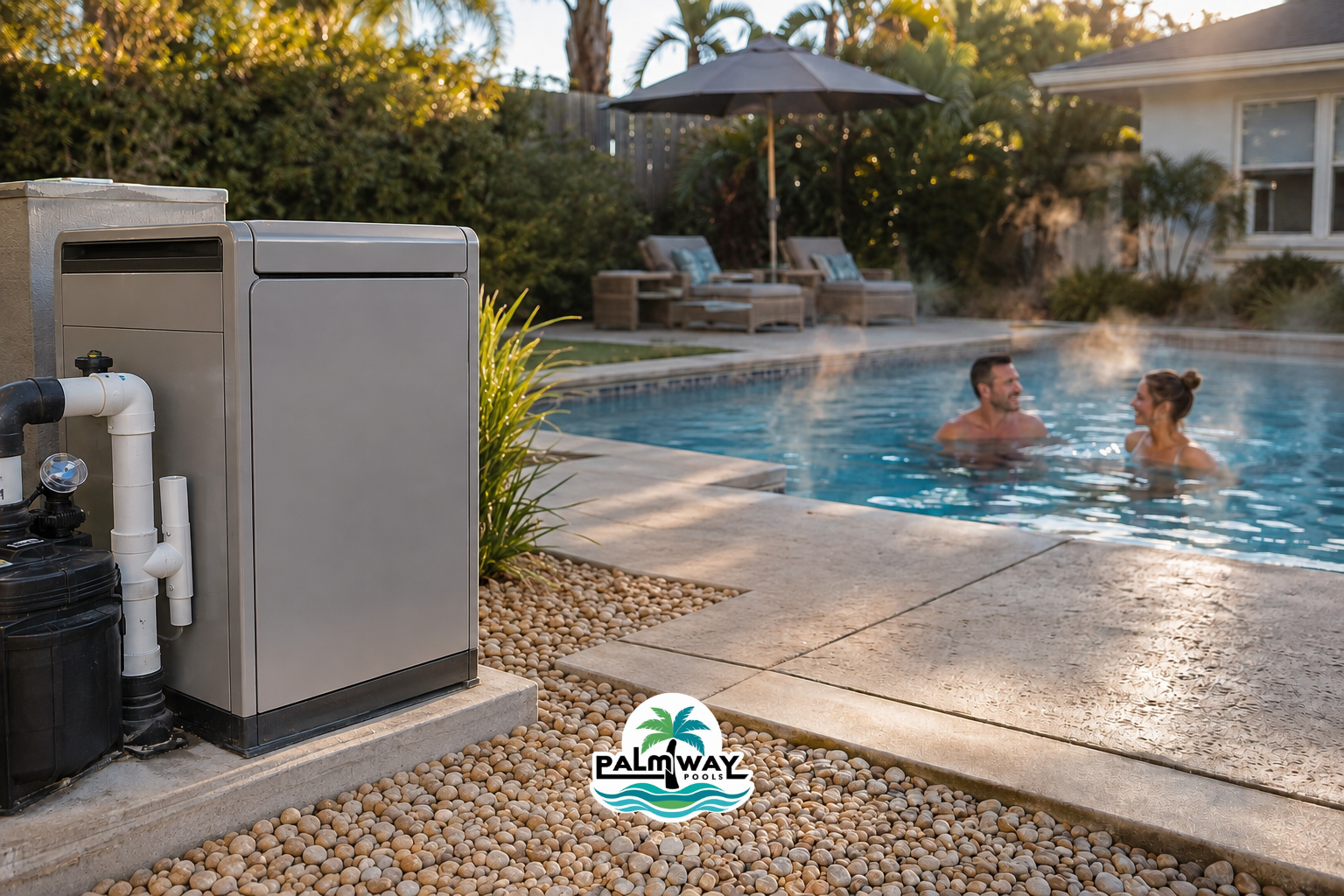
Eco-friendly pool care is no longer niche. Saltwater generators, smart controllers, and more efficient equipment help reduce chemical use and energy demand. Industry data shows that saltwater generator adoption reached 31% in 2024, while smart controller penetration hit 12%, indicating a steady embrace of sustainable solutions.
These choices improve the pool's look and feel by keeping water more stable. When chemicals are managed more precisely and systems run efficiently, there's less chance of harsh water or unnecessary wear. If sustainability matters to you, consider whether your setup could benefit from equipment upgrades or a better maintenance strategy.
Why Sustainability and Maintenance Go Hand in Hand
A sustainable pool is usually a better-maintained pool because it's designed to work smarter, not harder. Less waste means fewer fluctuations in water quality, and fewer fluctuations mean fewer visible problems. Owners who invest in smarter systems often see a better long-term return because the pool stays attractive with less effort.
Professional repair and upgrade support can make a noticeable difference. Services like pool equipment repairs and upgrades can modernize older systems, improve control, and reduce energy waste. That means cleaner water, steadier operation, and a pool that looks polished even during heavy use.
What Pool Maintenance Looks Like in Real Life
A Homeowner's Experience
Consider a Florida homeowner dealing with high chemical costs and cloudy water. After switching to a saltwater system and improving their maintenance schedule, they reduced chemical costs by 30% and cut maintenance time by 20%. This result didn't come from one dramatic fix but from better equipment, consistent testing, and regular cleaning.
This example shows how the pool's appearance follows the system behind it. Once the water became more stable, it stayed clearer, required fewer emergency adjustments, and looked more inviting throughout the week. For homeowners seeking low-stress, high-quality care, this outcome shows the value of consistent service.
A Community Pool's Experience
A community pool that installed a variable-speed pump saw a 25% reduction in energy bills in the first year. Beyond the savings, the pool also benefited from better circulation, supporting clearer water and even chemical distribution. This improvement is especially valuable in shared spaces, where appearance and safety matter to larger groups of users.
Case studies like this highlight a simple truth: pool maintenance isn't just about cleaning. It's about designing a system that supports clean water, stable operation, and reliable daily use. When everything works together, the pool looks better and costs less to maintain.
What This Means for Warm Climates
In humid, coastal areas, regular maintenance is crucial because warm weather accelerates algae growth and debris buildup. That's why property owners often schedule recurring pool service rather than waiting until problems are visible. Preventive care is not only easier but also the best way to preserve the pool’s appearance in demanding conditions.
For properties in Treasure Island and surrounding areas, consistency is especially valuable because environmental conditions change quickly. Sun, rain, and heavy use all affect water quality, so a maintenance plan that adapts to those conditions will always perform better than occasional deep cleaning alone.
Keeping Your Pool Looking Its Best
Create a Simple Maintenance Routine
The easiest way to maintain a clean, safe, and polished pool is to follow a routine. This routine should include skimming debris, brushing surfaces, emptying baskets, checking chemical balance, and confirming that the pump and filter are working properly. Even small tasks done consistently can prevent the buildup that makes a pool look neglected.
Weekly maintenance is recommended for most pools because it provides a manageable rhythm and prevents small problems from snowballing. If you're not sure where to start, document what is checked each week and compare it against what the pool needs over time. A structured plan is more effective than reacting to visible problems after they appear.
Watch for Early Warning Signs
Cloudiness, unusual odors, algae spots, greasy film, and rapid debris buildup are signs that the pool needs more attention. Unexplained water loss, rising chemical demand, or visible cracks can also point to leaks or equipment issues. These warning signs are important because they often appear before the pool looks severely damaged.
If you suspect a leak or circulation issue, investigate quickly rather than waiting. Early intervention may involve a repair, an equipment inspection, or a deeper cleaning reset. In some cases, specialized services like pool drain and acid wash are needed to restore stained or heavily built-up surfaces.
Use the Right Support When Problems Repeat
Some maintenance problems keep coming back because the root cause hasn't been fixed. If the pump is weak, the filter is old, or the heater isn't performing well, the pool may never look fully clean no matter how often it's skimmed. That's when professional assessment becomes the most practical next step.
Support from a reliable provider can help separate cosmetic issues from system problems. For owners seeking easier upkeep and better long-term results, pairing regular service with targeted repairs usually creates the best balance between cost, performance, and appearance.
FAQ: Common Questions About Pool Cleanliness and Maintenance
How Often Should a Pool Be Cleaned?
Most pools should be cleaned weekly to stay in optimal condition. Weekly care helps prevent algae growth, keeps debris from accumulating, and makes it easier to maintain balanced water chemistry. In hotter or more heavily used environments, more frequent attention may be needed.
What Are the Signs of a Pool Leak?
Unexplained water loss, higher chemical usage, wet spots around the pool, and visible cracks can suggest a leak. If these signs appear, the pool should be inspected quickly because leaks can affect both water clarity and equipment performance. The sooner the issue is found, the easier it is to prevent larger damage.
How Can I Make My Pool More Energy-Efficient?
Installing a variable-speed pump, using a pool cover, and keeping the water properly balanced are some of the best ways to improve efficiency. Energy-efficient equipment reduces operating costs while helping the pool run more smoothly. In many cases, this also improves appearance because circulation and filtration remain consistent.
Do I Need Professional Service if My Pool Looks Okay?
Yes, because a pool can look fine even when the system underneath is developing problems. Professionals can spot early wear, test water more accurately, and identify issues with filtration or circulation before they become visible. That proactive approach is what keeps a pool looking consistently clean and safe over time.
Conclusion: A Well-Maintained Pool Is Clean, Safe, and Consistent
What makes a pool look clean and safe isn’t just one thing. It’s the combined effect of balanced water, strong circulation, effective filtration, visible safety features, and regular upkeep that prevents small problems from growing. When these pieces work together, the pool looks better, feels better, and lasts longer.
Modern pool care is also getting smarter, more efficient, and more sustainable. With advances in automation, energy-efficient pumps, and eco-friendly systems, owners have more ways than ever to maintain a great-looking pool without wasting time or money. If you want a pool that stays inviting throughout the season, stay proactive and rely on expert support when needed.
For dependable help with cleaning, maintenance, equipment checks, and repairs, Palmway Pools is ready to help you protect your pool investment and keep your water in top condition. Explore our pool cleaning, pool service, and equipment repair and upgrade options, or reach out to build a maintenance plan that fits your property’s needs.
Call (844) 307-1680 or visit Palmway Pools to get started today.