Pool Water Still Cloudy After Cleaning? Let's Find Out Why
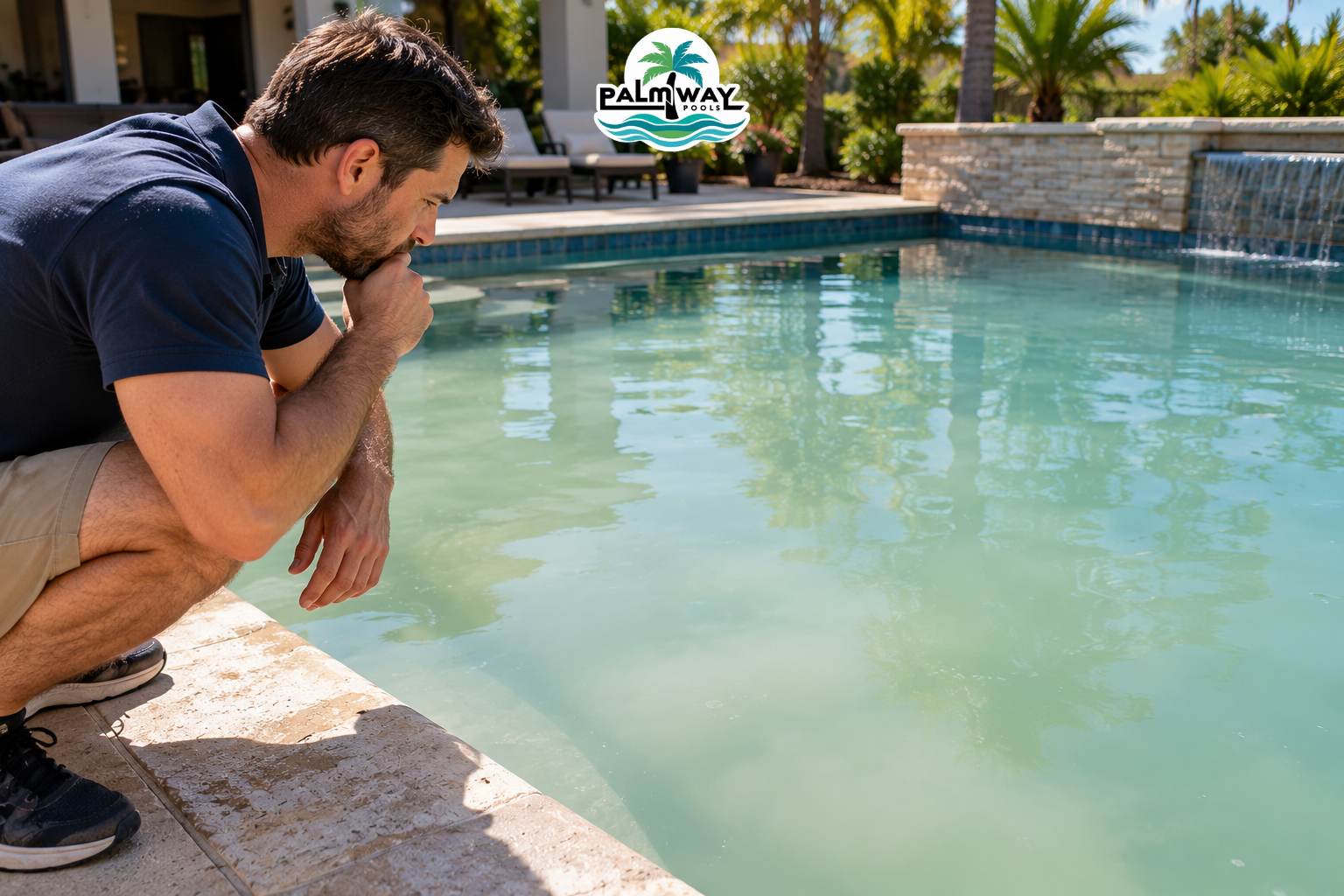
Dealing with cloudy pool water can be pretty annoying, especially after you've put in the effort to skim, brush, and clean it. Often, it's not just surface debris causing the issue. Something deeper might be affecting your pool's circulation, filtration, chemical balance, or even the equipment itself. If you've been trying to solve it on your own, this guide is here to help you figure out the common causes and what to do next.
For those seeking a cleaner and more dependable system, professional pool cleaning and ongoing pool service can make a big difference. It's not just about getting rid of visible dirt; it's about achieving clear, balanced water that stays that way. If cloudiness keeps coming back, there's usually a reason, and it can often be spotted before it turns into a bigger problem.
The U.S. Environmental Protection Agency says that keeping recreational water clean relies on proper disinfection, circulation, and regular maintenance. You can learn more about these water quality basics at EPA water resources. This same principle applies to pools: a clean look is only part of the equation. The real test is whether the water is filtered, sanitized, and moving as it should.
Why Does Pool Water Get Cloudy?
Fine Particles That Slip Through the Filter
One common reason for cloudy water is tiny debris that the filter can't catch. Dust, pollen, sunscreen residue, body oils, and small organic particles can build up in the water after regular use. Even if the pool looks clean on the surface, these particles might still be circulating.
When this happens, the water might look hazy or slightly milky instead of sparkling clear. At first, it might not seem like a big deal, but it usually gets worse as the particles keep recirculating. If this issue keeps coming back, a closer look at the filter and circulation system is needed. Sometimes, a pool filter replacement is the best fix.
Low Sanitizer Levels After Heavy Use or Weather
Sanitizer is crucial for pool clarity. When chlorine or another sanitizer drops too low, bacteria and organic matter can build up faster than the system can handle. This often happens after parties, storms, or hot weather when the pool is used more frequently. Even a recently cleaned pool can turn cloudy if the chemical balance shifts.
Public health experts, like those at the Centers for Disease Control and Prevention, stress the importance of proper disinfection in recreational water. Check out the CDC Healthy Swimming page for more details. If sanitizer levels are always low, it might mean the pool is overworked, the chemistry is unstable, or there's an equipment issue.
Circulation Problems Leading to Stagnant Water
A pool can look clean right after maintenance but still turn cloudy if the water isn't circulating well. Poor circulation means chemicals don't mix evenly, debris doesn't reach the filter, and dead spots develop where particles pile up. Issues like skimmer problems, blocked returns, weak pumps, or air in the lines can all contribute.
When circulation is weak, cloudy water often returns even after shocking or brushing the pool. This is why cloudiness should be seen as a system issue, not just a surface one. If circulation seems off, you might need pump repair before it leads to more expensive damage or ongoing water quality problems.
Filtration Problems That Lead to Persistent Cloudiness
Dirty or Worn Filters Reduce Clarity
Your filter is the first defense against fine debris. If it's clogged with dirt, oils, or old buildup, it can't trap new contaminants effectively. This can leave the water cloudy even after vacuuming or brushing. Many pool owners think cleaning the filter occasionally is enough, but filters wear down over time and lose their effectiveness.
Different filters—cartridge, sand, or DE—have various maintenance needs, and neglecting them can cause cloudy water. If you're cleaning the filter often but the water still looks hazy, the media might be damaged or simply worn out. In that case, a professional evaluation and possible pool filter replacement can restore the filter's performance.
Incorrect Filter Size or Undersized Equipment
Sometimes the issue isn't damage but mismatched equipment. A filter that’s too small for your pool's size or usage level might not handle the debris load. This can happen in larger pools, properties with frequent swimmers, or homes with nearby trees or dust. In these situations, the system might seem to work, but the water never gets as clear as it should.
If a filter is undersized, the solution might involve adjusting the system design instead of just cleaning more often. Reviewing the whole setup might reveal that the pump, filter, and return flow aren't balanced correctly. That's why homeowners often benefit from broader pool equipment repairs/upgrades when cloudiness is a recurring issue.
Backwashing or Cleaning May Not Be Enough
Backwashing, rinsing, or hosing off a filter can help temporarily, but those steps don't fix every problem. If the filter media is old, compacted, cracked, or chemically damaged, it might still let fine particles pass through. In that case, the pool can look clean for a day or two and then cloud up again. This pattern usually means the filter isn't doing its full job.
If your water clears up briefly and then clouds again, check the filter for internal wear, not just visible dirt. A technician might also look at return pressure and flow patterns to see if the whole circulation path is working right. For some homeowners, this leads to targeted pool service instead of repeated short-term fixes.
Chemical Imbalances That Make Water Look Hazy
pH Levels That Are Too High or Too Low
When pH drifts out of range, sanitizer becomes less effective, and the water can start looking dull or cloudy. High pH often leads to scale buildup and reduced chlorine performance, while low pH can cause corrosion and discomfort. Either way, cloudiness can be an early sign that the water isn't balanced properly.
Regular testing matters because pH can change quickly due to rain, swimmer load, or chemical additions. Many pool owners fix one issue but don't recheck the entire balance afterward, allowing haze to return. A steady maintenance routine, like ongoing pool service, helps keep all the chemistry in sync instead of chasing symptoms.
Alkalinity and Calcium Hardness Imbalances
Total alkalinity helps stabilize pH, while calcium hardness prevents the water from becoming too aggressive or scale-prone. If either level is off, the result can be cloudy water, scaling, or mineral precipitation. Sometimes, the cloudiness is tiny calcium particles or other dissolved solids coming out of solution.
This is especially important in areas where water conditions vary or where fill water introduces minerals over time. Pool owners often overlook these values because they're less visible than chlorine or pH, but they strongly influence clarity. If scaling or rough surfaces are present, a deeper maintenance step like pool drain and acid wash might be needed to reset the pool finish.
Shock Treatment Done at the Wrong Time or Amount
Shocking a pool can help eliminate contaminants but doesn't always clear cloudiness immediately. If too little shock is used, the water might not receive enough treatment to clear organic buildup. If too much is used, especially in already imbalanced water, the chemistry can become unstable, and the water can stay hazy longer than expected.
After shocking, the pool may need extra circulation and filtration before it clears. It's also important to allow the system enough runtime and to test again before adding more chemicals. If you're unsure whether your process is helping or hurting, expert water balancing and pool cleaning can prevent unnecessary chemical swings.
Equipment Issues That Hide Behind Cloudy Water
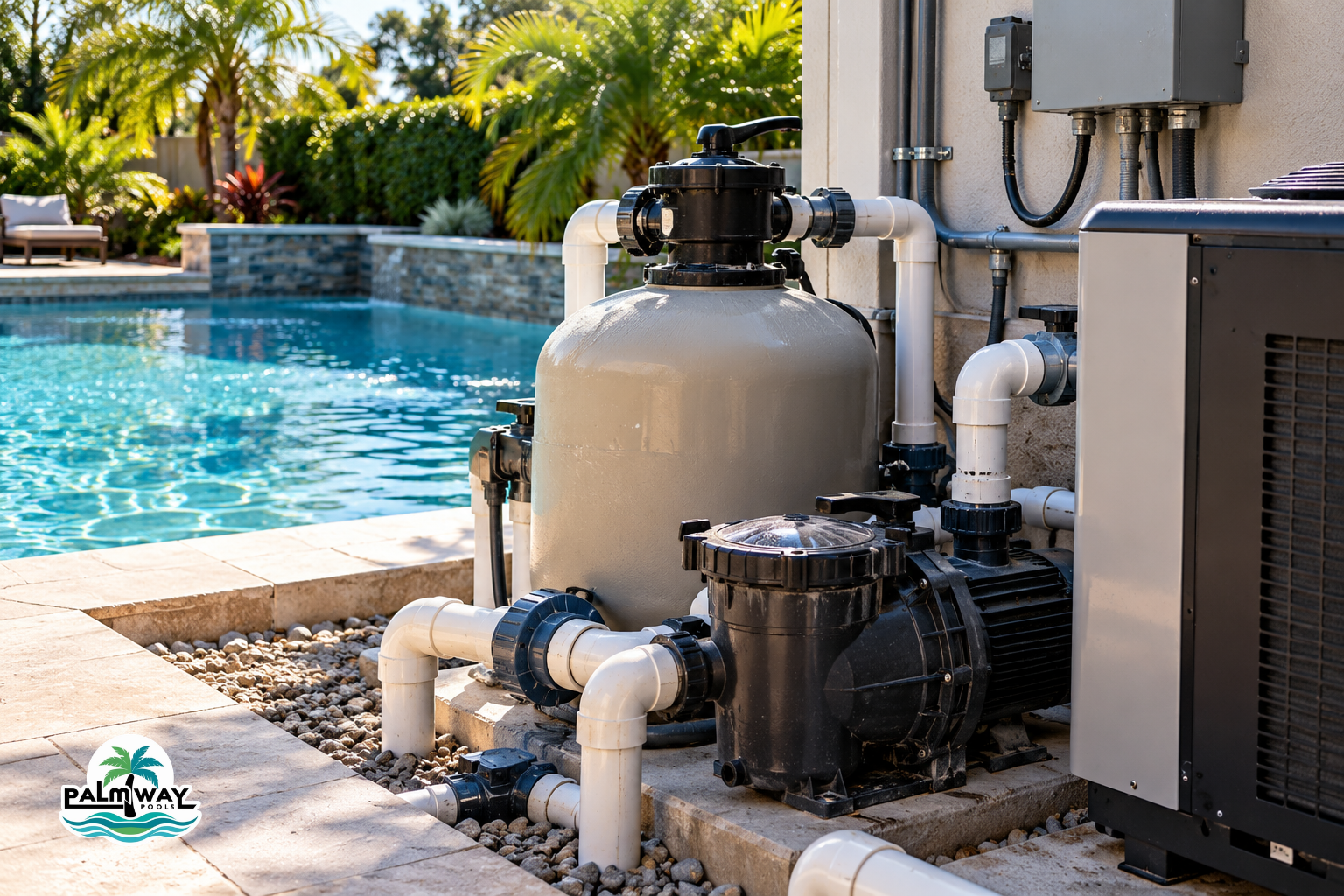
Pumps That Are Weak, Noisy, or Failing
A struggling pump reduces flow, weakens skimming, and lowers filter performance. Sometimes the pump still runs, so homeowners assume it's fine, but the water tells a different story. Weak circulation can leave dirt suspended in the water and stop chemicals from spreading evenly.
If the pump makes strange noises, loses prime, or runs hotter than normal, it might be contributing to the cloudiness. These symptoms shouldn't be ignored because pump problems often spread to other components if left unresolved. In many cases, prompt pump repair restores both clarity and overall system efficiency before more serious failure occurs.
Heater or Chlorination System Interference
Heaters and chlorination equipment can affect water clarity if they're malfunctioning or scaled up. A poorly functioning heater may not directly cause cloudiness, but mineral buildup inside can mess with the chemistry. Likewise, a salt system or chlorinator that isn't working properly can leave sanitizer levels too low.
These problems are often hidden because they don't always create obvious alarms at first. That's why a full equipment check is so useful when water quality problems don't respond to basic cleaning. Sometimes, pool heater repair or equipment calibration is the missing step between cloudy water and a truly clean, comfortable pool.
Leaks, Air Intrusion, and Pressure Loss
Leaks in the system can reduce pressure and lower the amount of water that passes through the filter. Air leaks may also create bubbles, sputtering returns, or inconsistent flow that makes the pool look less than clear. Even a small pressure problem can have a big visual effect when it continues day after day.
If the system is losing pressure, the filter might not be getting enough water through it to remove fine debris efficiently. This can make the pool seem dirty even after thorough cleaning. A complete equipment inspection and, if needed, pool equipment repairs/upgrades can identify and fix these hidden issues before they become larger expenses.
Weather, Use, and Environmental Factors That Keep Cloudiness Coming Back
Rain, Runoff, and Debris Load
Heavy rain can dilute sanitizer, wash contaminants into the pool, and disrupt the balance you've worked hard to maintain. Runoff from nearby landscaping can also introduce pollen, soil, and organic material that clouds the water quickly. In coastal and storm-prone areas, this can happen repeatedly even when the pool is otherwise well maintained.
That's why some pools look great after cleaning but go cloudy again within a few days of bad weather. If this sounds familiar, you might need not just cleaning but a preventive care plan that accounts for local conditions. Consistent attention through pool service helps the system recover faster and stay stable between weather events.
Frequent Swimming and Body Oils
Busy pools collect more sweat, sunscreen, makeup, hair products, and other residue. These substances may not be visible in large amounts, but they can bind with sanitizer and make the water harder to keep clear. This is especially true for family pools, rental properties, and shared community pools where usage patterns are inconsistent.
When swimmer load increases, maintenance must increase too. That may mean more frequent brushing, testing, and cleaning cycles to prevent buildup from becoming a recurring problem. Professional spa & hot tub maintenance can be just as important in smaller water features, where heavy use can cloud water very quickly.
Nearby Trees, Dust, and Outdoor Exposure
Outdoor pools are always exposed to the environment, but some properties collect more debris than others. Trees, grass clippings, blowing dust, and construction particles can all contribute to cloudiness. Even if the pool is covered part of the time, fine dust and pollen can still enter when the cover is off.
The good news is that environmental cloudiness is manageable when circulation, filtration, and cleaning are synced. Regular sweeping, skimming, and vacuuming help, but they work best when supported by solid equipment performance. If the debris load is constant, pool cleaning combined with better filtration habits usually delivers the most reliable result.
What to Check When Your Pool Is Still Cloudy
Use a Step-by-Step Troubleshooting Approach
If your pool water stays cloudy after cleaning, start with the basics and move toward more complex issues. First, test sanitizer, pH, alkalinity, and calcium levels. Then check skimmers, baskets, return flow, and pump performance. After that, inspect the filter for clogs, wear, or poor flow.
This order matters because it prevents wasted time and chemicals. Many pool owners try random fixes without knowing if the problem is chemical, mechanical, or environmental. A structured troubleshooting process helps identify the real cause faster and reduces the chance of making the water worse instead of better.
Look for Patterns Instead of Single Bad Days
One cloudy afternoon doesn't always mean a system failure. What matters is whether the cloudiness repeats after cleaning, rain, high use, or after equipment runs for several hours. Patterns tell you much more than a single snapshot. If the water worsens consistently at the same times, the cause is probably predictable and fixable.
Keeping a simple log of chemistry readings, weather events, and equipment behavior can reveal useful trends. This is especially helpful for property managers and busy homeowners who need a dependable maintenance plan. When those patterns are clear, it becomes much easier to decide whether you need a quick adjustment or a more permanent service solution.
Know When to Stop Troubleshooting and Call a Pro
There's a point when repeated testing stops being efficient and starts getting frustrating. If you've already balanced the water, cleaned the filter, run the pump, and brushed the pool, but the cloudiness returns, the issue may require deeper inspection. That may include checking circulation design, hidden leaks, worn media, or failing equipment.
At this stage, professional service is often the smartest move because it saves time and protects the rest of the pool system. A trained technician can test performance under load, inspect hardware, and recommend the most cost-effective fix. For many pool owners, that means fewer chemicals, less stress, and a cleaner pool that's ready to enjoy.
How Professional Pool Care Solves Repeating Cloudiness
Better Diagnostics Mean Better Results
A professional approach starts by finding the cause, not just treating the symptom. Instead of adding more chlorine every time the water looks dull, a technician checks the system as a whole. That often reveals the real issue much faster, whether it's circulation, filtration, chemistry, or equipment wear.
For example, a pool may appear cloudy because the pump isn't moving enough water to support the filter. In another case, the filter might be functional but clogged with buildup that normal cleaning can't remove. Professional diagnosis helps homeowners avoid trial-and-error spending and focuses effort where it will work.
Routine Care Prevents Small Problems from Becoming Big Ones
Cloudy water often starts as a small imbalance or maintenance gap. Over time, that small issue can lead to scaling, algae growth, equipment strain, and higher repair costs. Preventive care is much easier and less expensive than trying to recover a pool after the problem has spread.
That's why many homeowners choose recurring service instead of reacting to every symptom separately. Consistent care through pool service and targeted visits for problem areas create a more reliable long-term result. It also reduces wear on pumps, filters, heaters, and sanitizing systems, which helps the entire pool last longer.
When Equipment Replacement Is the Smarter Choice
Sometimes cloudiness keeps coming back because the equipment is simply too old or inefficient. A worn pump might not circulate enough water, and an aging filter may no longer trap fine debris well. In those cases, repairs may only provide a short reprieve before the same issue returns.
Replacing failing equipment can restore clarity and reduce operating costs at the same time. If repeated service calls aren't solving the problem, a professional may recommend a more durable fix like pump replacement or a broader equipment upgrade. That can be the most practical way to stop the cycle of cloudy water once and for all.
Frequently Asked Questions About Cloudy Pool Water
How Long Should It Take for a Pool to Clear After Cleaning?
In many cases, a properly balanced and filtered pool should begin looking better within hours and continue improving over one to two days. If the water stays cloudy longer than that, there's likely an unresolved issue with chemistry, circulation, or filtration. The exact timing depends on how severe the cloudiness is and how well the system is functioning.
If the pool has been shocked, brushed, and vacuumed but still looks dull after full filtration cycles, the problem may be more than routine dirt. A professional inspection can determine whether the filter needs service, the water chemistry needs correction, or the pump is underperforming. That's often the fastest way to restore normal clarity.
Can Cloudy Water Be Unsafe?
Yes, cloudy water can be a warning sign that the water isn't properly sanitized or filtered. Even if it doesn't look severe, reduced clarity can make it harder to maintain safe recreational water conditions. Health authorities routinely stress that good circulation and disinfection are essential for swimmer safety.
If cloudiness is paired with odor, irritation, or slippery surfaces, the problem should be addressed immediately. The CDC's guidance on healthy swimming explains why water quality matters for preventing illness and maintaining safe pool use. In short, cloudy water should never be treated as just a cosmetic issue.
Why Does My Pool Look Cloudy After Shocking?
Shocking can stir up particles, raise suspended material, or temporarily alter chemistry before the water settles. If the filtration system isn't strong enough, those particles may stay in the water and create a hazy appearance. Sometimes the shock itself isn't the issue; the problem is that the pool needs more circulation or filtration time afterward.
If the water remains cloudy after a shock treatment, it's a sign to test the chemistry again and evaluate the filter. You may also need to brush and run the system longer than usual. If the cycle keeps repeating, the underlying issue is probably mechanical or chemical rather than chemical dosage alone.
Final Thoughts: Clear Water Comes from the Whole System Working Together
Cloudy pool water after cleaning is usually a clue that something deeper is off. It might be a chemistry imbalance, a filter that needs attention, weak circulation, weather-related debris, or equipment that isn't performing well. The key is to look beyond the surface and find the root cause instead of relying on temporary fixes.
If you're dealing with repeated cloudiness, Palmway Pools - Pool Cleaning Services can help you get to the bottom of the issue with professional care, equipment checks, and dependable maintenance support. Whether the solution is pool cleaning, pump repair, pool filter replacement, or a full system evaluation, the right service can save time and restore confidence in your water. To learn more or schedule help, visit Palmway Pools or call (844) 307-1680 for expert support.
If your pool keeps looking cloudy no matter how often you clean it, don't settle for frustration and guesswork. Get a professional assessment, protect your equipment, and enjoy water that looks clear, feels better, and stays ready for use.