Keeping your pool water clean and clear starts with a well-maintained filter. When your pool filter gets clogged, worn out, or just plain overdue for a check-up, it can make the rest of your pool system work overtime. This often leads to cloudy water, increased chemical use, and unnecessary wear and tear on your equipment. If you're a homeowner looking for dependable pool cleaning and care, knowing when to clean or replace your filter is a smart way to protect your pool.
This guide will break down how often different filter types need maintenance, what warning signs to keep an eye on, and how local conditions might change your schedule. We'll also cover best practices for routine care, when to replace a filter, and when it's time to call in professional help with pool service. Whether you're managing a residential pool, a rental property, or a spa setup, having the right filter maintenance schedule keeps your water balanced and your equipment running smoothly.
Why Pool Filter Maintenance Matters
Cleaner Water and Better Circulation
Your pool filter is like the unsung hero that catches dirt, sunscreen residue, leaves, pollen, oils, and tiny particles that can make your water look dull or unhealthy. When the filter is working well, circulation improves, helping sanitizers to do their job more effectively. This means less strain on your pump and fewer issues with cloudy water or buildup.
According to the U.S. Centers for Disease Control and Prevention, proper pool operation plays a big role in keeping recreational water safe and enjoyable; you can check out their guidance at CDC Healthy Swimming. A strong maintenance routine supports these goals by reducing contaminants before they become a bigger issue.
Protecting Equipment from Avoidable Damage
A neglected filter can increase pressure throughout the system, restrict water flow, and force other equipment to work harder than it should. Over time, this can lead to pump strain, heater inefficiency, and more frequent service calls. Routine filter care is usually much cheaper than repairing a system that's been under stress for too long.
Maintenance is part of total pool equipment care, not just a water-quality task. If you notice weak circulation, noisy equipment, or recurring debris after cleaning, it might be time to consider a broader inspection or pool equipment repairs and upgrades.
How Often Should You Clean a Pool Filter?
Use Pressure Readings as Your Guide
One of the best ways to know when to clean a pool filter is to watch the pressure gauge. It's generally recommended to clean the filter when the pressure rises 8 to 10 psi above the clean baseline. This method is reliable because it reflects actual system resistance rather than relying solely on a calendar.
Of course, the timing also depends on how often the pool is used, how much debris ends up in the water, and whether the pool is near trees, landscaping, or windy areas. A pool that looks fine on the surface may still need its filter checked.
Factors Affecting Cleaning Frequency
How you use your pool makes a big difference. A pool used daily by a family, guests, or renters will need more frequent filter care than a lightly used backyard pool. Environmental factors play a role too, especially in places with heavy pollen, rain, storms, or blowing debris.
The warm, humid climate in Florida can speed up algae growth and increase debris load after storms. If you need help adjusting maintenance to seasonal conditions, a local expert can tailor a plan through Treasure Island pool cleaning and maintenance. Often, summer schedules require more frequent checks than cooler or drier months.
Filter Type Breakdown: Cartridge, Sand, and DE
Cartridge Filters
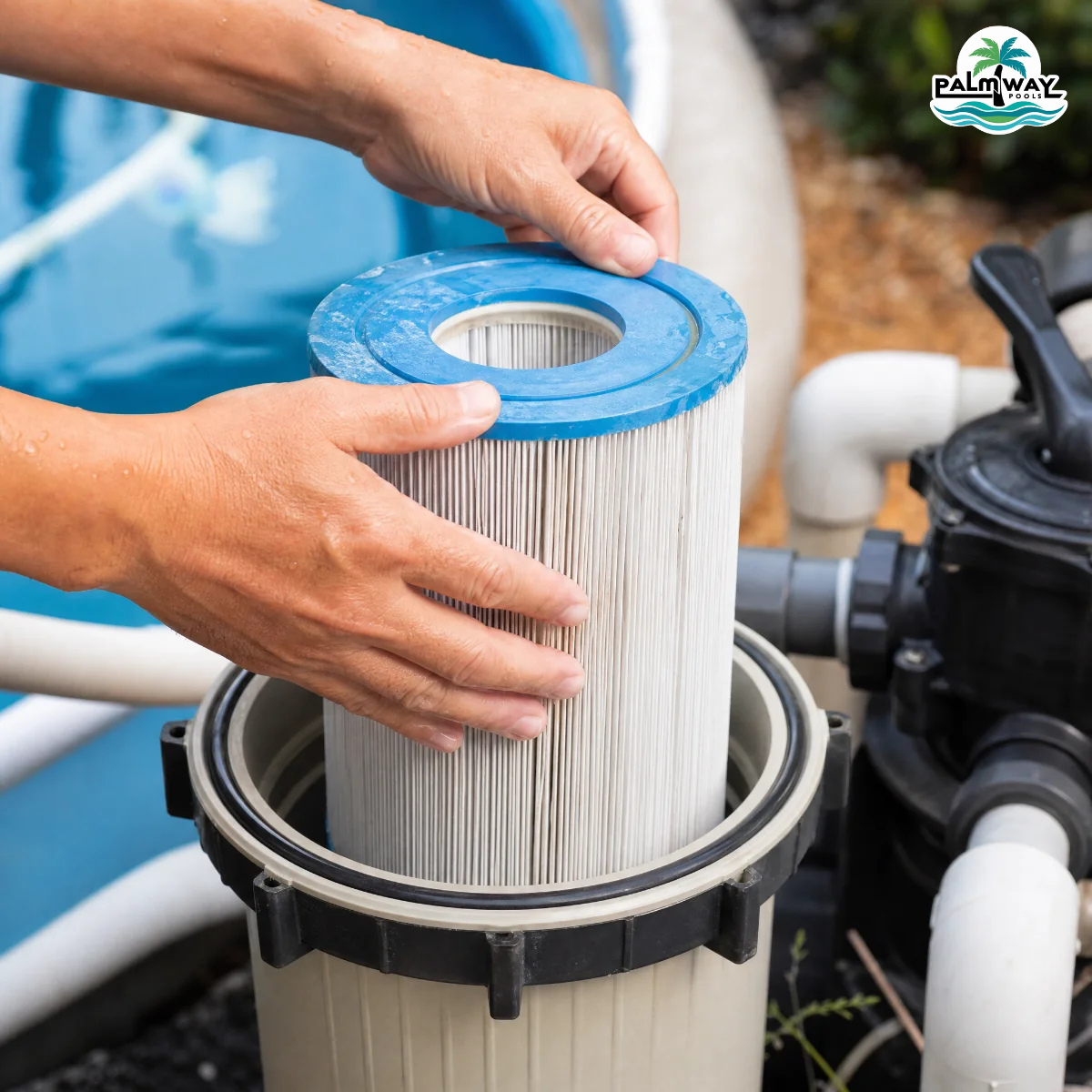
Cartridge filters are popular because they are relatively easy to maintain and offer good fine-particle filtration. Generally, they should be cleaned every 2 to 6 weeks during the swimming season, depending on usage and debris levels. Replacement is typically needed every 1 to 2 years, although well-cared-for cartridges can last longer.
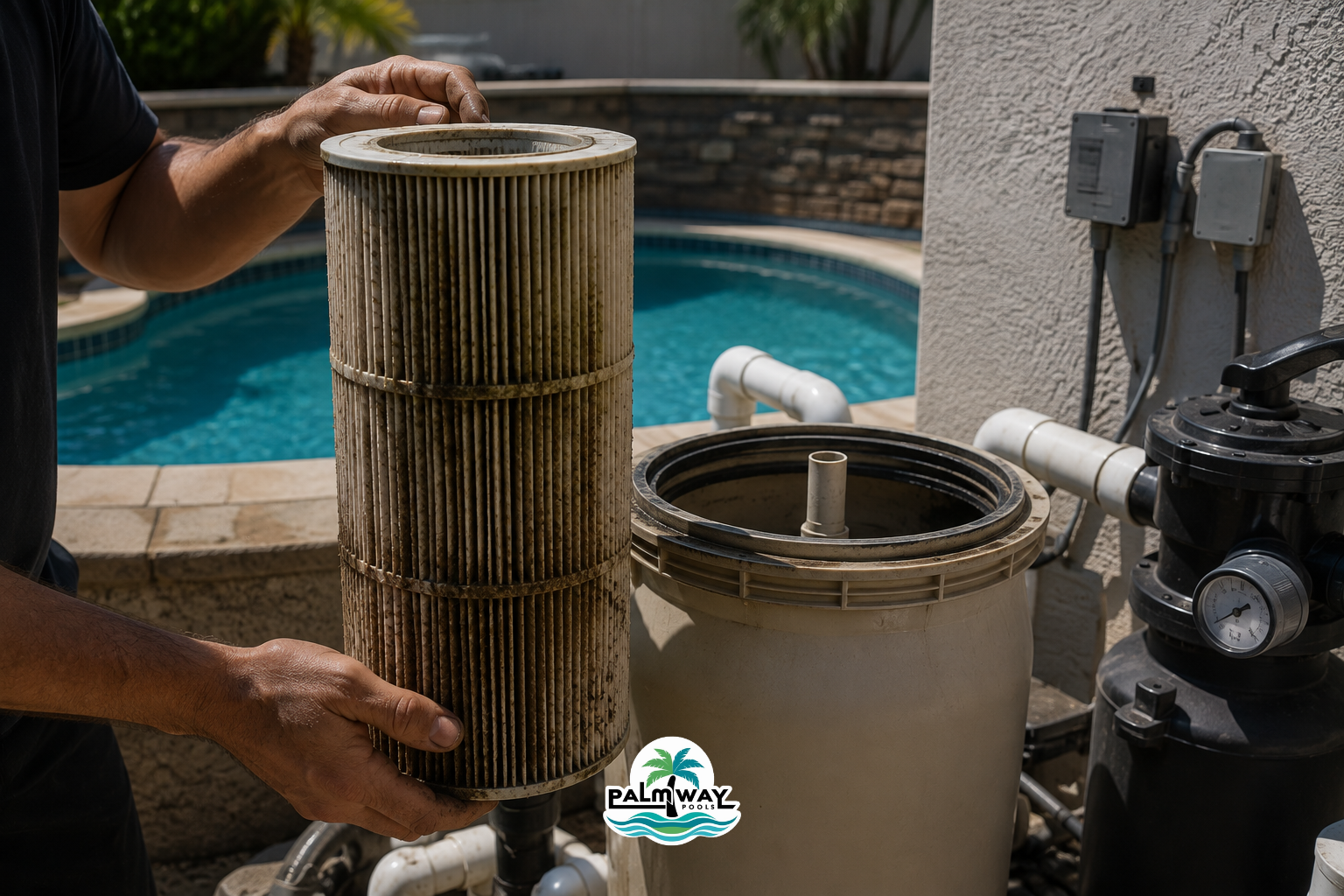
Signs of trouble include reduced flow, frequent pressure spikes, and cartridges that stay discolored or clogged even after cleaning. If a cartridge becomes brittle, cracked, or cannot return to normal performance after washing, replacement is usually the best choice. In that case, pool filter replacement can restore efficiency and simplify upkeep.
Sand Filters
Sand filters are known for their durability and straightforward operation. They generally require backwashing every 2 to 6 weeks, with a deeper cleaning once or twice a year. The sand media itself usually needs replacement every 3 to 5 years, depending on use, water chemistry, and how often the system is maintained.
Over time, sand can become compacted, coated with oils, or worn down so it no longer traps debris effectively. When that happens, backwashing may no longer solve the problem. A professional inspection can determine whether the issue is the sand, the multiport valve, or a broader circulation problem linked to pump repair.
DE Filters
DE, or diatomaceous earth, filters offer very fine filtration and can produce excellent water clarity when maintained properly. They usually need backwashing every 4 to 8 weeks and a full teardown cleaning once or twice a year. DE grids should generally be replaced every 3 to 5 years, depending on wear and water conditions.
Because DE filters require more detailed handling, many owners prefer a professional to assist with teardown cleaning or replacement. If you're not comfortable disassembling filter components or recharging the system correctly, a service visit can prevent mistakes and save time.
Signs Your Pool Filter Needs Attention
Cloudy Water and Visible Debris
Cloudy water is one of the most common signs that a filter is struggling. If the pool still looks hazy after balancing chemicals and brushing the surfaces, filtration might be the missing piece. Visible debris returning quickly after cleaning is another clue that the filter isn't capturing particles efficiently.
Sometimes, the problem isn't just the filter. Poor circulation, a weak pump, or leaks can all reduce performance. Recurring clarity problems should trigger a broader evaluation, especially if your pool already receives routine care through pool cleaning.
Higher Pressure or Reduced Flow
A clean filter operates within a normal pressure range. If the pressure climbs well above baseline, water has a harder time passing through the media, which usually means the filter needs cleaning. On the flip side, a sudden drop in pressure can indicate a leak, broken component, or pump-related issue.
Reduced return flow, weak skimmer action, or longer-than-usual pump cycles can all signal that the filter isn't performing as expected. If these issues continue after routine cleaning, a professional diagnostic can determine whether maintenance, repair, or replacement is the next step.
Unusual System Behavior
Sometimes the clues are subtle. You might notice air bubbles, strange pump noises, frequent priming issues, or inconsistent water circulation. These symptoms can point to blocked filter media, worn internal parts, or a pump working too hard against resistance.
According to the NSF, filtration and system performance standards are central to safe water treatment equipment. While pool systems aren't the same as drinking water systems, the same principle applies: equipment should operate within the design range to stay effective and dependable.
How to Build a Smart Maintenance Schedule
Start with a Clean Baseline
The best maintenance schedule begins with a documented clean pressure reading. After a thorough cleaning or installation, note the pressure shown on the gauge. From there, track any increase over time to know when the filter is approaching the 8 to 10 psi threshold.
This simple habit takes the guesswork out of maintenance and helps prevent overcleaning or undercleaning. It also gives you a useful history if you later need to compare seasonal changes or diagnose a recurring issue.
Adjust for Season, Weather, and Usage
Pool maintenance isn't one-size-fits-all. Heavy swimming traffic, nearby trees, construction dust, and storm debris can all shorten the interval between cleanings. In humid coastal areas, algae growth and frequent rainfall can also place more demand on the filter.
A good schedule may look like this: routine pressure checks weekly, filter inspections every few weeks, and deeper service before and after peak swim season. If you provide care for multiple properties, a customized plan through pool service can help keep each system on track without unnecessary disruption.
Record Maintenance Over Time
Writing down cleaning dates, pressure readings, and replacement intervals makes it easier to spot patterns. If your cartridge always clogs after major storms or your sand filter loses efficiency faster than expected, those notes reveal useful trends. They also help identify whether your pool environment is changing.
Detailed records can also make service faster and more accurate when a technician visits. Instead of starting from scratch, the technician can use your history to determine whether the filter is nearing the end of its life or simply overdue for routine care.
When to Replace Instead of Clean
Physical Wear and Damaged Components
Cleaning can only do so much if the filter media or internal parts are worn out. Cartridge tears, cracked end caps, broken grids, damaged laterals, and worn seals are all strong signs that replacement may be more cost-effective than continued cleaning. If the filter can't hold pressure or capture debris properly, it has likely reached its practical limit.
Replacement is also the better option when cleaning restores performance only briefly. If the same pressure spike or water-quality issue returns quickly, the system may be telling you the media is no longer functional.
Age-Based Replacement Guidelines
As a general reference, cartridge filters often last 1 to 2 years, sand media 3 to 5 years, and DE grids 3 to 5 years. These ranges are helpful, but they're not absolute rules. Water chemistry, frequency of use, and maintenance habits all influence how long components truly last.
For older equipment, a replacement may also improve energy efficiency and reduce repair calls. If you're trying to decide whether to keep repairing an aging setup or upgrade to a newer system, reviewing pool filter replacement options alongside broader equipment concerns is often the smartest approach.
Eco-Friendly and Modern Maintenance Trends
Better Materials and Longer Service Intervals
Recent filter designs often use improved materials, stronger seams, and more efficient internal layouts that can extend cleaning intervals. Many modern systems are designed to offer better capture rates while reducing the amount of backwashing or water used during maintenance. This is good for both convenience and resource conservation.
For pool owners, that means fewer interruptions and potentially lower operating costs over time. It also supports a more sustainable approach to pool care, especially when paired with responsible chemical use and regular inspection.
Reduced Water Waste and Safer Cleaning Products
Eco-friendly maintenance is becoming more common across the industry. That includes using biodegradable cleaning agents where appropriate, minimizing unnecessary backwashing, and avoiding overuse of harsh chemicals. These practices protect the pool environment while helping maintain clearer, more stable water.
The U.S. Environmental Protection Agency offers general guidance on water stewardship and pollution prevention that reinforces the value of reducing waste wherever possible. In pool care, thoughtful maintenance is one of the easiest ways to stay efficient without sacrificing quality.
Smart Monitoring and Service Planning
Technology is also making maintenance easier to track. Pressure gauges, automated systems, and service reminders help owners identify when attention is needed before problems become expensive. For properties with busy schedules or seasonal occupancy, digital reminders can be especially useful.
When used well, these tools don't replace inspection; they support it. The best results still come from a combination of equipment awareness, visual checks, and timely service from a trusted local provider.
Real-World Example: A Pool in a Heavily Wooded Area
The Problem
A residential pool surrounded by mature trees experienced frequent clogging, dull water, and rising pressure every few weeks. The owner initially cleaned the filter only when the pool started to look dirty, which meant the system was often already under strain by the time maintenance happened. Debris from nearby trees made the problem worse after windy weather.
Because the filter was not being serviced on a pressure-based schedule, the water clarity bounced up and down instead of staying consistently clean. The pump also seemed louder and less efficient than before.
The Solution
After switching to a more structured schedule, the owner began checking pressure weekly and cleaning the filter when it rose 8 to 10 psi above baseline. The sand media was also replaced at the recommended interval rather than waiting until the pool became visibly cloudy. This reduced clogging and made the system much more predictable.
In the end, the pool regained steady clarity, chemical demand dropped, and the equipment lasted longer. For homeowners facing similar conditions, a tailored maintenance plan from pool service can make the same kind of difference.
Frequently Asked Questions About Pool Filter Care
How Do I Know When to Clean My Pool Filter?
Check the pressure gauge and compare it to your clean baseline. If pressure has risen by 8 to 10 psi, it's usually time to clean the filter. You should also pay attention to reduced flow, cloudy water, and debris that returns quickly after cleaning.
Can I Clean My Pool Filter Myself?
Yes, many routine cleaning tasks can be handled by pool owners if they follow the correct steps and safety precautions. Cartridge filters are often the easiest to manage, while DE filters may require more technical knowledge. For deep cleaning or replacement, professional help is often the safer choice.
What Happens If I Ignore Filter Maintenance?
Ignoring maintenance can lead to poor water clarity, higher sanitizer demand, more stress on the pump, and potential damage to other equipment. Over time, the system may use more energy and require more expensive repairs. Regular attention is much more affordable than waiting for a breakdown.
Should I Clean After Every Storm?
Not every storm requires a full cleaning, but heavy rain, high winds, and visible debris can quickly load the filter. If storms are frequent in your area, it's smart to check the pressure and inspect the filter more often than usual. This is especially useful for properties that already experience seasonal debris buildup.
How Palmway Pools Helps Keep Filters on Track
Routine Care and Local Expertise
For pool owners who want dependable support, professional maintenance removes the uncertainty from filter care. A trained technician can inspect the filter, check pressure readings, clean or backwash the system, and identify early signs of wear before they turn into larger problems. This is especially valuable for busy households, rental properties, and commercial spaces.
Palmway Pools provides local pool care designed around real-world conditions, including weather, debris, and heavy use patterns. If your system needs ongoing support, pool cleaning and filter replacement services can be coordinated as part of a broader maintenance plan.
Service That Supports Long-Term Value
Good maintenance isn't just about cleaner water today. It's about extending equipment life, reducing repair risk, and keeping the pool ready whenever you need it. With the right schedule, even a high-use pool can stay clear and efficient through changing seasons.
If you're unsure whether your filter needs cleaning, replacement, or a full system check, it's better to act early than wait for obvious problems. A proactive approach saves time, money, and frustration.
Conclusion: Build a Filter Schedule That Works
The answer to how often you should clean or replace your pool filter depends on the type of filter, the level of use, and the environment around the pool. Cartridge filters often need cleaning every 2 to 6 weeks and replacement every 1 to 2 years. Sand filters usually need backwashing every 2 to 6 weeks, media replacement every 3 to 5 years, and a deeper annual cleaning. DE filters generally require backwashing every 4 to 8 weeks, teardown cleaning once or twice a year, and grid replacement every 3 to 5 years.
The most reliable approach is to monitor the pressure gauge, watch for changes in flow and water clarity, and adjust your schedule based on real conditions rather than guesswork. If your filter is aging, damaged, or no longer restoring performance after cleaning, replacement may be the smarter investment. For expert help keeping your system in top shape, consider professional pool service and consistent maintenance support.
If you want cleaner water, lower stress on your equipment, and a maintenance plan that fits your pool’s needs, now is the right time to take action. Contact Palmway Pools to schedule service, request a filter inspection, or build a maintenance plan that keeps your water clear all season long.