Your pool pump is like the heart of your pool's circulation system. When it starts acting up, you might notice the water quality dropping, chemical balance issues, and other pool equipment working overtime. But if you know what signs to look for, you can step in early, avoid bigger repairs, and keep your pool ready for a swim.
In this guide, we’re going to talk about the common signs your pool pump might need some TLC or even replacement. We’ll also cover how you can troubleshoot problems safely and when it might be time to upgrade your equipment. Plus, we'll share practical maintenance tips and explain how professional help, like pump repair and pump replacement, can save you time and headaches.
Keeping your pump in good shape supports the rest of your pool care too. If your water is already struggling with debris, a cloudy look, or weak circulation, pairing pump service with pool cleaning and regular pool service can make a world of difference. For some background on how circulation affects sanitizer performance, check out the U.S. Environmental Protection Agency's pool water guidance at EPA.gov.
Why Pool Pump Health Matters
Circulation Keeps Water Balanced
A pool pump does more than just move water around. It pushes water through the filter, helps spread chemicals evenly, and keeps debris from settling in corners and on the pool floor. Without steady circulation, chlorine and other sanitizers don’t spread properly, which can lead to cloudy water, algae growth, and skin irritation for swimmers. A weak pump can create a domino effect that impacts the whole system.
One Failing Part Can Strain the Whole System
If the pump isn’t pulling its weight, the filter might clog faster, the heater might not get enough flow, and returns could lose pressure. This means a small issue can quickly snowball into a bigger one. Sometimes, owners notice poor water quality first, while other times they might hear strange noises or see leaks before realizing there's a circulation problem. The key is to see these symptoms as early warnings, not minor annoyances.
Preventive Attention Lowers Long-term Costs
Regular checks can help you avoid emergency repairs and make your equipment last longer. A pump that’s regularly cleaned, inspected, and serviced usually runs better and uses less energy than one that’s been neglected. If your system is already showing signs of wear, scheduling pool equipment repairs and upgrades can help get things back on track before major damage sets in. Regular equipment checks are part of responsible pool ownership, as emphasized by the Association of Pool & Spa Professionals.
Common Signs Your Pool Pump May Need Repair
Strange Noises During Operation
If you hear grinding, screeching, rattling, or humming sounds, something’s probably wrong. A motor bearing might be worn out, the impeller could be clogged, or some internal parts might be loose. While some noise can happen during startup, loud or persistent sounds aren’t normal. If the noise keeps getting worse, the problem is likely progressing and should be checked out soon.
Weak Water Flow or Poor Circulation
One clear sign of pump trouble is reduced water movement. You might notice weaker returns, less surface agitation, or more debris settling in the pool. Weak circulation can be due to a clogged basket, blocked impeller, failing motor, or air entering the system. If cleaning the skimmer and pump basket doesn’t fix the issue, the pump likely needs a professional look.
Leaking Around the Pump Housing
Leaks should never be ignored. Water around the pump might mean a bad seal, cracked housing, worn O-rings, or loose fittings. Even a small leak can damage nearby electrical parts, lower pump efficiency, and create safety risks. If you spot puddles, moisture, or corrosion, shut the system down and check it before turning it back on. Running the pump with a leak can lead to pricier repairs later.
Frequent Loss of Prime
If your pump keeps losing prime, it’s having trouble keeping air out of the system. This can be due to suction-side leaks, a dirty basket, a damaged lid seal, or plumbing issues. Without a steady prime, the pump can’t move water consistently, leading to poor filtration and overheating, especially during long runs or hot weather.
Signs the Pump Motor May Be Failing
It Struggles to Start or Shuts Off Unexpectedly
If your pump hesitates at startup or shuts off without warning, the motor might be overheating or close to failing. Electrical problems, capacitor issues, worn bearings, or age-related wear can all be culprits. Sometimes, the motor might run, but only for short periods before stopping. These are signs you shouldn’t ignore.
It Runs Hot to the Touch
Excess heat is often a sign that internal parts are overworked. A hot motor might be dealing with poor ventilation, low voltage, worn components, or restricted water flow. If the pump is unusually hot after a normal run cycle, turn it off and check for blockages or mechanical issues. Persistent overheating often means repair is needed soon, and sometimes replacement is the safer choice.
It Makes a Strong Burning Smell
A burning odor can mean electrical damage, overheating wiring, or motor failure. This should be treated as urgent because it could be a safety hazard. Don’t keep restarting the pump hoping it’ll fix itself. Electrical issues should be handled by someone who knows pool systems and follows code-compliant practices.
When Cleaning Is Not Enough
Debris Removal Only Solves Part of the Problem
Sometimes, pool owners think a clogged basket or dirty impeller is the only issue, and in minor cases, that might be true. But if the same symptoms keep coming back after cleaning, the pump might have a deeper mechanical fault. Repeated clogs, trapped air, and declining pressure often point to worn internal components or plumbing problems. That’s when basic cleanup stops being enough.
Filtration Problems Can Mimic Pump Failure
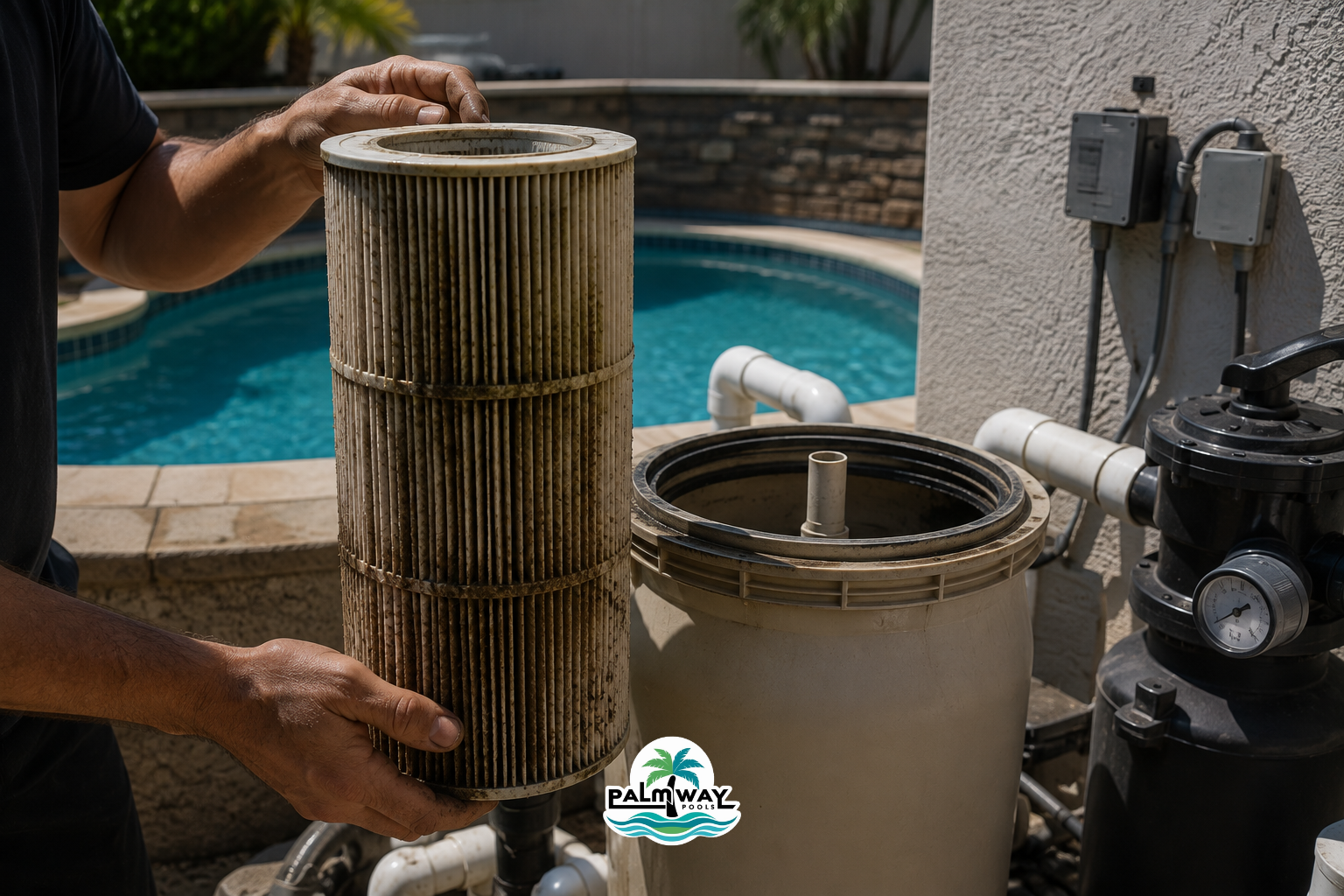
A dirty filter can make it seem like the pump is weak when the real issue lies elsewhere. If the pump is running but water still looks dull or moves slowly, the filter might be restricting flow. In that case, combining pump inspection with pool filter replacement or filter service might be the right move. A system works best when circulation, filtration, and chemistry are all on point.
Water Quality Tells an Important Story
Cloudy water, recurring algae, and stubborn debris are often hints that circulation isn’t strong enough. According to the CDC’s healthy swimming resources at CDC.gov, proper circulation and disinfection are essential to keeping recreational water safe. If your pump can’t maintain the flow needed for good sanitation, the pool may look clean for a day or two and then quickly slip back into trouble.
Repair or Replacement: How to Decide
Consider the Age of the Pump
Most pool pumps don’t last forever. As a pump gets older, parts wear down, and repairs become more frequent. If your pump is relatively new and the issue is isolated, repair is often the most practical option. But if the unit is already near the end of its service life, replacement might offer better value over time.
Compare the Cost of Repair to the Cost of Replacement
If repair costs start getting close to a significant portion of replacement cost, it might be worth considering an upgrade. A motor replacement, seal replacement, and labor can add up quickly. Sometimes, a newer pump might offer better energy efficiency and lower operating costs, helping offset the initial investment. That’s especially important for households that run the system daily or for long periods in warm weather.
Look at Performance History
If the pump has needed multiple fixes in a short time, that pattern often points to underlying wear rather than one simple issue. Frequent prime loss, repeated noise, and lingering leaks suggest the system is becoming unreliable. For older equipment, a replacement can reduce future downtime and protect surrounding components from strain. If you’re already considering broader improvements, a full equipment upgrade might be the smarter path.
Practical Troubleshooting Steps Homeowners Can Try
Check the Basket and Skimmer First
Start with the simplest possible issues. Clear leaves, twigs, and debris from the skimmer and pump basket, then make sure the lid is seated properly. A clogged basket can reduce flow quickly and make the pump work harder than necessary. This basic step often restores normal operation, especially after storms or heavy use.
Inspect for Obvious Air Leaks
Look for air bubbles in the pump lid, return lines, or visible fittings. Air inside the system can cause noisy operation and prime loss. Tightening a lid, replacing a worn gasket, or checking suction-side fittings might solve the issue if the leak is minor. If the bubbles return or the pump keeps losing prime, the source might be farther inside the plumbing.
Watch Pressure and Flow Changes
Changes in pressure gauge readings, return strength, or basket filling speed can reveal a lot about what the pump is doing. A sudden pressure drop might point to suction-side restrictions or a failing impeller. A gradual decline over time often suggests wear or buildup. Keeping a simple log of these changes can help you and your technician identify a pattern sooner.
How Professional Pool Service Helps
Technicians Spot Hidden Problems Early
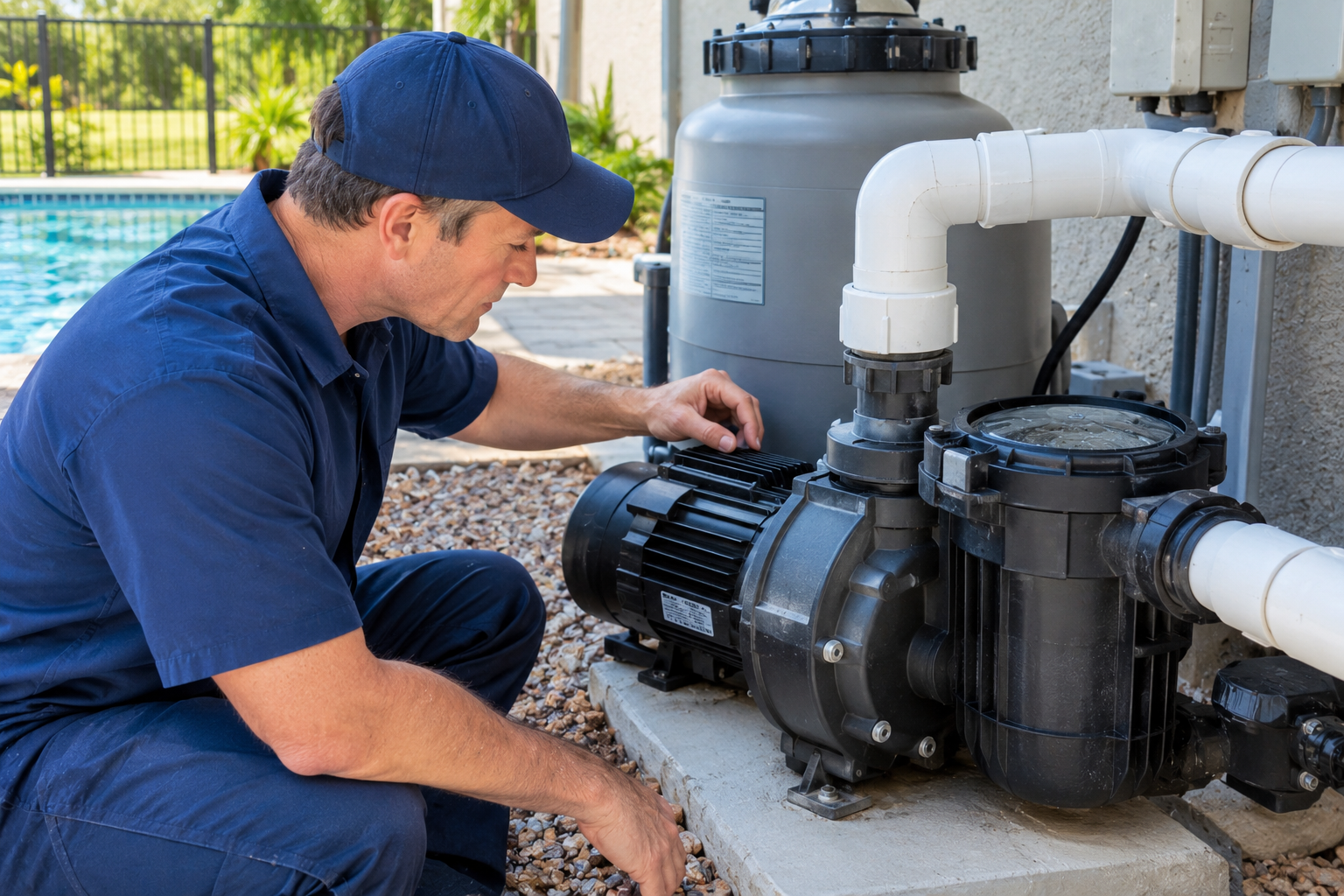
Experienced pool professionals can diagnose issues that aren’t obvious to the average homeowner. They know how to tell the difference between electrical failure, seal wear, plumbing restrictions, and filter problems. A trained eye can often determine whether a repair will provide a lasting fix or whether replacement is already the better option. That can save time, avoid guesswork, and reduce unnecessary parts swapping.
Ongoing Service Supports Pump Life
Routine care helps keep the pump from being overworked. Clean baskets, balanced water, clear filters, and proper run time all reduce stress on the equipment. If your pool needs dependable attention, pool service can provide ongoing support while catching small issues before they become expensive. For many homeowners, that consistency is the difference between a smooth season and repeated interruptions.
Specialized Repair Protects Connected Equipment
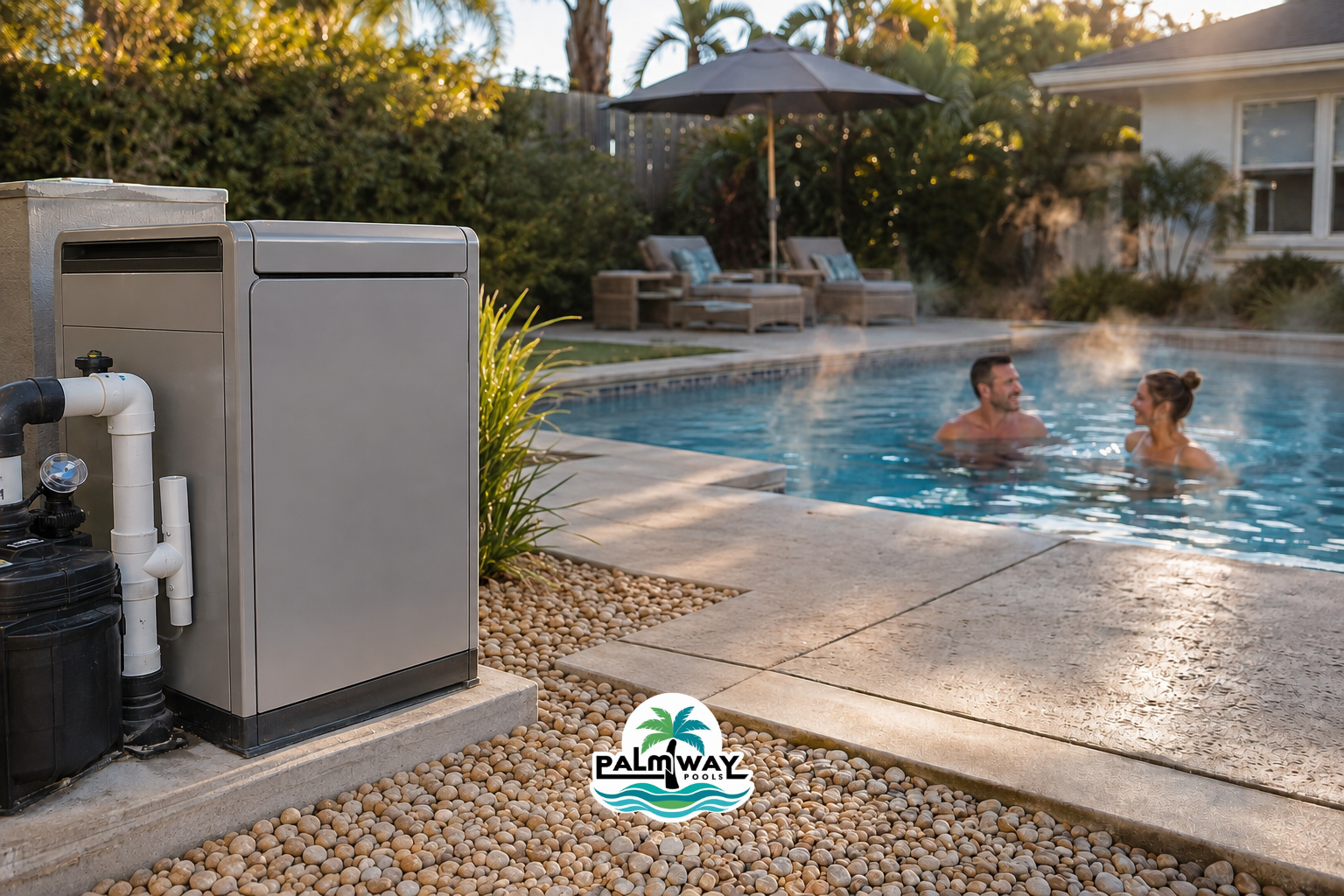
Pumps don’t operate in isolation. They interact with heaters, filters, and other components, so one failing part can create secondary damage. If your circulation system is already under pressure, you may also benefit from pump repair or heater checks, such as pool heater repair if poor flow has affected temperature performance. A full system review can uncover problems that would otherwise stay hidden until they cause major breakdowns.
Maintenance Habits That Help Prevent Pump Failure
Keep the Water Balanced
Water chemistry matters more than many pool owners realize. Poor balance can contribute to scale, corrosion, and residue buildup, all of which make the pump work harder. Proper chemistry also helps protect seals, gaskets, and internal parts from premature wear. If your pool water has been off lately, reviewing your maintenance routine and scheduling regular cleaning can help preserve equipment life.
Clean Around the Equipment Pad
Leaves, dirt, and standing water around the equipment pad can create more problems than expected. Debris can enter baskets more easily, while moisture can accelerate corrosion or electrical damage. Keeping the pad tidy improves airflow and makes it easier to spot leaks, rust, or cracks early. Small habits like this make maintenance easier and reduce the chance of surprise failures.
Use the Right Run Schedule
Running a pump too little can hurt water quality, while running it longer than necessary wastes energy and adds wear. The ideal schedule depends on pool size, usage, weather, and equipment design. A technician can help fine-tune your runtime so the pool stays clean without overworking the motor. This is especially helpful during hot months, heavy rain, or periods of increased swimmer activity.
Local Support for Pool Owners in Treasure Island
Why Fast Action Matters in Coastal Environments
Pool systems in coastal areas often face extra stress from humidity, salt exposure, and heavy seasonal use. Those conditions can speed up corrosion and make pump problems appear faster than in other climates. If you live near the water, paying attention to early warning signs is especially important. Quick service can prevent a minor issue from becoming a full system outage.
Repair and Maintenance Should Work Together
Instead of treating pump issues as one-off events, it helps to view them as part of a larger maintenance picture. Clean water, balanced chemistry, and consistent inspections support longer pump life and better overall performance. When needed, services like spa & hot tub maintenance can also help keep connected systems in good shape, especially when the property includes more than one water feature.
When to Schedule a Professional Evaluation
If your pump is noisy, weak, leaking, overheating, or losing prime repeatedly, it’s time to have it checked by a qualified technician. Delaying service often makes the final repair more expensive. If you’re unsure whether you need a repair or replacement, an inspection can give you a clear recommendation based on the pump’s condition and performance history.
Frequently Asked Questions About Pool Pump Problems
How Long Should a Pool Pump Last?
Service life depends on usage, maintenance, water quality, and equipment quality. Many pumps last several years, but heavy use or poor maintenance can shorten that window. If your pump is nearing the end of its life and repairs are becoming routine, replacement might be the better investment. Keeping up with maintenance usually gives the best chance of maximizing lifespan.
Can a Bad Pump Damage the Pool?
Yes. A failing pump can reduce circulation, create water quality issues, and place strain on the filter and heater. It can also contribute to algae growth and cause chemicals to distribute unevenly. In severe cases, prolonged circulation problems can make the pool harder and more expensive to recover.
Should I Repair the Pump Myself?
Basic cleaning is fine for many homeowners, but electrical problems, persistent leaks, and motor issues are best left to professionals. Pool equipment includes water and electricity in proximity, which raises safety concerns. If you’re not sure what is causing the problem, it’s safer to get an inspection before attempting more advanced repairs.
What Is the Biggest Sign That Replacement Is Needed?
The biggest clue is usually a pattern of repeated problems on an older unit. If the pump is noisy, inefficient, and costly to keep fixing, replacement often makes more sense. Upgrading can also improve performance and reduce future service interruptions, especially if the existing system is outdated.
Conclusion: Act Early and Protect Your Pool System
Most pool pump problems start with small warning signs: unusual noise, weak circulation, prime loss, leaks, or overheating. When those symptoms are caught early, repair is often possible and much less disruptive. When the pump is older, or repairs keep piling up, replacement may be the smarter long-term choice. The goal is to keep the pool healthy, efficient, and easy to enjoy.
If you suspect your pump is struggling, don’t wait for a full breakdown. A prompt inspection can protect your water quality, reduce equipment strain, and help you decide whether repair or replacement is the right next step. For dependable help with circulation, cleaning, and system care, Palmway Pools is ready to support your pool with professional service and practical solutions. Contact us today to schedule an evaluation and keep your pool performing at its best.