Ever feel like you're cleaning your pool filter way more often than you'd like? That might be your pool's way of hinting at a bigger issue. While filters do need regular care, if cleaning becomes a constant hassle and your water quality isn’t improving, it might be time to think beyond maintenance. It could be due to age, wear, or even internal failure. Let's dive into how to spot these signs, what to keep an eye on, and when replacing your filter makes more sense than another cleaning.
For those looking for reliable help with routine pool cleaning or full pool service, understanding how your filter behaves can save you time and trouble. We’ll also explore how circulation, pressure, and water chemistry all play a part, because filters don’t work alone. The aim is simple: help you catch warning signs early so your pool stays clear, efficient, and ready for a swim.
The U.S. Environmental Protection Agency says clean, balanced water and good circulation are key to safe swimming. Your filter plays a huge part in this, but it won’t last forever. When the internal parts start wearing out, cleaning might only offer a quick fix instead of a real solution.
Why Pool Filters Need Extra Attention Over Time
Filters work harder than you might think.
Your pool filter catches dirt, sunscreen residue, pollen, leaves, body oils, and tiny debris that would otherwise hang around in the water. Even in a well-kept pool, the system is under constant stress, especially during hot weather, storms, or heavy use. Over time, this stress can lead to breakdowns in the media, cracked parts, clogged cartridges, or worn grids.
More cleaning can mean more problems.
If you notice you’re cleaning the filter way more often than usual, it might be because it’s not holding debris effectively anymore. Sometimes, it’s an external issue, like more dirt after a storm. Other times, the filter’s capacity has dropped. If the same filter clogs repeatedly in a short span, it’s wise to consider whether a pool filter replacement is the smarter move.
System strain shows up in other ways
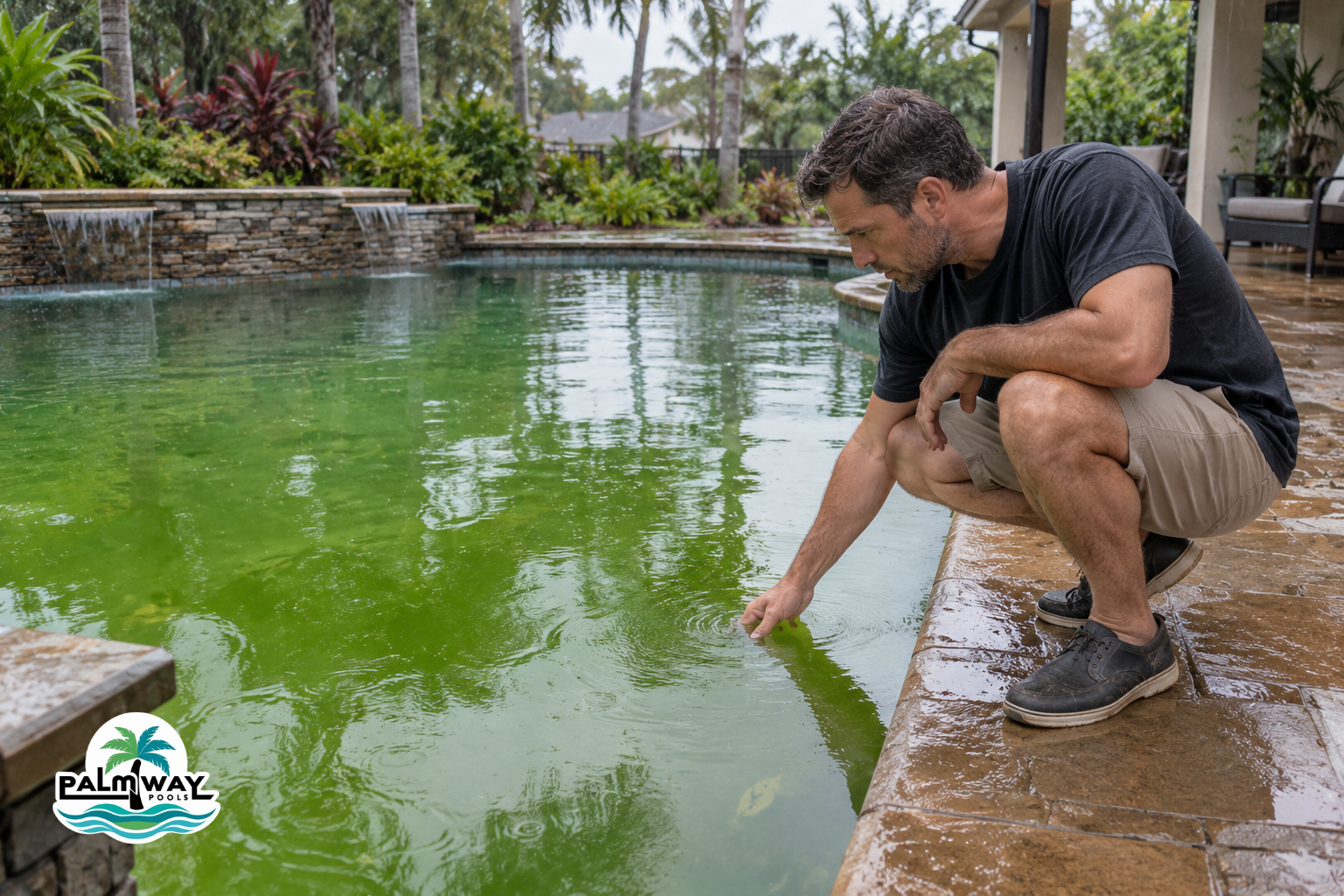
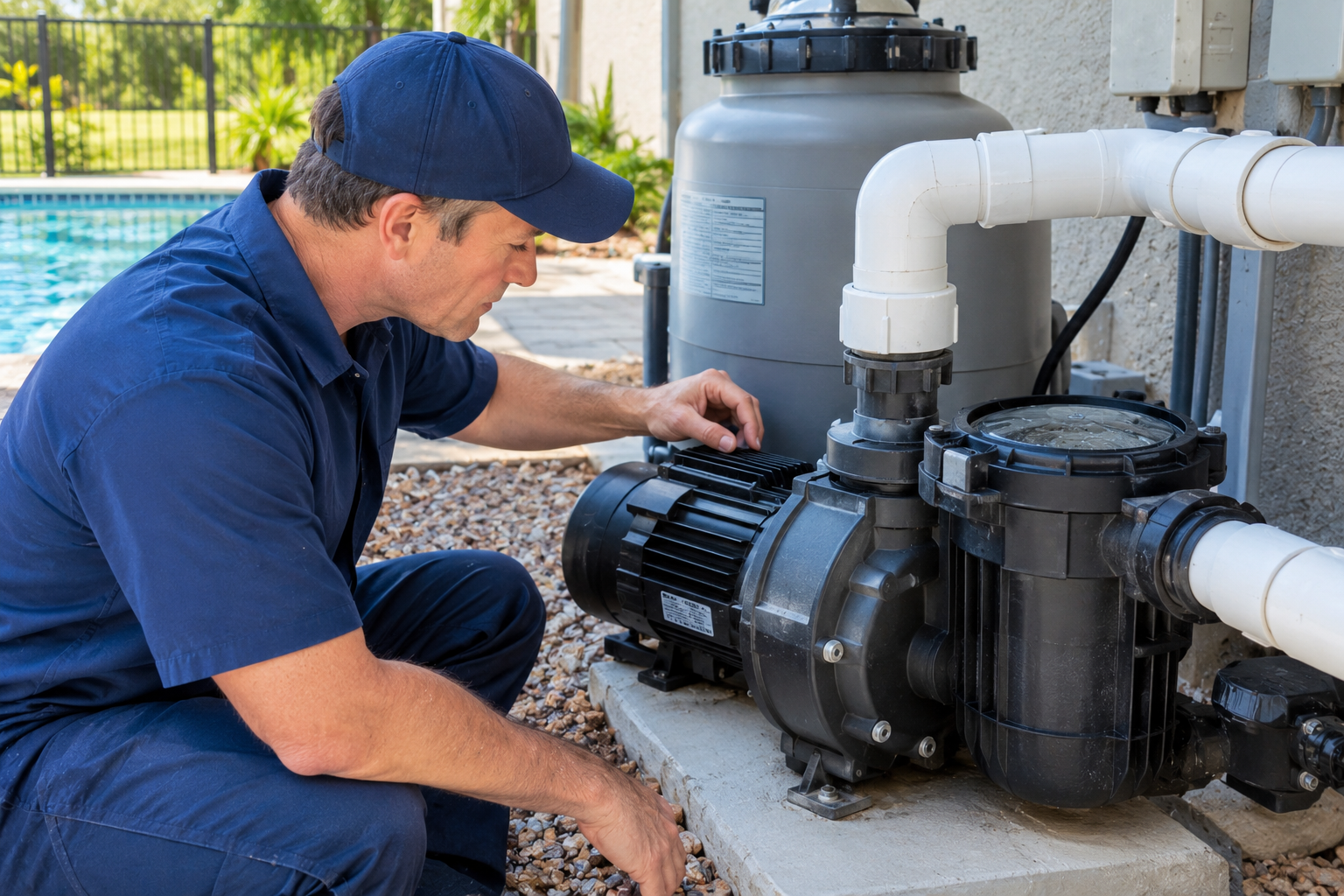
A filter that's not working properly can affect more than just water clarity. It can force the pump to work harder, reduce circulation, and make your pool more prone to algae. That's why filter problems sometimes come with other issues like cloudy water, weak return flow, or rising energy costs. If you suspect circulation problems, it might be time to check out related equipment with services like pump repair or broader pool equipment repairs and upgrades.
Signs Your Filter Might Be Failing
Cleaning doesn’t clear up the water
If your filter looks clean but leaves water dull, hazy, or dirty, that's a sign something's wrong. If backwashing, rinsing, or deep cleaning only works for a short period, the filter may not be capturing fine particles effectively anymore. This happens when cartridge material wears out, sand becomes less effective, or DE grids lose their integrity.
Pressure rises too fast after cleaning.
Every filter has a normal pressure range, and it shouldn't spike right after service. If pressure climbs unusually fast, the filter might be loading up too quickly because the media is failing, the system is too small, or internal channels are blocked. Pay attention to the pressure gauge, especially if you've already ruled out pump issues.
Debris comes back after filtration
Sometimes the pool looks clean after filtering, but debris reappears soon after. This can happen when internal cracks or tears let trapped material escape back into circulation. In cartridge and DE systems, damaged components might send dirt right back into the pool, making it seem like cleaning isn’t doing the trick.
Water flow feels weaker than usual
Reduced return flow is another common warning sign. While weak flow can point to several issues, a heavily restricted or deteriorating filter often plays a part. If your pool also has aging equipment, a professional inspection can help figure out whether the problem lies with the filter, pump, or plumbing. Often, it’s a mix of issues rather than just one failed part.
Knowing When It's Just Dirty vs. Worn-Out
Normal buildup or a permanent problem?
Every filter collects debris, so performance can drop before cleaning. What matters is how much improvement you see after. If cleaning restores good flow and the water stays clear for a reasonable time, the filter is still doing its job. But if the benefit is short-lived, the filter might be nearing the end of its life.
Think about age and service history
Filters don’t last forever. Their lifespan depends on the type, water conditions, usage, and maintenance quality. Older units usually become less reliable. A filter exposed to years of heat, pressure changes, and chemicals might not respond well to extra cleaning. A professional pool service can help you figure out whether the problem is maintenance-related or structural.
Check for physical damage
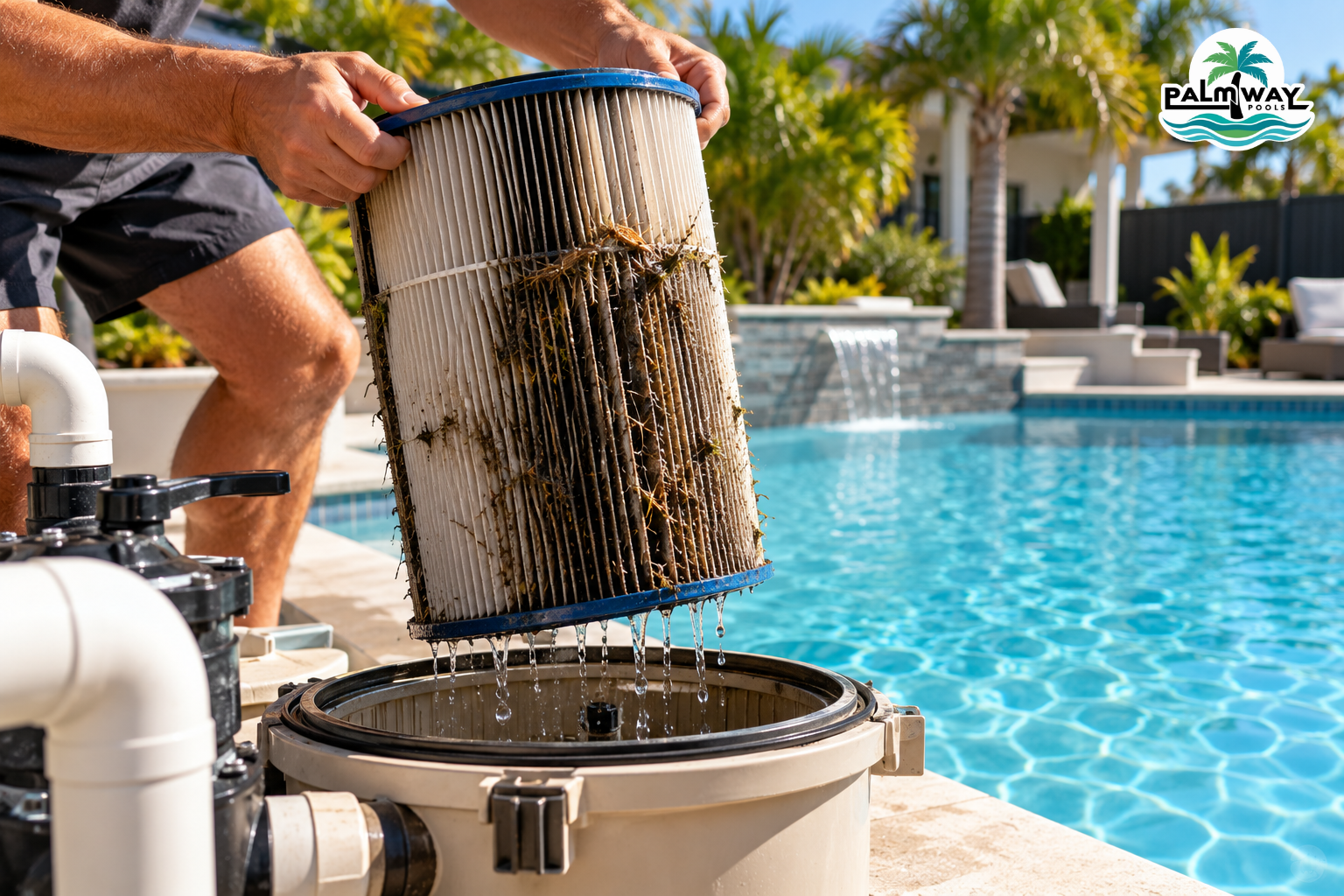
Cracks, warped housings, broken bands, brittle cartridges, damaged grids, and leaks indicate the filter has gone beyond routine cleaning. These issues can appear gradually, making regular inspections important. If you notice these warning signs, it might be smarter to replace the filter before it causes more expensive equipment problems.
For general guidance on pool sanitation and system care, check out the Centers for Disease Control and Prevention for public health recommendations. Clean water depends on more than just sanitizer; filtration is part of the overall safety system. When filtration weakens, maintaining safe water becomes tougher.
Why Replacing a Filter Can Save You Money
Frequent cleaning costs add up
It’s easy to think another cleaning is cheaper than a replacement, but that’s not always true. Extra labor, repeated chemicals, wasted water from backwashing, and higher energy use can create hidden costs. If the filter is forcing you to spend more time and money just to maintain the same result, replacement might actually save you money in the long run.
Poor filtration can harm other parts
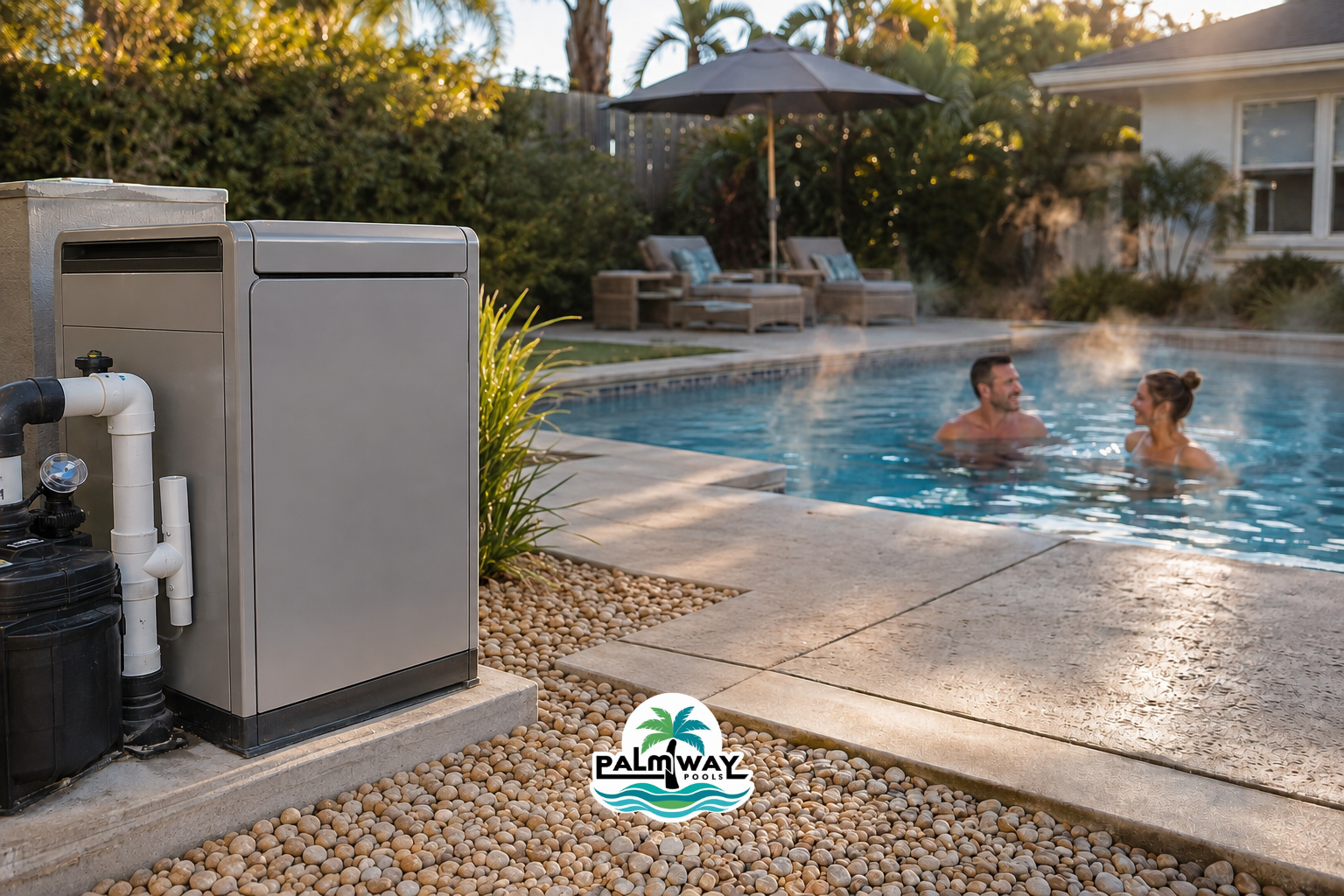
When the filter stops doing its job, more debris reaches the pump, heater, and plumbing. That added strain can shorten the life of expensive equipment, turning a weak filter into a system-wide issue. If you’re noticing heater inefficiency or unusual noises, consider support like pool heater repair or even pump replacement if the system is older and keeps failing.
Cleaner water means fewer chemical fixes.
When filtration improves, water tends to stay more stable. That means fewer emergency treatments, less cloudiness, and a lower chance of algae blooms after a hot week or heavy use. Better filtration doesn’t eliminate chemical balancing, but it often makes routine care easier and more predictable. For many, that consistency is worth more than the short-term savings of delaying a replacement.
Filter Types: Cartridge, Sand, and DE
Cartridge filters
Cartridge filters are popular because they’re easy to maintain. But once the pleats are worn, compressed, or permanently stained, cleaning might not restore full performance. If you see clogging, slow flow, or damaged elements, replacement may be the best fix.
Sand filters
Sand filters can last a while, but the sand eventually becomes less effective as edges round off and channels form. If you need to backwash more frequently and water still looks cloudy, the sand may be worn out. Sometimes, replacing the media helps; other times, the tank or internal parts might be worn enough to justify a full replacement.
DE filters
DE filters offer very fine filtration but rely on delicate grids and a functioning manifold. Tears, crushed components, or repeated powder loss into the pool often point to a bigger problem. If a DE filter needs constant cleanup while performance slips, an equipment evaluation can help you decide whether to repair or replace.
For tips on spotting broader circulation issues, our guide on pump repair or replacement warning signs can help you connect the dots. Filter problems often overlap with pump problems, so it’s smart to look at the whole system, not just one part.
Other Potential Problems
Circulation and pump issues
A filter is only as good as the water moving through it. If the pump is weak, air is entering the system, or the skimmer line is partially blocked, the filter might collect debris unevenly and clog faster. That’s why replacement decisions should include a review of circulation, not just the filter media.
Water chemistry imbalance
Unbalanced water can scale, stain, or degrade filter components faster than normal. High calcium, low pH, or repeated shock treatments might shorten filter life and increase maintenance demands. A water test and service visit can help pinpoint the problem before more damage occurs.
Heavy environmental load
In coastal and storm-prone areas, pools often deal with extra debris, wind-blown dust, pollen, and rain contamination. This extra load can make a healthy filter look weak, so context matters. If a recent storm caused sudden buildup, your filter might just need a reset. If the same issue keeps happening, replacement becomes more likely.
Simple Steps Before Replacing
Inspect the full system
Before replacing a filter, check the pressure gauge, pump basket, skimmer baskets, return flow, and visible housing condition. These checks can reveal whether the problem lies in the filter itself or somewhere else in the system. A thorough inspection prevents unnecessary replacements and helps you choose the right fix.
Compare cleaning frequency to past performance
Think back to how often the filter needed attention when it was newer. If it used to run for weeks between cleanings but now clogs in a few days, that difference matters. A big shift in service frequency usually points to declining capacity, especially when water use and debris levels haven’t changed much.
Track recurring symptoms
Keep a simple log of pressure readings, cleaning dates, and water clarity. Patterns often reveal more than one-off observations. If the same symptoms return after every rinse or backwash, replacement might be the logical next step. If you’re not sure how to interpret what you’re seeing, a local technician can offer a more accurate assessment.
How Professional Maintenance Can Help
Objective diagnosis
An experienced technician can evaluate the entire system without guessing. They can check flow, pressure, media condition, and equipment wear together. This kind of diagnosis is especially useful when the filter appears to work sometimes but not consistently.
Preventive service extends equipment life
Routine pool cleaning and maintenance can catch small problems early, before they become expensive. Even if replacement isn’t needed today, preventive care can delay future failure and help you plan ahead. This approach is often cheaper and less stressful than waiting for a major breakdown.
Make smarter decisions for the long term.
Sometimes repair makes sense. Sometimes replacement is the better move. The key is making that choice based on the filter’s condition, not habit. If your filter is old, frequently clogging, and failing to improve water quality, replacement often delivers better value than repeating the same service cycle.
FAQ: Common Filter Replacement Questions
How often should a pool filter be cleaned?
There’s no one-size-fits-all answer because cleaning frequency depends on use, weather, debris load, and filter type. Some pools need attention more often during storm season or heavy swim months. The important thing is whether cleaning restores performance. If it doesn’t, cleaning alone isn’t enough.
Can a clogged filter damage my pool?
Yes, if it’s left unresolved. A clogged or failing filter can reduce circulation, increase strain on the pump, and let dirt and organic matter stay in the water longer. Over time, this can create water quality issues and shorten the life of other equipment.
Should I repair or replace?
If the issue is minor, isolated, and the filter is relatively new, repair might be enough. But if the unit is old, damaged, or no longer performing after frequent cleaning, replacement is usually the better choice. If you also need help with surrounding systems, services like pool filter replacement and pool equipment repairs and upgrades can support a full solution.
When It's Time to Act
Don't wait for a total breakdown
Filters don’t always fail suddenly. More often, they decline in small steps until you’re cleaning constantly and still getting poor results. Waiting too long can turn a manageable replacement into a system-wide problem. Acting early keeps your pool cleaner and your equipment safer.
Choose the fix that matches the problem.
If the filter is only dirty, clean it. If it’s worn, cracked, or no longer performing after repeated service, replace it. This simple distinction can save a lot of frustration. It also helps you protect water quality and reduce the chances of recurring surprises during the swimming season.
Get expert help when issues overlap.
If your pool shows multiple issues at once—cloudiness, weak flow, pressure swings, and frequent cleaning needs—it’s time for a deeper inspection. Sometimes, the best solution isn’t just one service but a combination of cleaning, equipment repair, and replacement planning. For homeowners in the area, Palmway Pools - Pool Cleaning Services can help identify the root cause and recommend the next best step.
Conclusion: Stop Going in Circles and Fix the Real Problem
Cleaning your pool filter more often than usual isn’t always a sign of better maintenance. Sometimes it’s a warning that the filter is worn out, overloaded, or no longer doing its job properly. When cleaning stops delivering lasting results, replacement becomes more of a practical investment in cleaner water, easier maintenance, and healthier equipment.
If you’re tired of dealing with the same filter problem repeatedly, the smartest move is to evaluate the full system and make a plan. Whether you need ongoing pool service, a closer look at circulation, or expert advice on equipment condition, a professional review can save time and prevent costly mistakes. To learn more or schedule help, contact Palmway Pools - Pool Cleaning Services at palmwaypools.com or call (844) 307-1680 for dependable support.