Pool Water Balance Guide: The Importance of Regular Testing
Even if your pool water looks clear, it might not be as balanced as you think. That’s why regular testing is crucial for anyone who wants a safe and comfy swimming pool. A little change in your water's chemistry can lead to cloudy water, skin irritation, or even wear out your pool equipment faster. If you rely on professional pool cleaning or a full pool service plan, water testing is what makes regular maintenance truly effective.
Balancing your pool water isn’t just about how it looks. It’s also about ensuring sanitizers work well, preserving the pool’s surfaces, and keeping metal parts from corroding. The Centers for Disease Control and Prevention points out that pool chemistry is critical to swimmer health and sanitation. They recommend viewing maintenance as a system rather than a one-off task.
In this guide, we'll look at what it means for pool water to be balanced, which readings are most important, how often to test, warning signs to watch out for, and when to call in the pros. We'll also get into how issues with pool equipment often show up in your water first. By the end, you'll know how to keep your pool ready for a swim at any time.
What "Balanced" Pool Water Really Means
Why Clear Water Isn’t Always Healthy
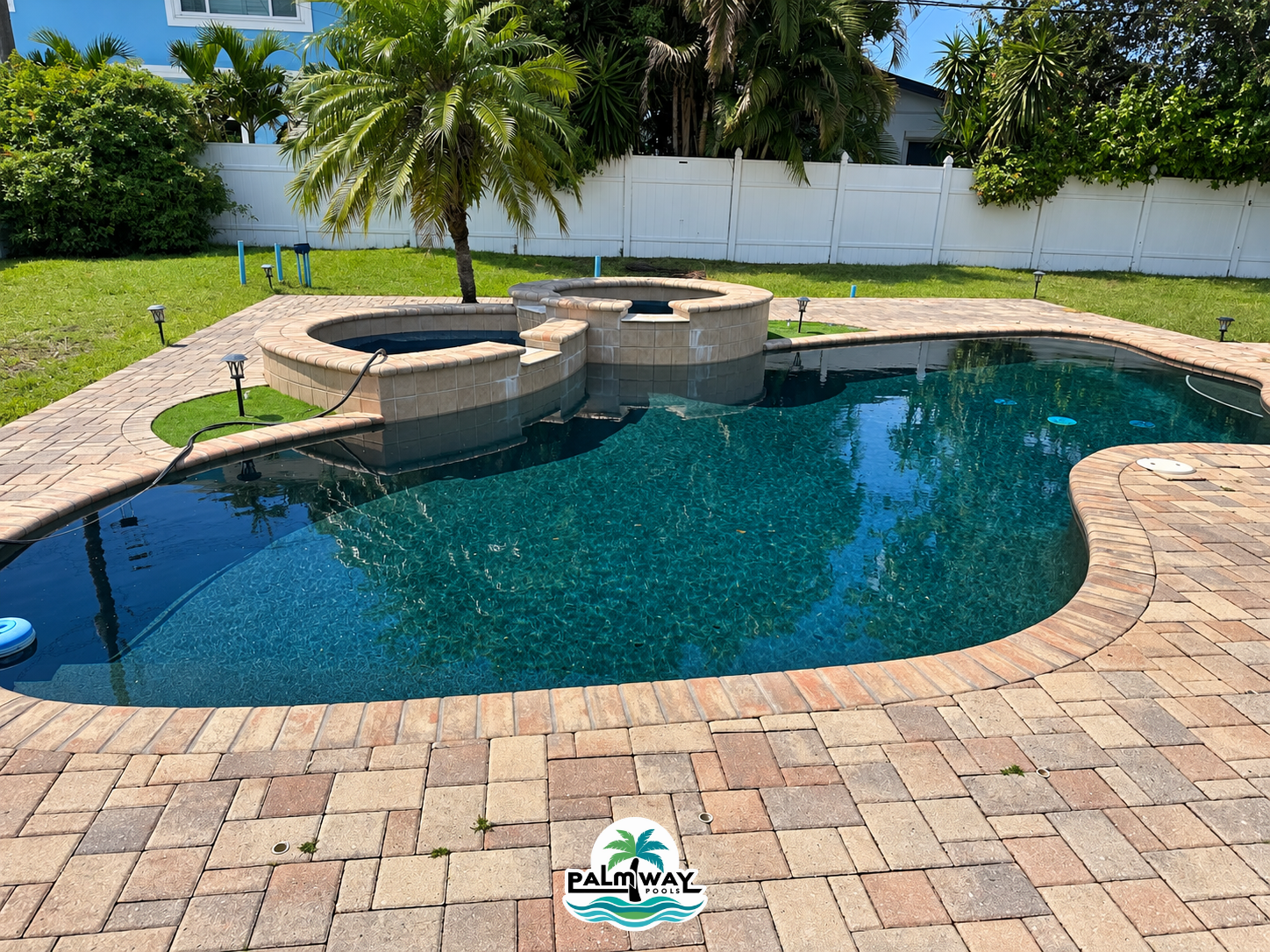
Many pool owners think that clear water is a sign of good chemistry. Actually, clear water can still be too acidic or alkaline, under-sanitized, or too high in dissolved minerals. Water that looks fine might still be slowly damaging your pool’s plaster, tile grout, and seals. That’s why testing is essential, even when things seem okay.
Balanced water means several chemistry readings are in a safe range and support sanitation, comfort, and the pool system's longevity. A problem with one level can trigger others. For instance, low pH makes water corrosive, while high pH can make sanitizers less effective and cause scaling.
The Key Readings to Monitor
The main measurements pool owners should know are pH, free chlorine, total alkalinity, calcium hardness, and sometimes cyanuric acid. pH affects how comfortable the water feels and how well the sanitizer works. Free chlorine helps keep bacteria and other contaminants under control. Total alkalinity stabilizes pH, while calcium hardness prevents surface damage and scaling.
If you want more details on pool chemistry, check out our pool water chemistry guide. For more on standards and best practices, the Pool & Hot Tub Alliance offers helpful industry guidance.
Why Regular Testing Beats Occasional Checks
Pool Chemistry Can Change Quickly
Pool chemistry doesn't stay the same for long. Factors like rain, heat, heavy use, debris, sunscreen, body oils, and dust can change the water balance in just hours or days. In Florida, weather can speed up these changes, especially with lots of sun and storms. What’s balanced on Monday might need adjustments by the weekend.
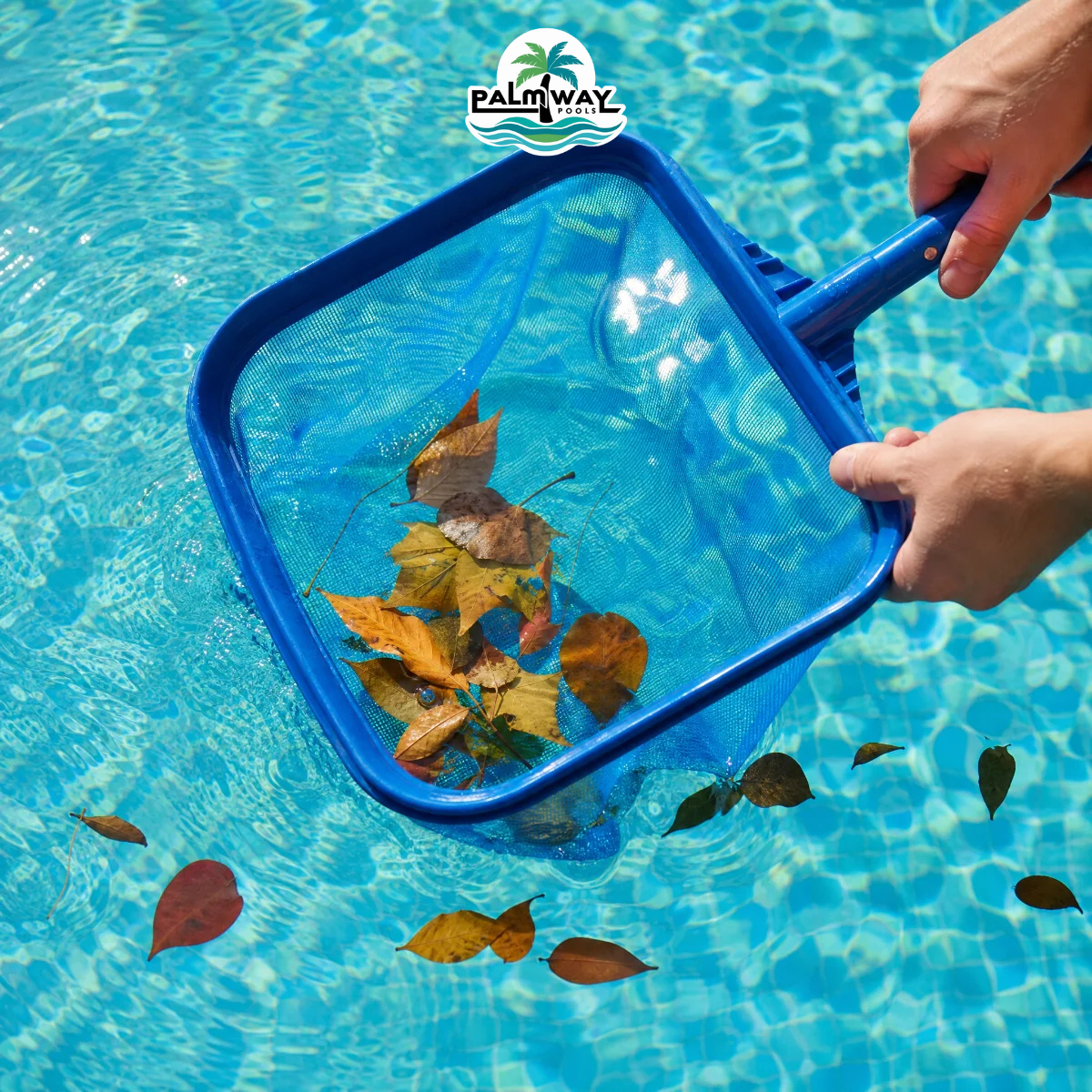
This is why professional pool cleaning and chemistry checks go hand in hand. Cleaning removes physical debris, but testing shows if the water is still stable. Skipping tests can mean adding chemicals blindly, wasting money, and not solving the real issues.
Preventing Costly Equipment Damage
Unbalanced water is tough on pool equipment. Low pH can harm heater parts, corrode ladders, weaken seals, and shorten the life of metal components. High pH and high calcium levels can create scale, blocking flow and reducing efficiency. Over time, this results in higher utility costs and more frequent repairs.
That’s why reliable pump repair or filter replacement often goes with better water care. When your pool's circulation and filtration systems are running smoothly, chemicals are distributed more evenly, helping the pool stay balanced.
Reading the Numbers Without Overwhelm
A Simple Testing Routine
You don’t need to be a chemist to keep your pool healthy. A straightforward routine can make the process manageable. Test sanitizer and pH several times a week, and check alkalinity and calcium hardness regularly, especially after storms or big gatherings. Consistency is more important than perfection.
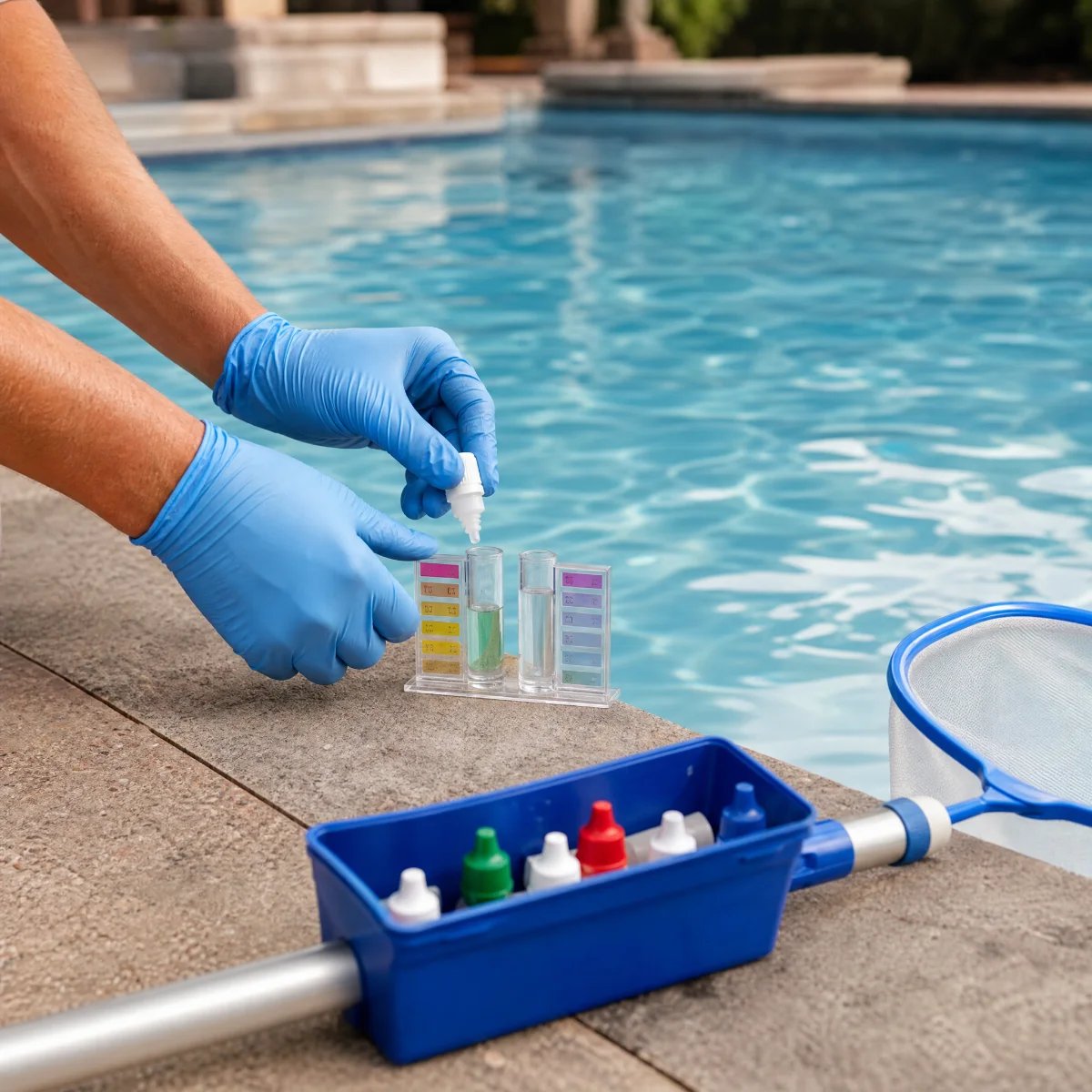
Use the same test method each time for consistent results. Test strips are handy, while liquid kits give more detailed readings. Professional testing adds another layer of accuracy, especially if your pool is hard to stabilize. If you’ve invested in ongoing pool service, ask your provider to explain how each reading impacts water condition.
Why Small Shifts Matter
It’s easy to overlook a small change, but chemistry issues can build quietly. A slightly low sanitizer level today can cause cloudy water next week. A pH that’s just a bit high can reduce sanitizer performance and lead to scale. Small issues are usually easier and cheaper to fix than big ones, so treat testing as preventive care.
If you’re interested in preventive maintenance, our preventive pool care article explains how regular attention lowers risks.
Signs Your Pool Water Is Out of Balance
Visible Signs in Water and on Surfaces
Some balance problems are easy to spot if you know what to look for. Cloudy water might mean poor filtration, weak sanitizer levels, or debris. White scale on tiles or fittings could indicate high calcium or pH. Green or dull water might point to algae growth or sanitizer failure. Stains on plaster or vinyl can signal long-term chemistry issues.
If your pool looks dull after cleaning, the problem might be chemical. Our cloudy pool water guide explains how circulation, chemistry, and filter condition interact.
Comfort Clues from Swimmers
Water balance affects people as much as it does equipment. Swimmers might complain about burning eyes, dry skin, strong chlorine smell, or a slippery feeling on pool walls. These symptoms don't always mean there's too much sanitizer. Sometimes, they indicate poor balance and reduced sanitizer efficiency.
If multiple swimmers notice discomfort, it’s worth checking the readings right away. A balanced pool should feel comfortable, not harsh.
Equipment Issues That Show Up in Water Tests
Pumps and Circulation Problems
Poor circulation makes it harder for chemicals to distribute evenly, leading to strange readings in different parts of the pool. If the pump is weak or noisy, your water may test inconsistently after adding chemicals. That's why equipment checks are crucial to pool health. Sometimes the issue isn’t chemistry; it's the system moving and filtering the water.
If you notice weak circulation or noise, a professional pump repair service can help restore proper flow. In older systems, replacing the pump might be more cost-effective.
Filtration and Heater Problems
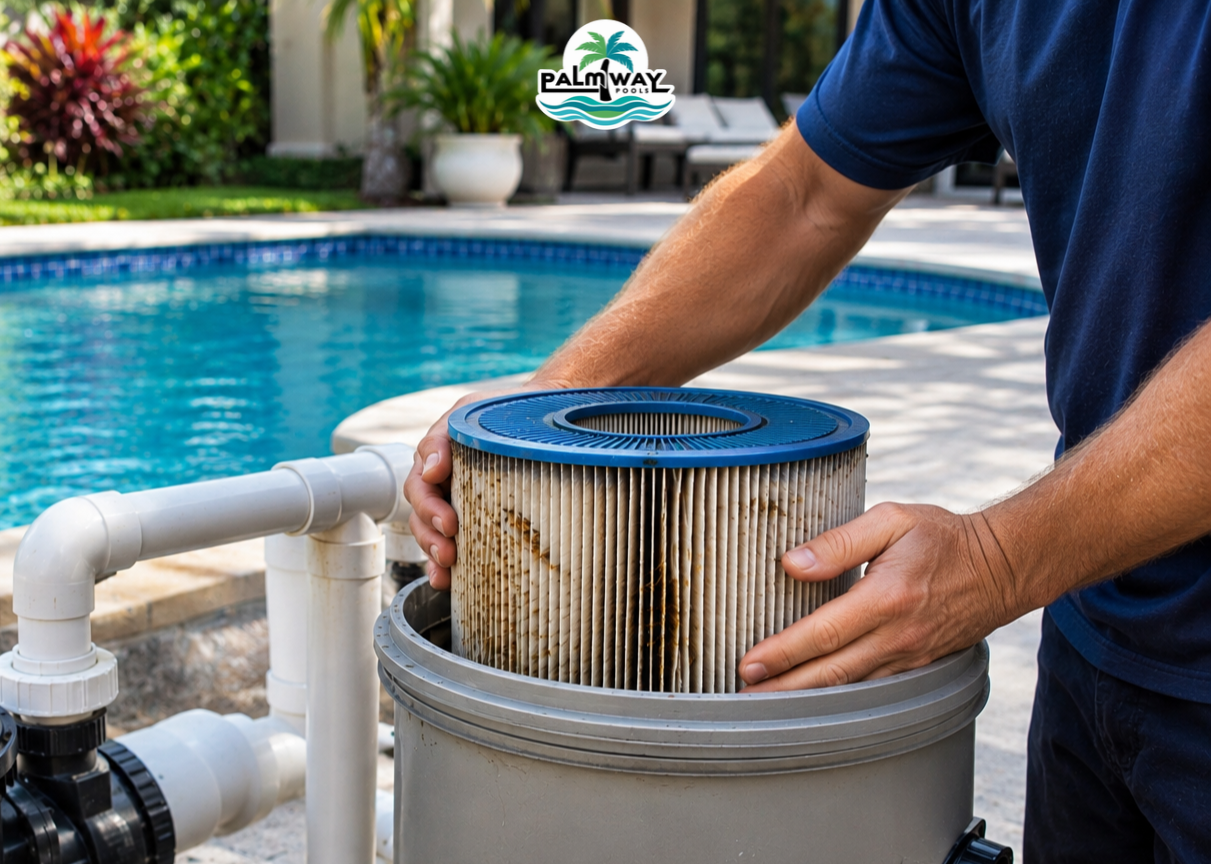
Clogged or worn filters struggle to remove particles, making the water hazy and creating extra chemical demand. This means you might add sanitizer without getting the clarity you want. Malfunctioning heaters can also cause uneven temperature and mineral scale, especially when water chemistry is unstable.
If your filter isn't performing, a filter replacement might solve ongoing water issues. Heater problems might require repair or replacement.
A Practical Testing Schedule for Busy Pool Owners
Weekly, Monthly, and Seasonal Checks
A simple routine is easier to stick to than occasional deep dives. Test pH and sanitizer several times a week, especially during heavy use or extreme weather. Check alkalinity and calcium hardness monthly, or when you notice stability issues. Review cyanuric acid and other stabilizers periodically, especially if your pool gets a lot of sun.
Seasonal changes can impact your testing routine. Warm weather increases demand, while storms can dilute sanitizers. During heavy rain or debris, test more often.
When to Opt for Professional Testing
Home testing is helpful, but professional testing is more reliable. If the pool keeps going out of range, if you’re fighting cloudy water, or if you’ve had recent repairs, a pro might catch issues a basic kit misses. This is especially valuable with multiple changing variables, like new equipment or recurring algae.
Sometimes a reset is best. If stains or buildup are an issue, a pool drain and acid wash might be the right step before resuming normal balancing.
How Weather, Usage, and Location Affect Water Balance
Florida Conditions Affect Chemistry
Sunlight, heat, rain, and humidity all influence pool water. Strong sunlight can burn through sanitizer quickly, while rain can dilute chemicals and introduce contaminants. Wind can blow in debris, pollen, and dust. These factors can create constant small shifts, making regular testing essential.
The U.S. Environmental Protection Agency provides useful information on water quality and environmental factors impacting treatment systems.
Usage Patterns Matter
A busy pool and a quiet one need different attention levels. More swimmers bring more oils, lotions, and sweat into the water. Big gatherings can raise chlorine demand overnight. Even pet use or nearby landscaping runoff can require adjustments.
This is why many property managers prefer scheduled pool service over reactive maintenance.
What Regular Testing Does for Long-Term Pool Value
Lower Costs, Fewer Repairs, Better Comfort
Balanced water protects the pool in three major ways: it reduces the chance of costly repairs, minimizes wasteful chemical use, and improves swimming comfort.
Over time, these benefits add up. A pool that’s tested regularly is less likely to suffer sudden failures, meaning fewer surprises and a better return on your investment.
Better Care Supports a Better Lifestyle
Most pool owners want easy, reliable enjoyment. Nobody wants to spend weekends guessing at chemical adjustments. Regular testing turns pool care from a chore into a manageable habit.
If your pool includes a spa or hot tub, monitoring is even more critical. Our spa and hot tub maintenance service caters to these needs.
Frequently Asked Questions About Balanced Pool Water
How Often Should I Test My Pool Water?
Testing free chlorine and pH several times a week is a good starting point. Alkalinity and calcium hardness should be checked less frequently but still regularly.
Can I Rely on Test Strips Alone?
Test strips are great for quick checks but not always the most precise. More detailed kits or professional testing can give a clearer picture for ongoing issues.
What If My Pool Keeps Going Out of Balance?
Repeated imbalance often means an underlying issue like poor circulation or a dirty filter. Start by checking your equipment and testing methods. If it continues, call a professional for an inspection.
When Should I Call a Professional?
Reach out for help when water stays cloudy, chemistry drifts, or equipment causes issues. Professional support is also handy after storms or major service work. Palmway Pools offers pool cleaning, chemistry care, and equipment guidance.
Conclusion: Balance is a Habit, Not a Guess
Pool water doesn't stay balanced by accident. It’s about paying attention, testing regularly, and fixing small issues early. Clear water is good, but real balance means safe sanitation, stable chemistry, and healthy circulation.
If you want fewer repairs and more confidence in your pool, make testing a routine. Watch the numbers, keep an eye on conditions, and address warning signs early. For help, Palmway Pools is ready to support you with dependable pool cleaning, routine service, and expert equipment care. Contact Palmway Pools at (844) 307-1680 or visit palmwaypools.com to learn more.