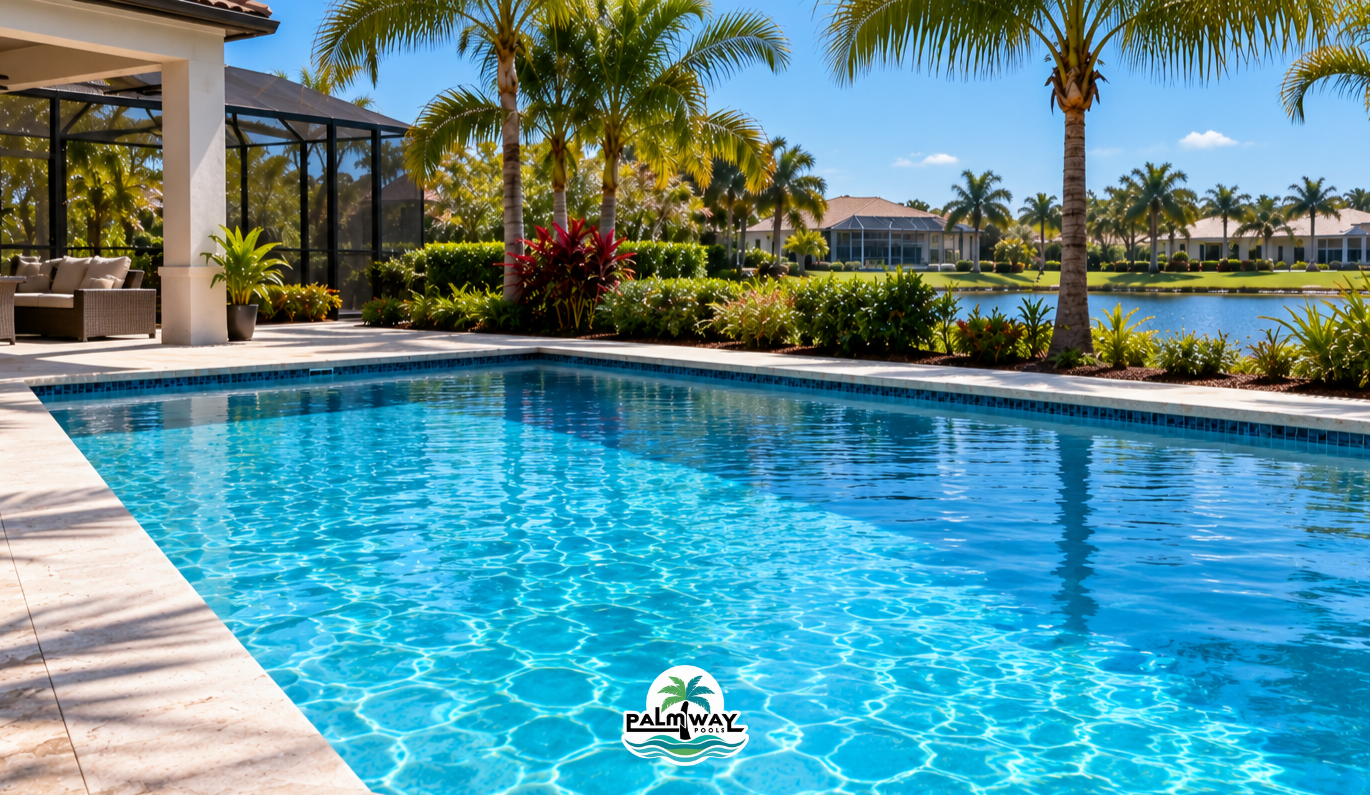
Taking care of your pool isn’t just about avoiding problems; it’s about enjoying your pool more. By staying on top of things like debris, water circulation, and chemical balance, your pool becomes a lot easier to manage and more fun to use. In warm places like Treasure Island, FL, where the weather can quickly mess with your pool’s balance, being proactive with maintenance is key. This means more swimming and less worrying about unexpected issues.
This guide will show you why preventive pool care is important, the habits that make a big difference, and how new tools are changing pool management. We’ll also cover the basics of pool care, common warning signs to watch for, and steps you can take to keep your pool in great shape. If you’re looking for dependable help, Palmway Pools offers pool cleaning and maintenance services to make pool ownership easier.
Why Preventive Pool Care Matters
Catch Small Issues Before They Grow
Many costly pool repairs start as small problems like a slightly dirty filter, a weak pump, or an off-balance chemical mix. By catching these issues early, you can avoid expensive service calls and keep your pool running smoothly. This means less disruption and a more predictable maintenance routine.
Regularly checking your pool also keeps the water quality high. Balanced water is clearer and more comfortable, which reduces the risk of eye and skin irritation. According to the CDC, proper pool operation and disinfection are crucial for preventing recreational water illnesses. This makes regular water testing and sanitation important tasks.
Save on Long-Term Costs
Preventive care isn’t just about avoiding emergencies; it also helps keep operating costs down. A well-maintained pool uses chemicals more efficiently and keeps major components from wearing out too fast. Research shows that regular maintenance can extend the lifespan of pool equipment by up to 50%. Poorly maintained systems might consume up to 30% more energy, which can add up quickly over a season.
Preventive attention can also delay major replacements. By consistently monitoring pumps, heaters, and filters, you can often repair issues before you need to replace the equipment. That’s why services like pump repair and pool filter replacement are most effective as part of a preventive plan.
The Basics of Pool Maintenance
Keep Water Circulating
Circulation is a big part of any pool maintenance plan. If water sits too long, it can get stagnant, develop uneven chemistry, and give algae a chance to grow. Good circulation distributes sanitizer, moves debris toward the filter, and supports a cleaner environment. Experts suggest running the pool pump for 8 to 12 hours a day, depending on pool size and usage, to maintain good water movement.
If circulation seems weak, it might be more than just pump runtime. It could be a clogged filter, air leaks, blocked skimmers, or a failing pump. In these cases, preventive checks can save you time and money by identifying whether you need a pump replacement, a repair, or an upgrade. For more on pump issues, check out our guide on how to tell if your pool pump needs attention.
Regular Cleaning
Leaves, dirt, pollen, insects, and sunscreen can affect your pool’s performance. If debris builds up, it can clog baskets, strain pumps, and lead to cloudy water and algae growth. Regular brushing, skimming, and vacuuming can make a big impact on water clarity and system health.
Cleaning is also a quick way to spot problems. You might notice a stain or an unusual buildup before it becomes a serious issue. When paired with professional oversight, small concerns are easier to solve. For pools needing deeper care, professional cleaning can help reset conditions.
Balance the Chemistry
Balanced pool chemistry is crucial. If sanitizer levels, pH, and alkalinity drift too far, the water can get cloudy, corrosive, or uncomfortable. Regular water testing is key—many owners test once or twice a week. For a deeper look at chemical balance, check out our article on pool water chemistry in Treasure Island, FL. You can also learn more about sanitizers at the U.S. Environmental Protection Agency.
What’s New in Pool Care
Automated Monitoring
Automation in pool maintenance is rising. Automated systems monitor water chemistry and adjust levels in real-time, reducing guesswork and making maintenance easier. This means fewer manual checks and better peace of mind for busy homeowners. Automation is becoming a practical tool for improving service and customer satisfaction.
According to a study by the Pool & Spa Warehouse, pools with automated systems require 50% less manual intervention and have 30% fewer chemical imbalances. If you’re considering improvements, our pool equipment repairs and upgrades service can help modernize older systems.
Eco-friendly Maintenance
Eco-friendly pool care is gaining traction. Solar-powered equipment, energy-efficient pumps, and safer cleaning agents are becoming more common as owners look to reduce waste. These practices can lower utility use and reduce chemical runoff.
Eco-conscious care also saves money. Less energy use and fewer chemical corrections mean a greener, easier-to-manage pool. If your equipment is old, upgrading may not only boost performance but also reduce costs over time.
Problems Preventive Care Helps Avoid
Cloudy Water and Algae
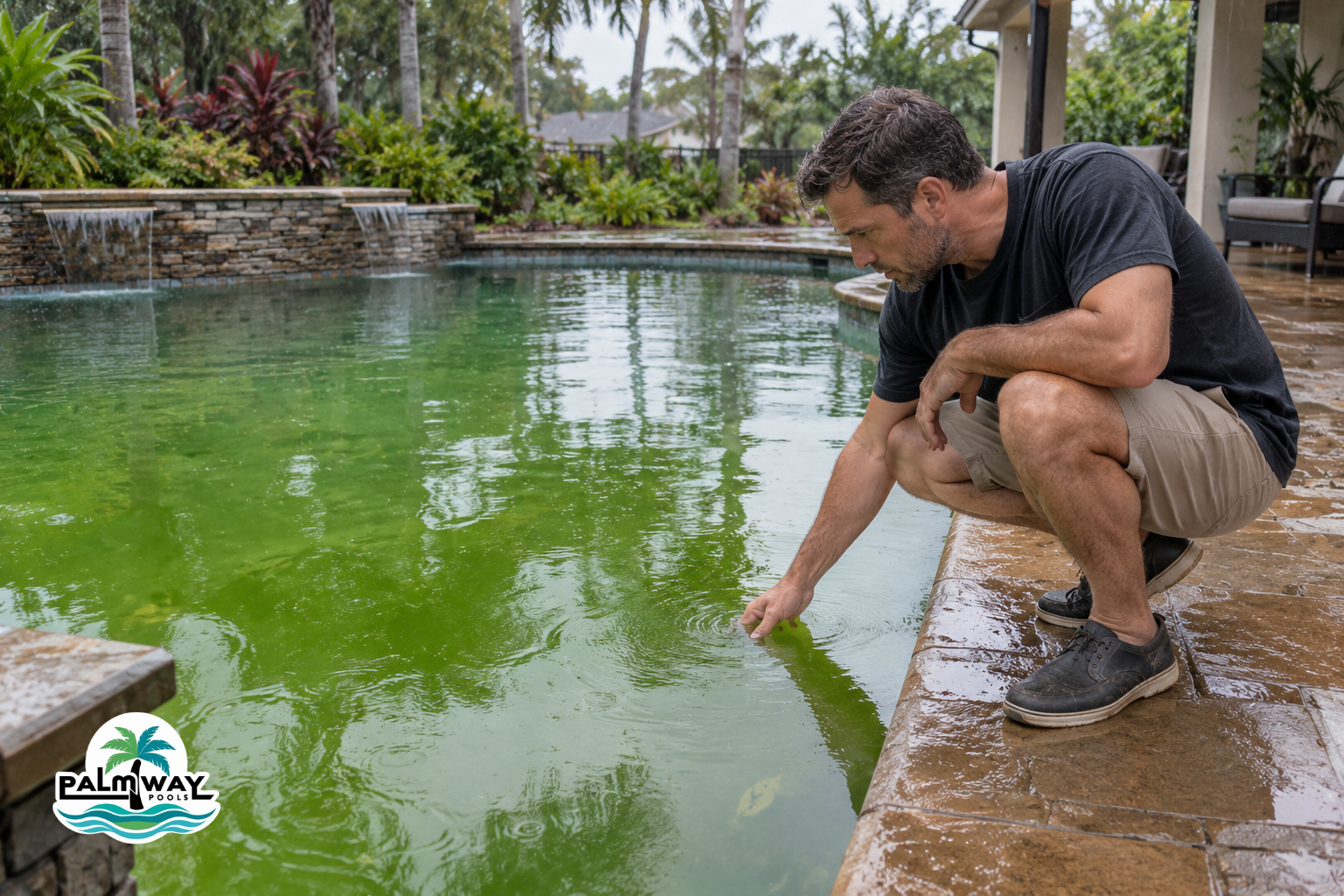
Cloudy water usually signals an issue with chemistry, filtration, or circulation. Preventive care tackles root causes, making clear water easier to maintain. Good circulation, proper brushing, and steady sanitizer levels make it harder for algae to take hold, especially in warm weather.
If you’re dealing with recurring cloudiness, our guide on why pool water clouds up again so fast can help.
Equipment Strain and Failure
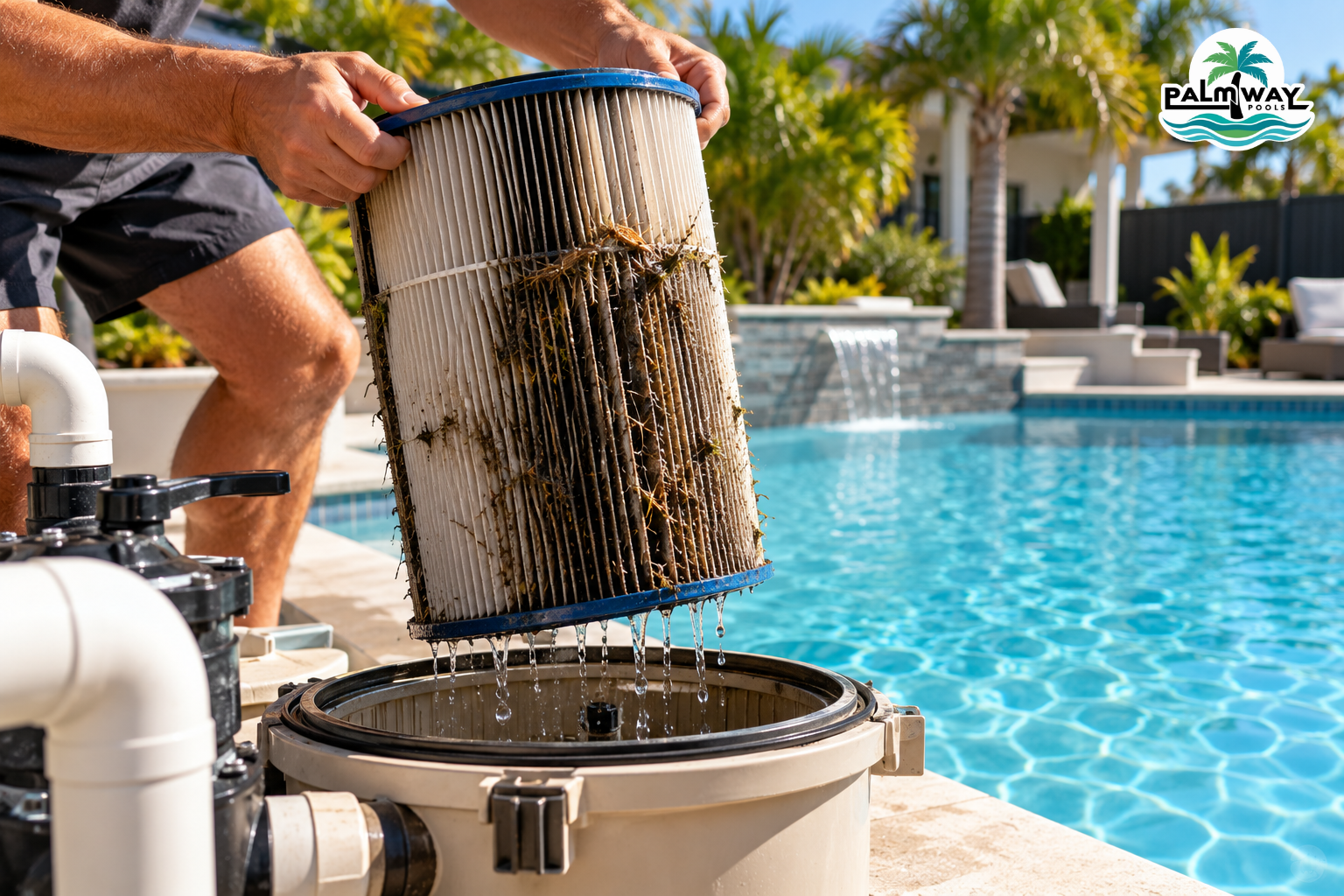
When filters clog, pumps work harder, and heaters struggle, your system faces extra strain. Over time, this can lead to noisy operation, leaks, or even full equipment failure. Preventive inspections can catch these signs early, saving you from costly repairs.
If a component is nearing the end of its life, replacing it before it fails can avoid downtime. A worn filter or aging pump may need repair or replacement depending on its condition.
Higher Energy Bills
Poorly maintained pools can consume more energy as pumps run inefficiently and filters become restrictive. Preventive maintenance helps keep flow paths open and reduces unnecessary runtime, usually costing less to operate.
Energy-conscious care doesn’t require complicated changes. Simple habits like checking pressure readings and maintaining the filter can create noticeable savings. If you suspect efficiency issues, our article on how to spot an inefficient pool system is a helpful next step.
Creating a Preventive Pool Care Routine
Weekly Habits
A good routine doesn’t need to be complicated. Weekly skimming, brushing, vacuuming, and water testing can prevent many problems. Test water once or twice a week and adjust chemicals based on results to keep your pool comfortable and clear.
Inspect the waterline, skimmer baskets, and equipment during each weekly check. If you notice weak flow or odd sounds, act early to avoid bigger issues. A steady routine reduces emergency repairs and keeps your system in good shape.
Monthly and Seasonal Checkups
Monthly maintenance should include a closer look at the filter, pump performance, and water balance trends. This is when hidden problems often show up. A filter may let water flow but not clean effectively, which is why ongoing pool service plans include equipment checks and chemistry adjustments.
Seasonal changes also matter. Heavy rain can dilute sanitizer and alter pH, while hot temperatures increase chemical demand. Reviewing your system seasonally keeps the pool ready for changing conditions. If your pool needs a fresh reset, a pool drain and acid wash service may help.
When to Call in the Pros
Some tasks are easy for homeowners, but others need a pro's touch. Persistent cloudiness, recurring algae, or equipment that keeps failing are signs that professional support can save time and money. The right service partner helps you identify patterns and recommend fixes.
Professional maintenance is especially valuable for owners who want less hands-on responsibility. It’s also great for vacation homes and rental properties that need dependable care without the guesswork. Regular spa & hot tub maintenance can keep all your water features ready to use.
Tailoring Care to Treasure Island
Handling Heat and Humidity
Treasure Island’s climate can speed up algae growth and increase debris buildup. Sunlight breaks down sanitizer faster, and storms add contaminants. Prevention is crucial here. A consistent routine makes it easier to keep the water clear and safe.
Local pool owners often find maintenance is about managing many small factors well. Routine brushing, strong circulation, and regular chemistry checks help prevent problems. Tailored plans from a trusted provider can make a big difference in convenience and performance. Palmway Pools provides local Treasure Island pool care designed for these conditions.
Care for Seasonal and Rental Properties
Vacation homes and rental pools need reliable maintenance because they might sit unused and then face heavy use. Preventive care keeps the pool balanced and ready for guests. It also reduces the chance of surprises like cloudy water when guests arrive.
Consistency improves guest satisfaction and cuts emergency expenses. Regular cleaning, chemical balancing, and equipment review keep the pool experience positive. Many owners prefer scheduled service to avoid visible problems.
FAQ: Basics of Preventive Pool Care
How Often Should I Test My Pool Water?
Most pool owners should test water once or twice a week, especially in warmer weather. This helps catch changes in chlorine, pH, and alkalinity before they become problems. After a storm or pool party, test sooner rather than later.
What If My Water Turns Cloudy?
Cloudy water usually means a problem with chemistry, filtration, or circulation. Check sanitizer and pH levels, then inspect the filter and baskets for clogs. If the water stays cloudy, you might need deeper cleaning or equipment service.
How Do I Prevent Algae?
Preventing algae depends on circulation, cleaning, and chemical balance. Brush the walls and floor, run the pump for proper turnover, and keep sanitizer in range. If algae keeps coming back, you might have a circulation dead zone or a filtration problem that needs professional attention.
Bottom Line: Stress Less, Enjoy More
Prevention Saves Time and Money
Preventive pool care offers more than a clean pool. It makes pool ownership a better experience. By staying ahead of changes, you can reduce repair costs and spend more time enjoying your pool in a climate that puts extra pressure on pools.
Preventive care doesn’t have to be hard. A steady routine, a few weekly checks, and timely professional help can turn maintenance from a chore into a habit. If you want to enjoy more and worry less, investing in prevention is the way to go.
Get Expert Help
Whether you need routine cleaning, chemistry support, or equipment inspections, Palmway Pools is here to help. From pool cleaning to ongoing maintenance and equipment repairs, our team makes pool ownership simpler. To schedule service or ask a question, contact us at (844) 307-1680 or visit Palmway Pools. Your pool should be a place to relax, not a constant worry.