Expert Pool Heater Maintenance in Treasure Island, FL: How to Enjoy Your Pool Longer
When the weather gets a bit chilly, a trusty pool heater can mean the difference between closing your pool early or enjoying it for weeks or even months more. While many folks focus on water chemistry and surface cleaning, pool heater upkeep is just as crucial for comfort, efficiency, and making your equipment last. With the right care, your heater can offer consistent warmth, lower operating costs, and a better swimming experience all season.
Already count on routine pool service or regular pool cleaning? Adding heater care to your maintenance plan is a smart move. It helps catch minor issues before they turn into costly repairs and keeps your whole pool system running smoothly. If you want a pool that's always ready to enjoy, heater maintenance is one of the easiest ways to extend your swim season and protect your investment.
In warmer coastal spots, pool heaters might not run every day, making it easy to overlook them until something goes wrong. But even occasional use wears down burners, electrical parts, sensors, valves, and circulation pathways. The U.S. Department of Energy points out that pool heating can be a big energy expense, so efficiency and upkeep are key for saving on costs while staying comfy.
Why Pool Heater Maintenance Matters
It extends your swim season.
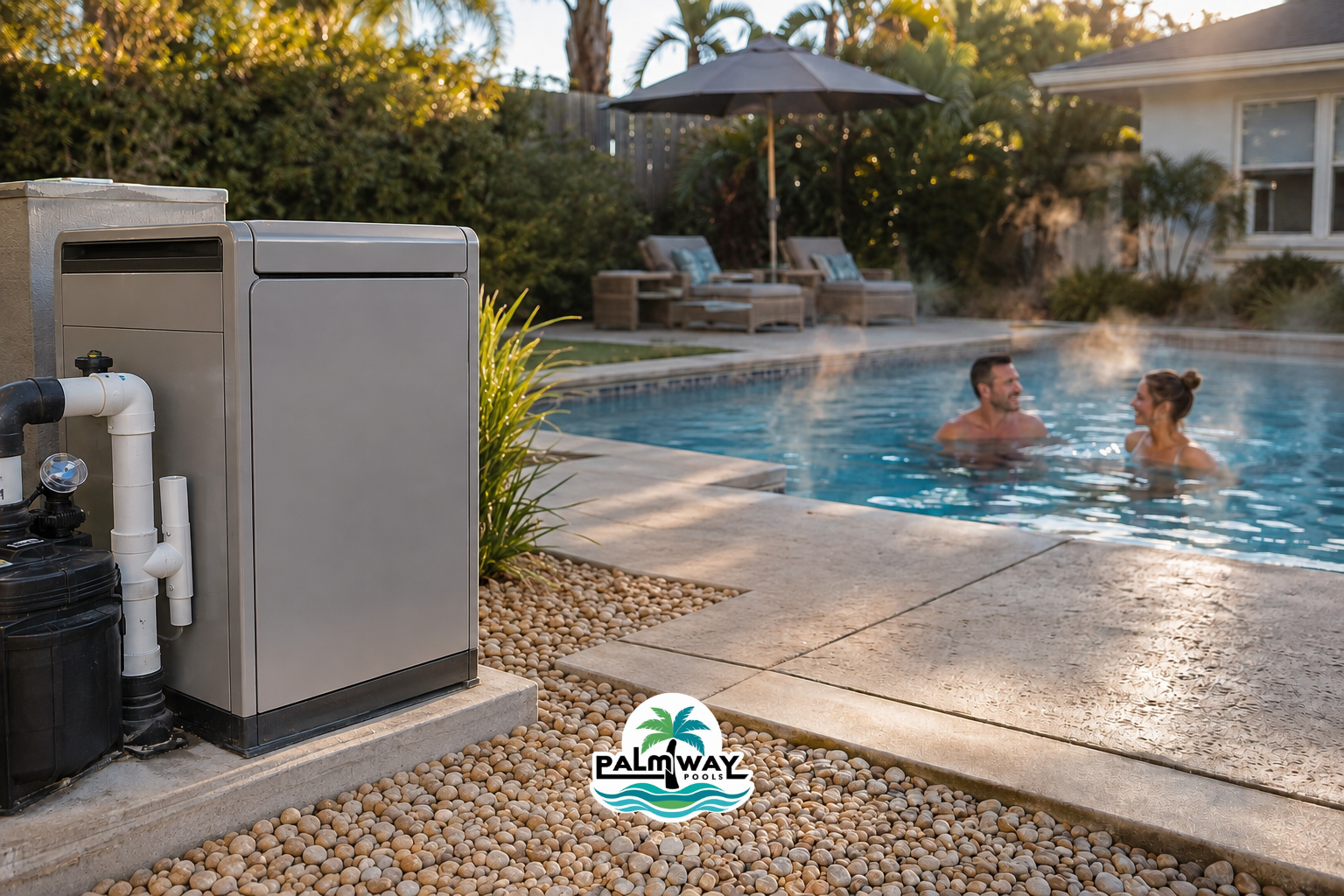
The biggest perk of pool heater maintenance? More pool time! A heater that fires up quickly, warms evenly, and holds temperature lets you swim in the evenings, on breezy days, and during cooler months. This flexibility is a real win for families, entertainers, or anyone who wants to make the most of their backyard.
When you neglect your heater, even small issues can make swimming less fun. A clogged filter, dirty burner, weak water flow, or inaccurate thermostat can all keep the heater from reaching the temperature you want. Often, the pool is fine, but the heater becomes the weak link. That’s why maintenance isn’t just about fixing breakdowns; it’s about keeping things comfy.
It cuts down on energy waste and costs.
A well-kept heater uses less energy to get the job done. Dirty parts, mineral buildup, poor ignition, and restricted flow make the system work harder and run longer. Over time, that extra strain can bump up utility bills and wear out expensive parts faster. The ENERGY STAR program highlights that efficiency improvements in pool gear can save you money, and the same goes for heating systems when maintained right.
This is why many pool owners mix heater care with broader equipment attention like pool equipment repairs and upgrades. When your pump, filter, and heater all work towards the same goal, you get smoother circulation and more predictable heating. This coordination matters because heaters don’t work alone; they rely on clean water moving at the right flow rate through a healthy system.
Common Pool Heater Problems That Maintenance Can Prevent
Weak or uneven heating
A common gripe is a heater that runs but doesn’t deliver steady warmth. This often happens when flow is restricted, sensors are dirty, or scale builds up inside the unit. Sometimes, the heater might cycle on and off too fast because it’s getting confusing temperature readings. Regular checks can catch these issues before you start thinking the heater’s a lost cause.
Maintenance can also uncover bigger system problems. For instance, if your pump repair is overdue, reduced circulation might be the real reason hot water isn’t moving through the pool evenly. In that case, the heater looks like the problem when it’s really weak water flow. Preventive care makes troubleshooting quicker and more accurate.
Scale buildup and corrosion
In Florida and other spots with mineral-rich water, scale can form inside heating parts and cut efficiency. That buildup acts like insulation, making it harder for heat to transfer. Corrosion is another worry, especially if chemical levels swing too high or too low. A heater exposed to unbalanced water for long periods might end up with leaks, rust, or failing seals.
Good water balance protects the heater as much as it protects the pool surface. Want to know how chemistry affects equipment? Our guide on pool water chemistry explains why pH, alkalinity, and sanitizer levels are important. Balanced water is one of the best ways to dodge pricey heater damage.
Ignition and sensor issues
Gas heaters can run into ignition problems, flame-sensing errors, or airflow blocks that stop the unit from starting right. Electric heat pumps can face sensor failures, control board hiccups, or airflow issues around the unit. These problems often start small and become more obvious during the first cold snap of the season, when the heater has to work harder after sitting unused for a while.
Regular maintenance gives technicians a chance to test startup behavior, inspect connections, and clean sensitive parts before the heater is under pressure. That way, it's less likely you’ll find a problem right before a weekend gathering or holiday swim.
How Heater Maintenance Protects the Rest of Your Pool System
Better circulation means better heating.
A pool heater needs proper water circulation to do its job. If the pump is weak, the filter is dirty, or the plumbing is blocked, the heater can’t transfer heat efficiently. Water might pass too slowly or too quickly, which can trigger safety shutoffs or uneven heating. That’s why heater care works best when paired with reliable circulation and filtration.
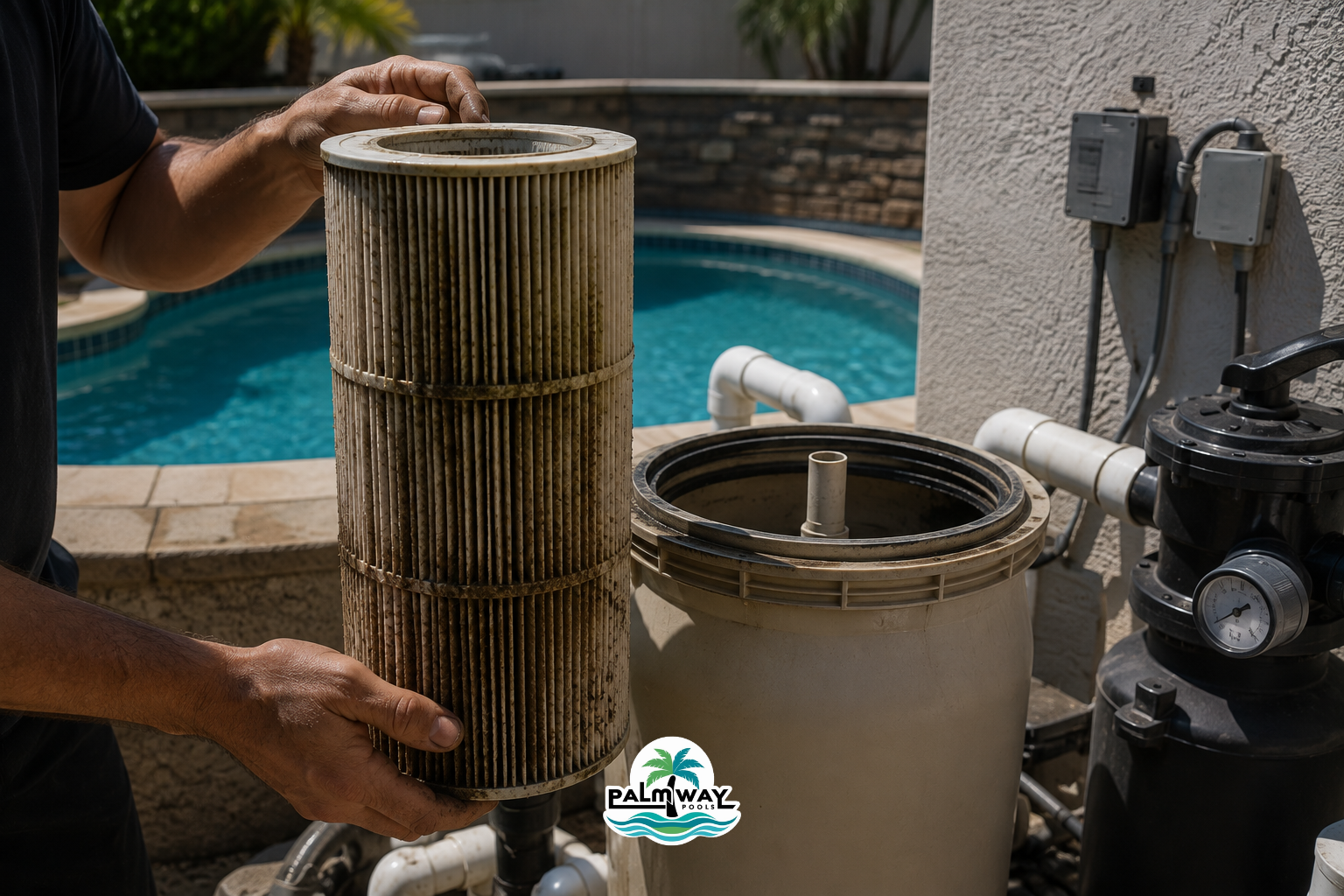
Services like pool filter replacement and pump replacement can really boost your heating system’s performance. A cleaner filter allows water to move at the right rate, while a strong pump helps maintain the pressure and flow the heater needs. When everything’s in sync, the result is faster heating and less stress on the equipment.
Cleaner water keeps heater parts safer.
Heaters are sensitive to dirt, debris, and chemical imbalance. When water quality is poor, particulates and contaminants can move through the system and cause buildup on internal parts. Even small amounts of debris can reduce efficiency over time, especially when they repeatedly enter the unit during normal operation. That’s why consistent cleaning is key to heater protection.
For many pool owners, the best approach is a maintenance plan that includes pool cleaning, equipment inspection, and periodic heater checks. This balanced plan keeps the pool looking great and the heater reliable. It also lowers the chance of needing a costly emergency repair during the months when the heater is most needed.
What Professional Pool Heater Maintenance Includes
Inspection of major components
A thorough heater inspection usually covers burners or heating elements, heat exchangers, wiring, sensors, valves, drains, and controls. Technicians check for wear, corrosion, leaks, loose fittings, and signs that the heater isn’t running right. These inspections matter because many heater problems start with subtle warning signs that are easy to miss during casual use.
Pros also verify whether the heater matches your pool’s needs. If the unit is undersized, aging, or no longer efficient, it might be time to consider a replacement instead of repeated repairs. Sometimes, pool heater replacement can be more cost-effective than constantly fixing a system that struggles every season.
Cleaning and calibration
Maintenance often includes clearing debris from around the heater cabinet, removing buildup from key areas, and checking that controls are set correctly. If the thermostat is off, you might think the heater is underperforming when it’s actually just reading the temperature wrong. Proper calibration helps eliminate guesswork and gives you a more accurate, comfy swimming experience.
Technicians may also test safety switches and ensure that airflow or water movement meets the manufacturer’s specs. That’s important because heaters are built with safety features to prevent overheating or unsafe operation. Regular checks help the heater run more efficiently and with fewer interruptions.
System-wide tips
One perk of professional service is that it looks at the whole pool system, not just the heater. A technician might suggest changes to water balance, circulation, filter condition, or usage habits that improve heater performance. This bigger picture is often what separates short-term fixes from long-term reliability.
If your pool includes a spa, hot tub, or overflow feature, it's a good idea to coordinate care across all water systems. Our spa & hot tub maintenance service follows the same principle: cleaner, well-balanced, well-inspected systems last longer and perform more predictably. This means less hassle and more time enjoying the water.
When to Schedule Pool Heater Maintenance
Before the cooler season kicks in
The best time to service your pool heater is before you need it. Waiting until temperatures drop can lead to delays, especially if parts need to be ordered or if repairs require more than a simple adjustment. A preseason inspection gives you time to handle problems while the pool is still easy to manage and you’re not relying on the heater every day.
In coastal Florida, the cooler season may not feel too dramatic, but evenings can still get cool enough to make a heated pool much more pleasant. By checking the heater early, you boost the chances that it’ll start smoothly when the first cold front hits. This proactive mindset is one of the smartest habits any pool owner can adopt.
After storms, heavy use, or long breaks
Heaters should also get a check-up after storms, long breaks, or times when the pool was heavily used. Storm debris, power issues, and flooding can affect electrical systems and surrounding equipment. Even if the heater looks fine from the outside, internal issues can develop after exposure to moisture or inconsistent operation.
Long idle times can be just as tricky because seals dry out, debris settles inside components, and corrosion might go unnoticed. If your heater hasn’t been used in months, a professional check is a smart idea before you turn it back on. That simple step can prevent a surprise failure at the worst possible time.
DIY Tips for Better Heater Performance Between Service Visits
Keep the area around the heater tidy.
Homeowners can help their heater by keeping the area around it free from leaves, mulch, pool toys, and clutter. Good airflow and easy access make it simpler to inspect the system and reduce the chance that debris will mess with operation. This also makes it easier for a technician to spot problems during a service visit.
If you notice standing water, too much humidity, or signs of rust around the unit, don’t ignore them. These are early signs that something might be affecting the heater enclosure or nearby plumbing. Catching these signs early can prevent bigger issues later.
Check water balance regularly.
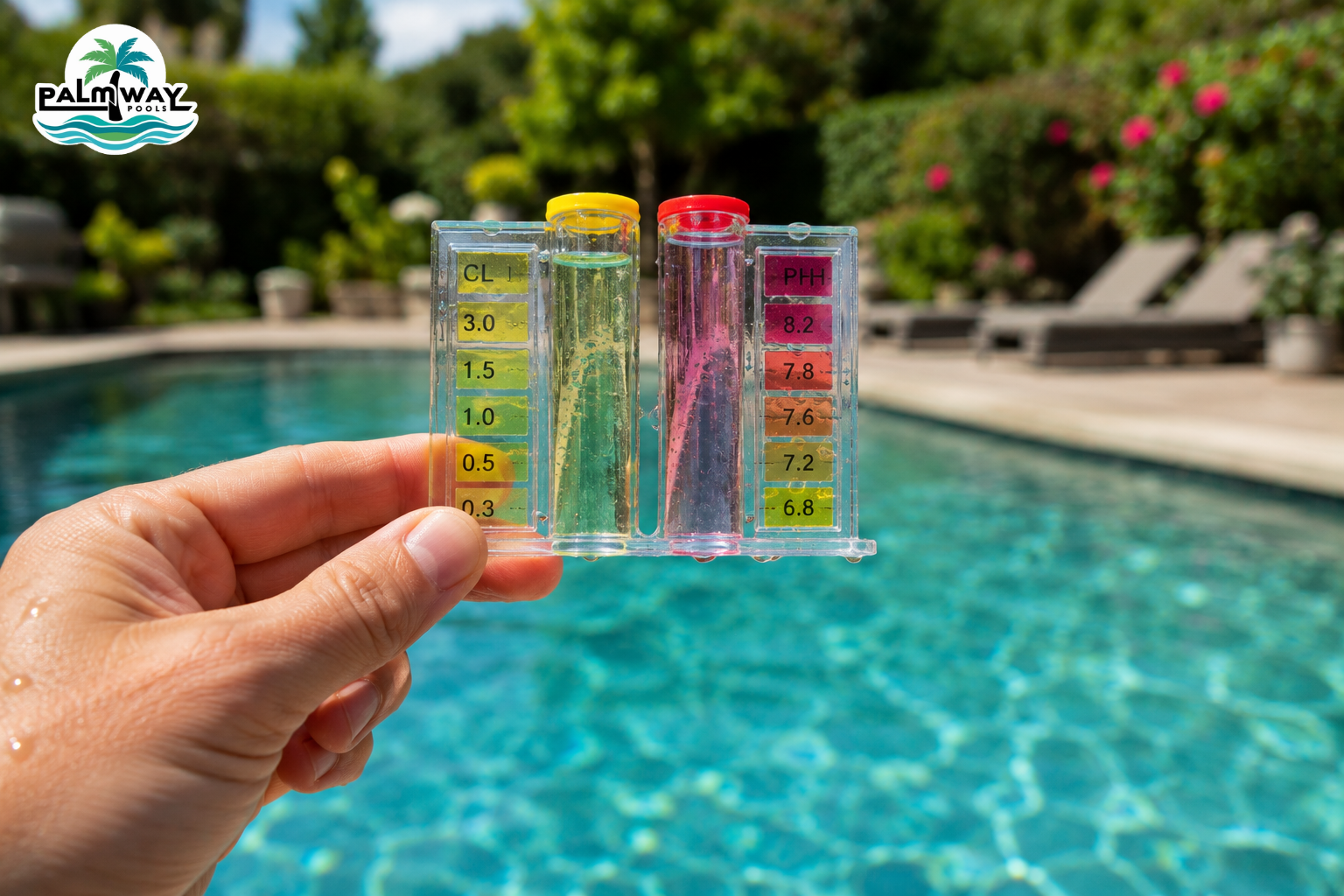
Balanced water is one of the simplest ways to protect heater parts. If sanitizer levels, pH, or alkalinity drift too far off, the heater might become more vulnerable to scale and corrosion. Regular water testing also helps prevent the conditions that make the heater work harder than necessary.
If you’re not sure whether your water quality is helping or hurting your equipment, our article on what your pool water can tell you about your pool's health is a useful starting point. It explains how small water changes can signal bigger system issues, including heater stress.
Watch for warning signs.
Common warning signs include longer heating times, strange noises, inconsistent water temp, error messages, or a heater that shuts off unexpectedly. Don’t brush these symptoms off as minor annoyances if they happen repeatedly. They’re often early signs that a professional inspection is needed.
Homeowners who pay attention to these signals usually spend less on repairs over time. That’s because small issues can often be fixed before they damage the heat exchanger, controls, or other pricey parts. In short, awareness saves money.
When Repair Is Better Than Replacement
Signs the heater is still worth fixing
If your heater is relatively new, has had few repairs, and the issue is isolated, repair is often the best choice. Problems like dirty sensors, a worn pressure switch, or a minor leak can frequently be fixed without replacing the entire system. A technician can help determine whether the unit still has strong long-term value.
Repair makes the most sense when the heater’s core structure is sound, and the cost is reasonable compared with replacement. That’s why detailed diagnostics matter. A careful assessment can save you from replacing a unit that still has plenty of life left.
Signs replacement may be the smarter move.
If the heater is old, inefficient, breaking down a lot, or struggling with your pool size, replacement might be the better financial choice. Older systems often use more energy and need more service visits, which adds up quickly. At a certain point, the cost of ongoing repairs outweighs the benefits of just getting a dependable new unit.
In those cases, heater replacement can bring back comfort while boosting efficiency and reliability. Homeowners who also want better circulation and water quality may benefit from pairing the upgrade with equipment repairs and upgrades. This can create a more balanced system that’s easier to maintain over the long haul.
Frequently Asked Questions About Pool Heater Maintenance
How often should a pool heater be serviced?
Most pool heaters should be inspected at least once a year, ideally before the season when you expect to use them most. If your pool gets frequent use, if the unit is older, or if you have had prior heater issues, more frequent checks may be worthwhile. A yearly tune-up is a practical minimum for protecting performance.
Can poor filter maintenance affect heater performance?
Yes. A dirty or worn filter can reduce water flow and make the heater less effective. If you are unsure whether the filter is contributing to the problem, it may be time to evaluate whether cleaning or filter replacement would improve system performance. Proper filtration and heating go hand in hand.
Is a pool heater worth maintaining if I only use it occasionally?
Absolutely. In many cases, occasional users benefit even more from maintenance because the heater must work properly each time it is needed. If it sits idle for long periods, a surprise failure can waste the few weeks you planned to enjoy the pool. Preventive care helps ensure the heater is ready when you are.
Enjoy Your Pool Longer With Proactive Heater Care
Pool heater maintenance is one of the best ways to extend your swim season, cut energy waste, and avoid frustrating breakdowns. When the heater is clean, calibrated, and supported by a healthy pool system, it performs better and lasts longer. That means more comfy evenings, fewer repair surprises, and more value from your backyard investment.
For homeowners who want reliable comfort without the hassle, the best strategy is to combine heater care with regular pool service, water balance checks, and attention to circulation and filtration. If you’re ready to make your pool easier to enjoy for more of the year, Palmway Pools can help with professional maintenance tailored to your system. To learn more or schedule service, visit Palmway Pools or call (844) 307-1680 today.